Dear Friends,
As the dawn of a new year approaches, bringing with it the promise of renewal and festive warmth, we at Corporate Accountability and Public Participation Africa (CAPPA) pause to reflect on a year of resilience and bold advocacy. All of this we owe to you for your generous support, time, solidarity, and rock-solid faith in our shared work. Ubuntu captures it better! We are in this together, and because of you, we are unstoppable.
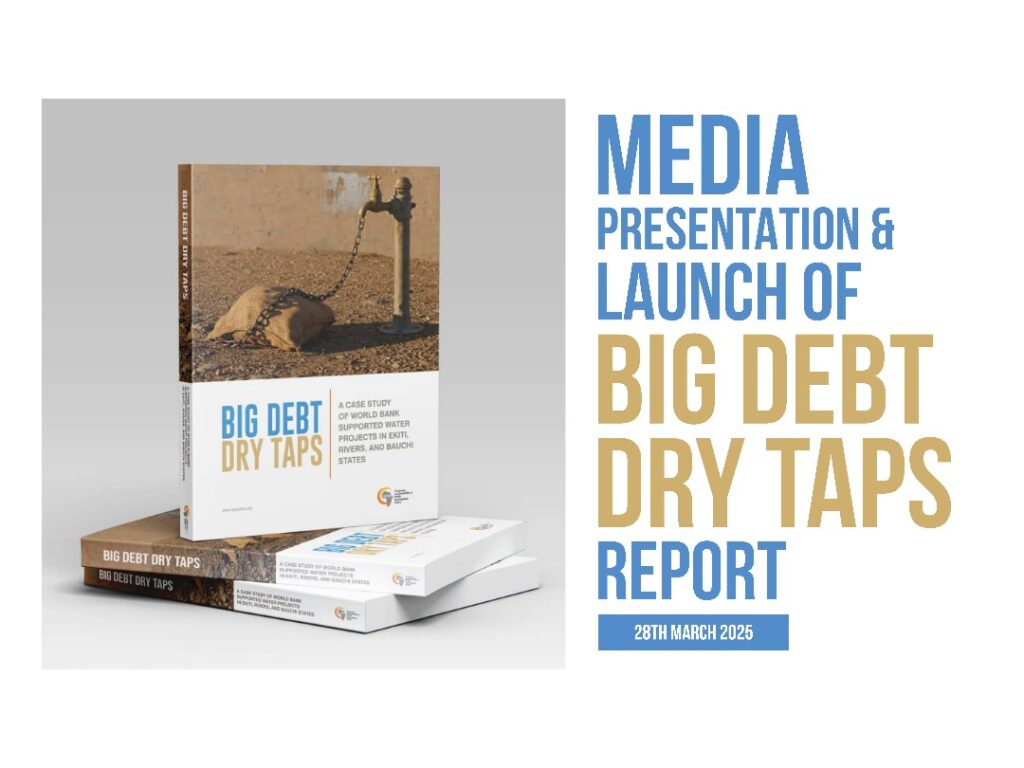
We bolted into 2025 with a determination to uphold water as a human right as it should. Across Nigeria, public water infrastructure is shrinking under the weight of privatisation schemes and loans from international financial institutions like the World Bank, which prioritise cost recovery over accessibility. By the first quarter of the year, our hard-hitting report Big Debt, Big Thirst caused ripples in public discourse, extensively dissecting the failures of the World Bank-driven National Urban Water Sector Reform Programme III (NUWSRP III) in Ekiti, Bauchi, and Rivers States. It revealed how policy conditionalities, weak oversight, and private sector bias have converged to produce systems that neither expanded access nor improved equity, while saddling states with long term financial obligations whose repayment will be extracted from generations yet unborn. The technical language of “reforms”, we showed, had become a euphemism for dispossession, with public water treated as an investment opportunity rather than a social obligation.
Building on this momentum, we resolutely opposed privatisation efforts in Lagos, where successive administrations have sought to transform water into a purely commercial commodity. We challenged opaque processes that sidelined public participation and rejected decisions to transfer public water infrastructure to private operators through public-private partnerships (PPPs) that socialise risks while privatising profits and control. Our position was not oppositional for its own sake. Where the state demonstrated political will, such as increasing budgetary allocations to complete the Adiyan II waterworks, we praised its action as a step towards genuine progress. Continent-wide, we stood in solidarity, uniting with allies from Zimbabwe, Ghana, Kenya, Senegal, South Africa, Togo, and beyond to reject corporate profiteering amid climate-induced water scarcity.
In our public health and food justice work, we confronted the predatory tactics of profit-driven conglomerates head-on. In May, we dropped another eye-opener titled Junk on Our Plates. This exposé dug into how ultra-processed foods—loaded with excessive sugar, salt, and trans fats—are pushed through false and manipulative advertising. We gathered evidence from Lagos, Abuja, Kano, Rivers, Enugu, Oyo, and Kaduna states, uncovering how these companies zero in on low-income neighborhoods and kids, using deceptive labels that hide health risks, images tied to local culture to build trust, celebrity plugs to make junk seem cool, and even hijacking religious celebrations to sneak in promotions. All these unethical tactics are fueling Nigeria’s growing health crisis. Non-communicable diseases like diabetes, heart problems and high blood pressure are silently killing and disabling far too many of us.

Armed with this solid evidence, we fought harder for healthy food policies and tighter regulatory control of the market. We successfully defended the tax on sugar-sweetened beverages and pushed lawmakers to consider raising it so it can have an even bigger positive effect on people’s health. We also cheered big wins like the rollout of national guidelines to cut down salt in foods and the setting up of an expert and technical working group to lead the design and adoption of front-of-pack labels in Nigeria.
When the industry pushed back, calling our advocacy and research “false”, we hit back with destabilising evidence. We reminded them that while they worry about their “fat pockets,” we worry about a “sick population.” This same resolve carried over to our tobacco efforts. We remained vigilant and kept pressing regulatory authorities to do more in shielding public health from big tobacco’s manipulative grip. Our 2025 Tobacco Industry Interference Index carefully documented the industry’s sneaky tactics and gave the public deeper insight into corporate tobacco’s schemes. We also had a proud moment to celebrate. In Ado Ekiti, the capital of Ekiti State, our consistent pressure finally paid off when the local government declared the city smoke-free.
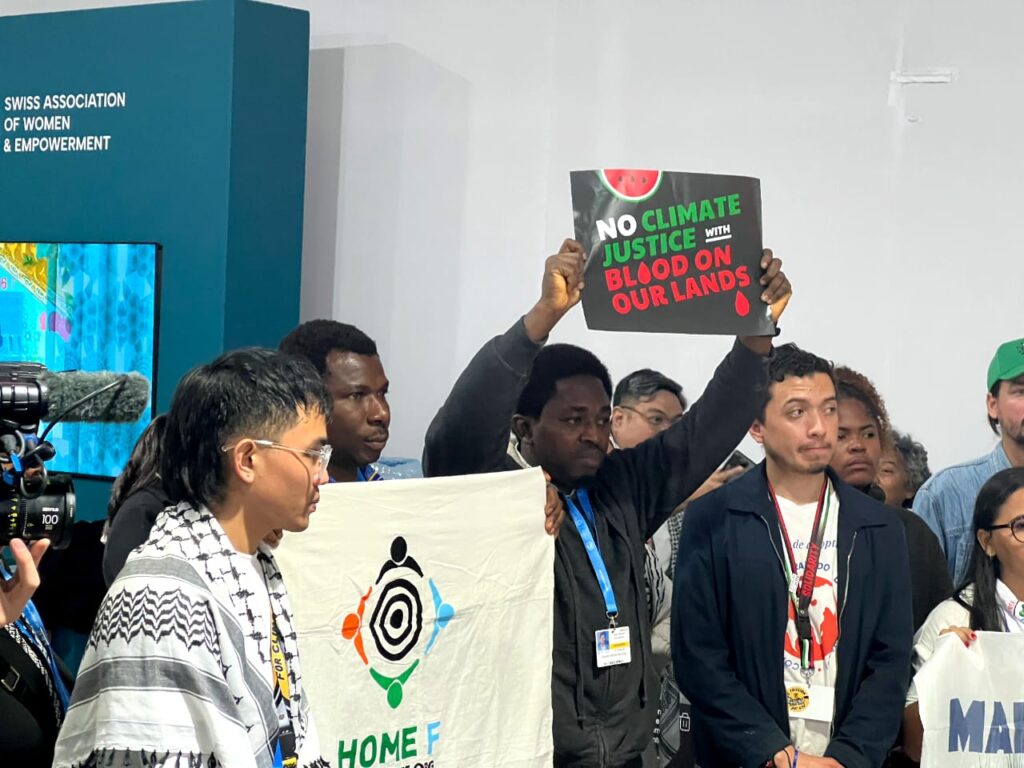
On climate issues, we helped shape Nigeria’s updated Nationally Determined Contributions (NDC 3.0) by calling for community-led, low-carbon solutions. At COP30 in Belém, Brazil, we stood firm in rejecting market-based schemes that burden the Global South. We marked the 30th anniversary of Ken Saro-Wiwa’s execution with events that honoured his fight against environmental injustice. Our documentary Africa’s Cooked and Sinking Cities gained festival nominations and international notice as a leading climate film on the eighth anniversary of Hurricane Maria.
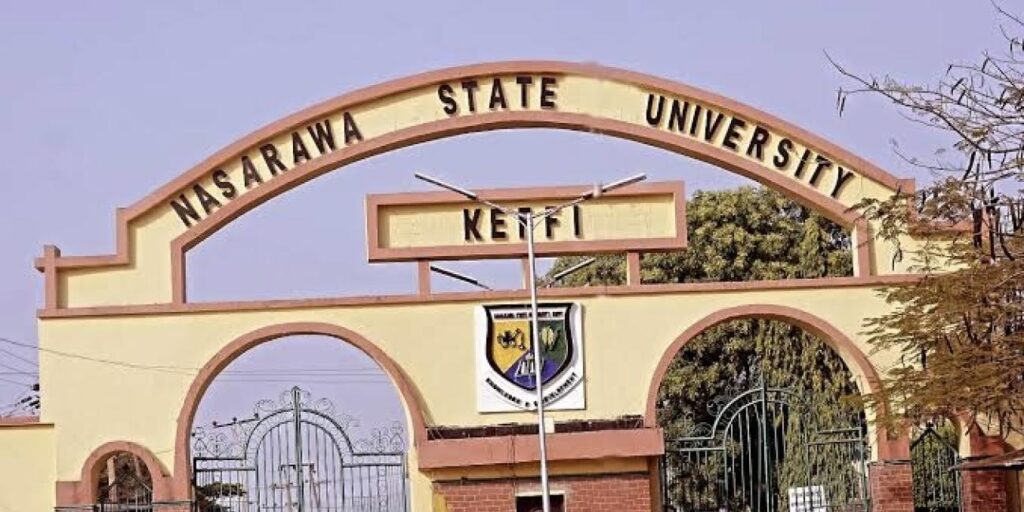
Defending civic space and public participation, we championed education rights with fierce determination. In Nasarawa State University, our intervention secured the reinstatement of students rusticated for peacefully protesting fee hikes. At the University of Ibadan, where student activists face suspension and intimidation, CAPPA has escalated the struggle to the courts, defending the principle that education must not become a site of authoritarian discipline. We are confident of victory in the months ahead.
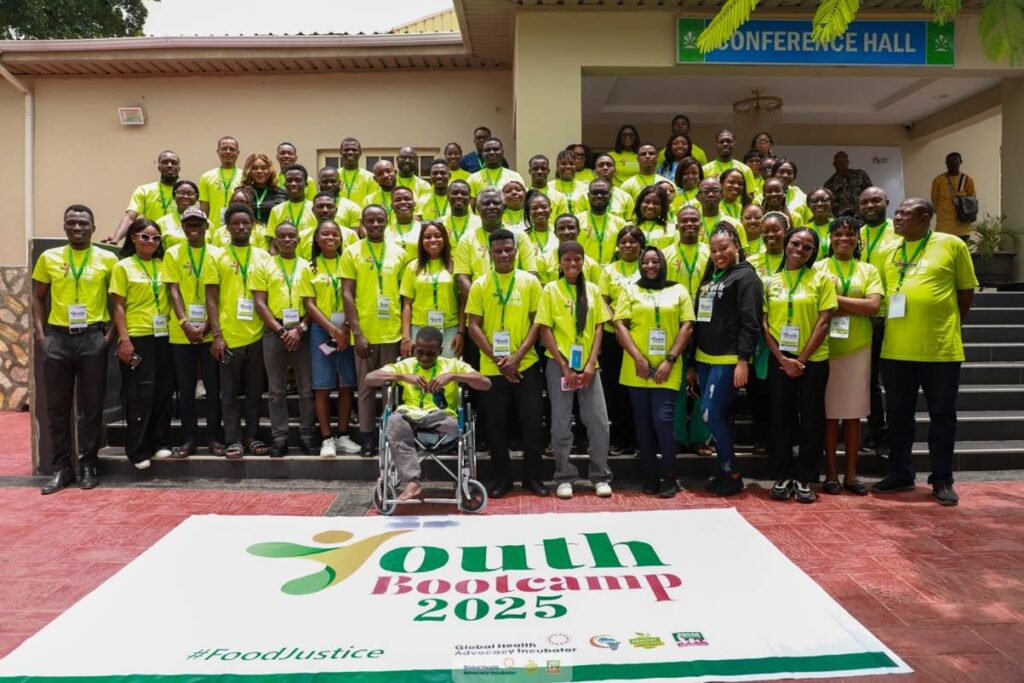
The year’s crowning jewel for us was our inaugural Youth Food Justice Boot Camp. For five intensive days, we brought together 50 passionate young leaders from every one of Nigeria’s six geopolitical zones. We equipped them with practical skills: how to shape policy through advocacy, how to run effective campaigns and communication, the essentials of activism and self-care, digital and offline security for those on the front lines, and hands-on healthy food preparation. This first-of-its-kind initiative has ignited a vibrant youth network now actively influencing public health agendas and healthier choices in communities nationwide.
Capping the year, we welcomed renowned civil rights leader Auwal Musa Rafsanjani as our new Advisory Board Chairman, strengthening our pan-African drive while warning against reckless solid minerals extraction.
Throughout 2025, our thought leadership provoked vital conversations through incisive pieces like. Read some of our pieces here: “When Beverage Companies Pretend to Save the Earth,” “Vaping in Nigeria: Green Outside, Deadly Within,” “No Sweet Rape,” “Wanted: Blueprint For Nigeria’s Waste Management Crisis,” and “Lagos ‘Shit Water’ Boreholes, Evidence of Government Failure”. Again, none of these achievements have been possible without you—our dedicated partners, communities, media allies, volunteers, and funders. Your trust, collaboration, and generosity have turned challenges into triumphs. Our wins are yours; our power is shared.
As we embrace the holidays and step into 2026, we say, thank you!
Merry Christmas and a Prosperous New Year!
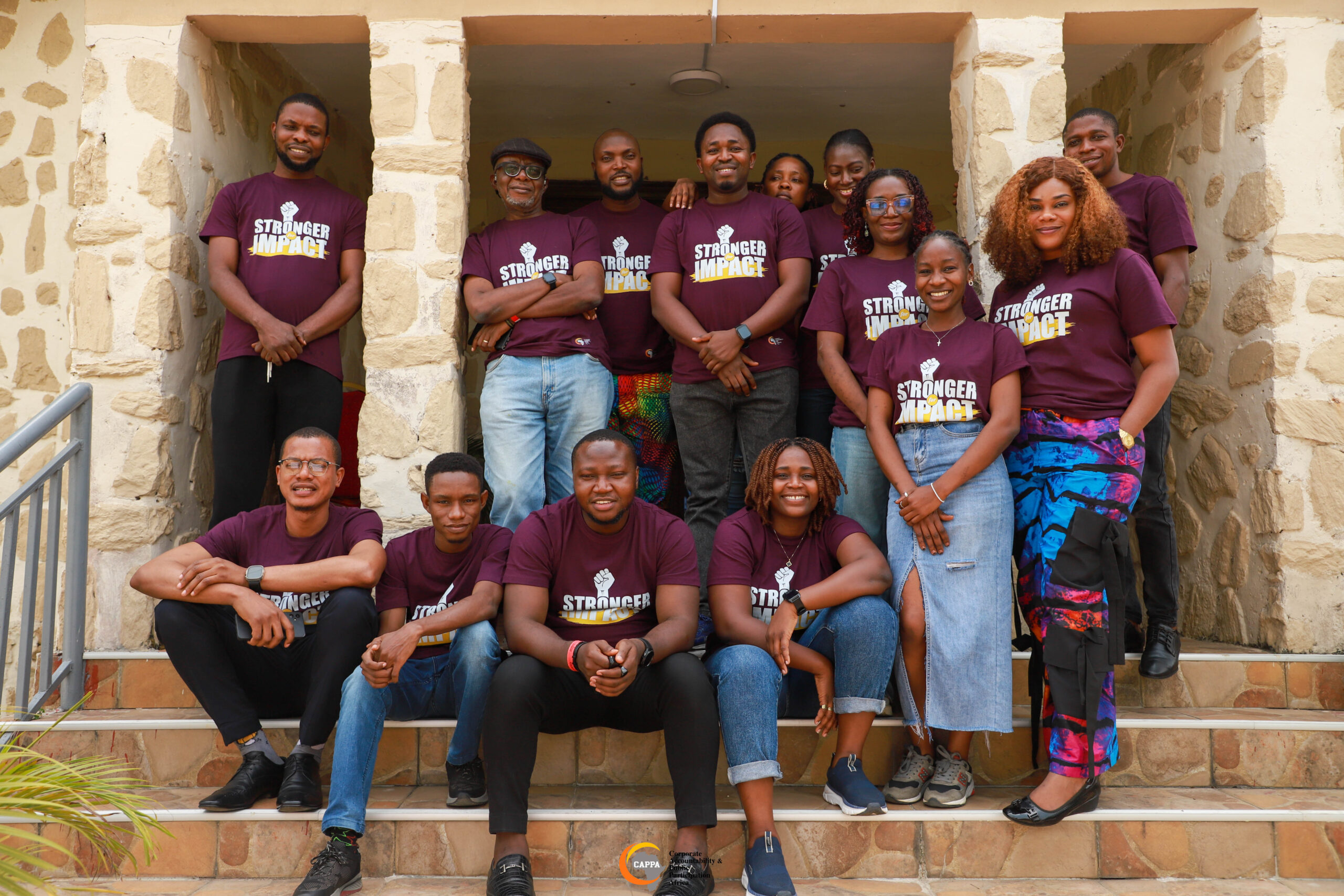
With gratitude and solidarity, The CAPPA Team