Corporate Accountability and Public Participation Africa (CAPPA) has released a new report titled “Junk On Our Plates,”exposing the widespread use of misleading marketing tactics by food and beverage companies in Nigeria. The report was launched at CAPPA’s headquarters in Ogba, Lagos, on May 7, 2025, during a public media presentation attended by journalists, public health advocates, and youth volunteers.
The report details findings from an offline monitoring exercise conducted between April and July 2024 in seven states—Abuja, Lagos, Imo, Osun, Kaduna, Niger, and Nasarawa. It reveals how major food and beverage companies aggressively market unhealthy products high in sugar, salt, and trans fats using deceptive labeling, cultural imagery, and strategic placement in low-income and youth-centered environments.
In his opening remarks, CAPPA’s Executive Director, Akinbode Oluwafemi, noted that non-communicable diseases (NCDs) such as diabetes, obesity, and hypertension now account for over 30 percent of annual deaths in Nigeria. He blamed the rise in NCDs partly on misleading health claims and marketing tactics by the food industry, which often target children and local communities with little regulatory protection. Oluwafemi acknowledged policy actions like the introduction of the Sugar-Sweetened Beverages (SSB) Tax and recent sodium reduction guidelines but stated that enforcement remains weak. He called for urgent and effective regulatory reforms, including mandatory front-of-pack warning labels and stronger restrictions on marketing around schools.

Speaking at the event, CAPPA’s Assistant Executive Director, Zikora Ibeh, criticised the influence of large food corporations on Nigerian dietary choices, saying consumers have been “captured through taste” and aggressive advertising campaigns that prioritise profit over public health. She commended the media for their continued support of advocacy efforts and emphasised the importance of exposing these deceptive tactics that enable the marketing of unhealthy diets.

Humphrey Ukeaja, CAPPA’s Industry Monitoring Officer, presented the report’s methodology and findings, explaining that data was collected by trained volunteers from CAPPA’s Healthy Food Policy Youth Vanguard in 54 communities across the seven states. He noted that cultural elements were widely exploited in marketing campaigns, including the use of Igbo and Hausa slogans, local celebrities, and religious anniversaries like Christmas and Ramadan to promote junk food. In some cases, sugary products were falsely advertised as healthy.

Adebayo Adenike, a CAPPA Digital Media Volunteer, shared her experience as part of the data collection team. She described the direct exposure to aggressive advertising tactics used in underserved communities and the absence of consumer education about the health risks associated with these products.
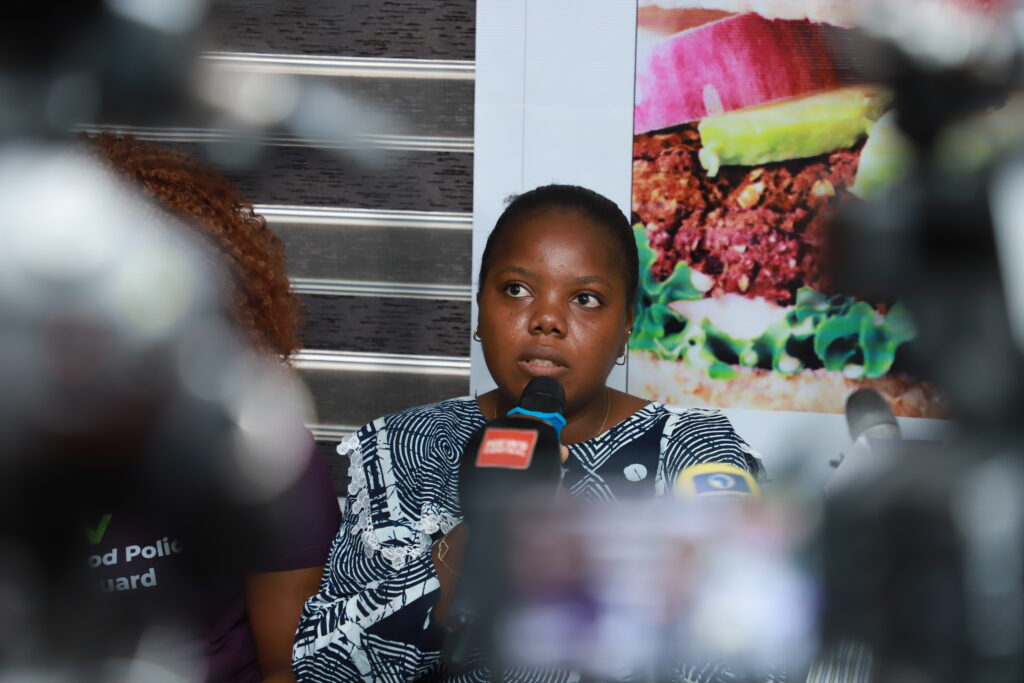
Presenting the report’s recommendations, Opeyemi Ibitoye, CAPPA’s SSB Tax Programme Officer, urged the government to increase the SSB tax from its current rate of N10 to N130 per liter and enforce mandatory sodium limits in seasonings and processed foods. Other proposals included banning unhealthy food marketing near schools, introducing strict front-of-pack warning labels, and preventing corporate interference in food policy development.

During the Q&A session, some media practitioners raised concerns about media reliance on food industry advertising and the potential conflicts this may pose. Oluwafemi responded by referencing the tobacco control experience, arguing that industries can survive despite regulatory restrictions.
Another participant asked whether such campaigns could negatively affect the food sector, but CAPPA maintained that the industry remains profitable and capable of adapting to public health standards.
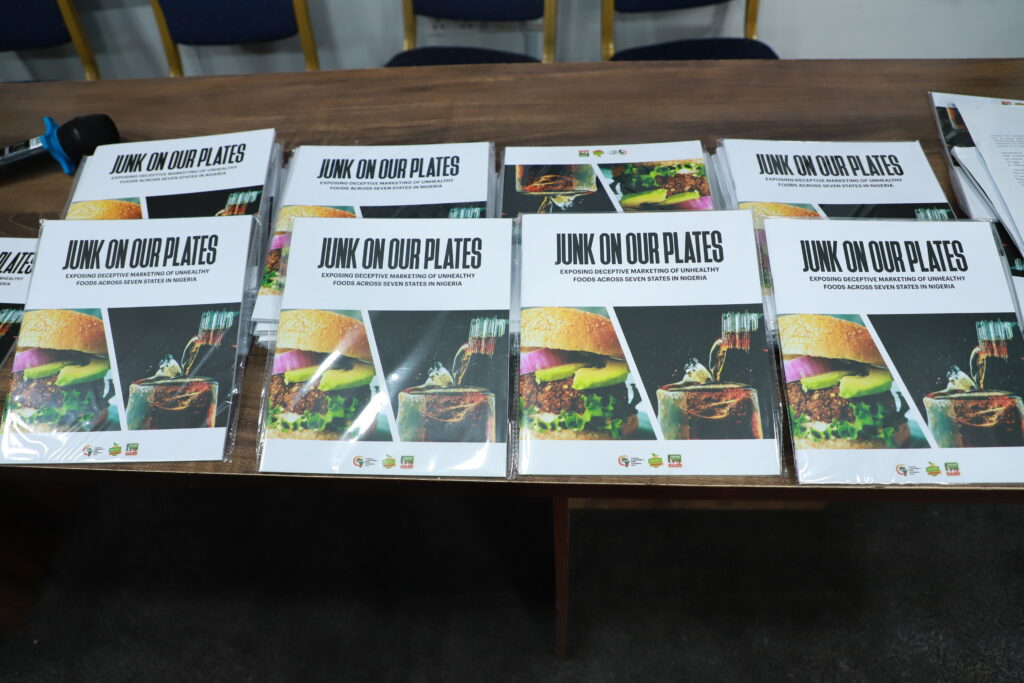
CAPPA concluded the event by urging the media to amplify the report’s findings and advocating for a collective push toward a healthier food environment in Nigeria.