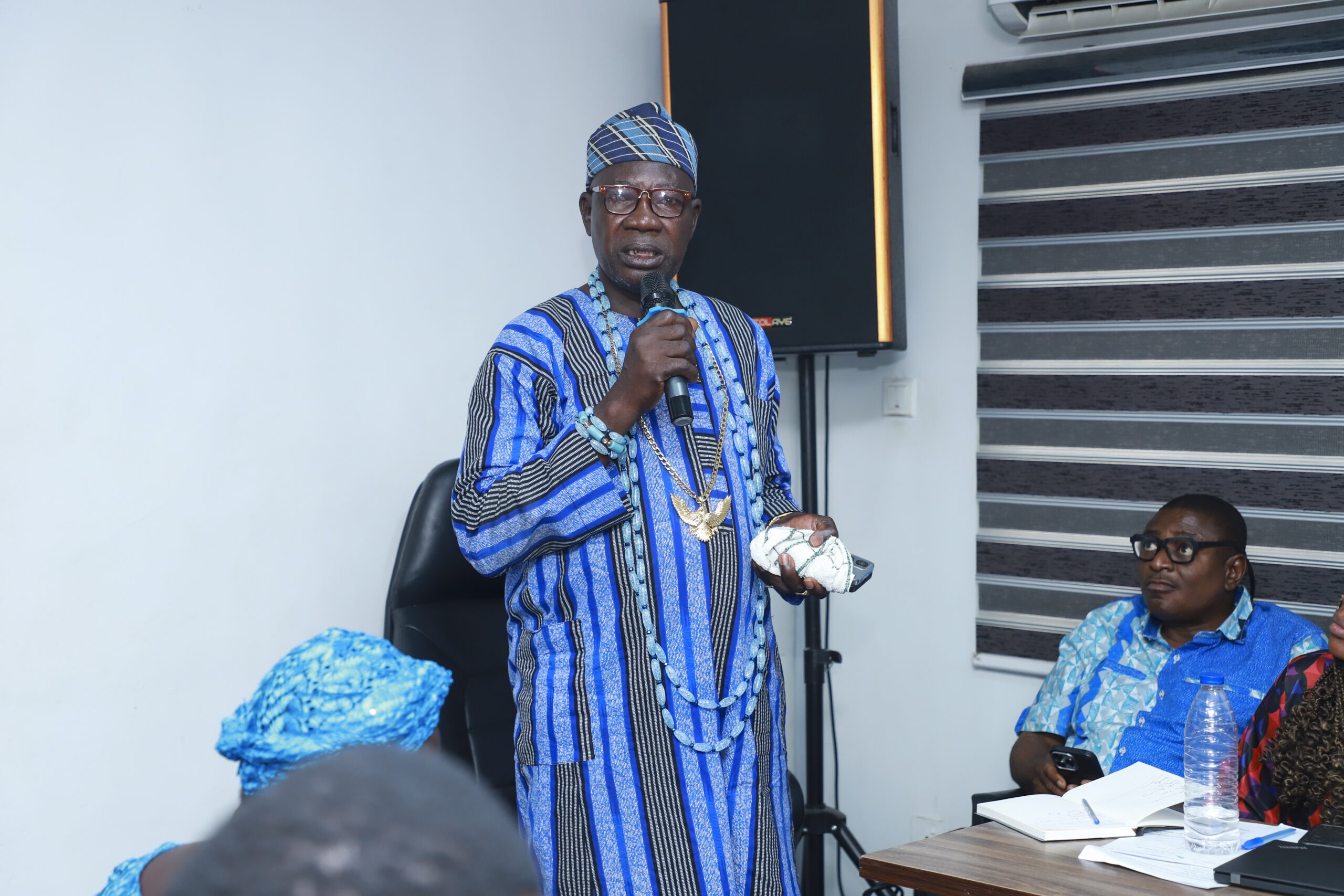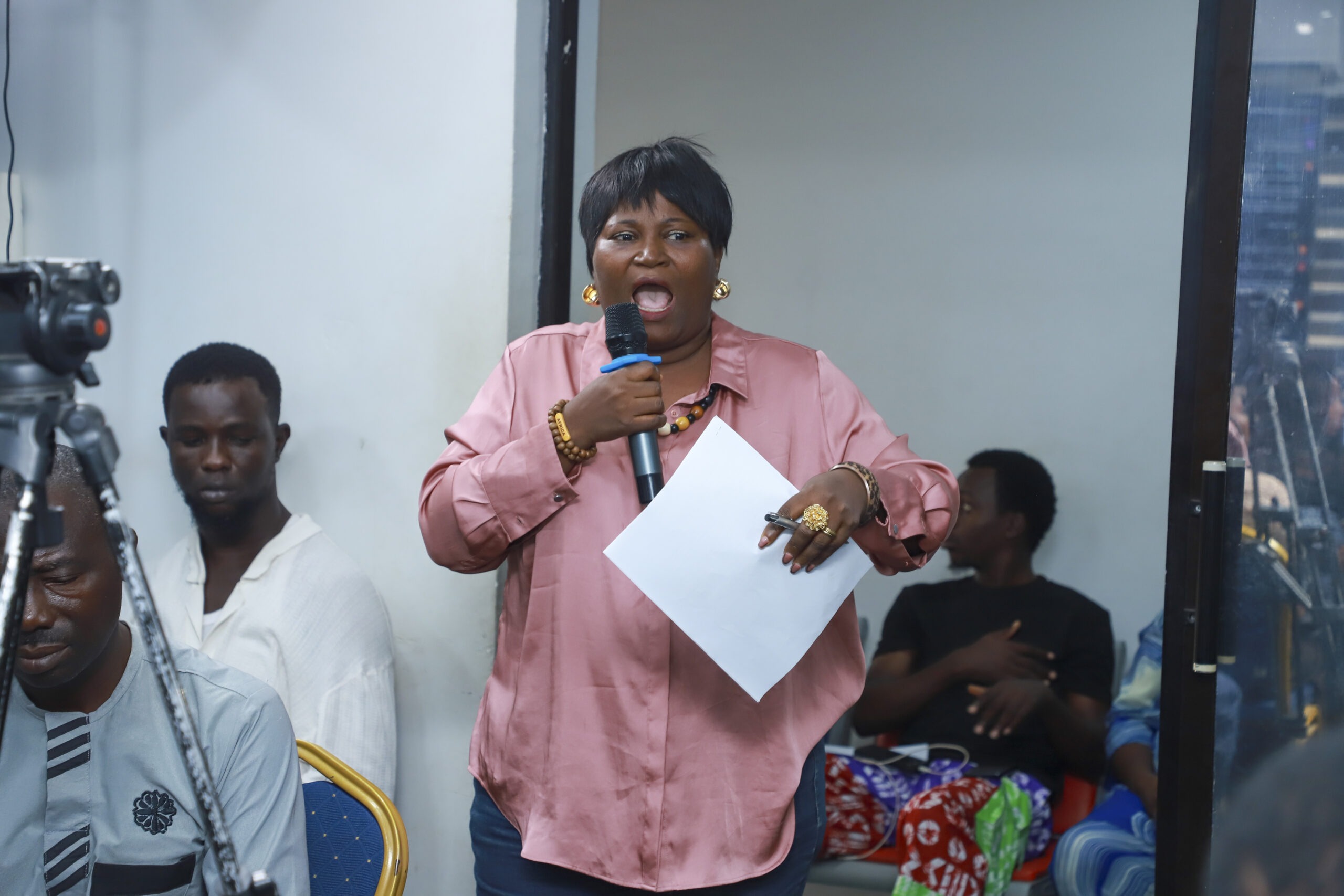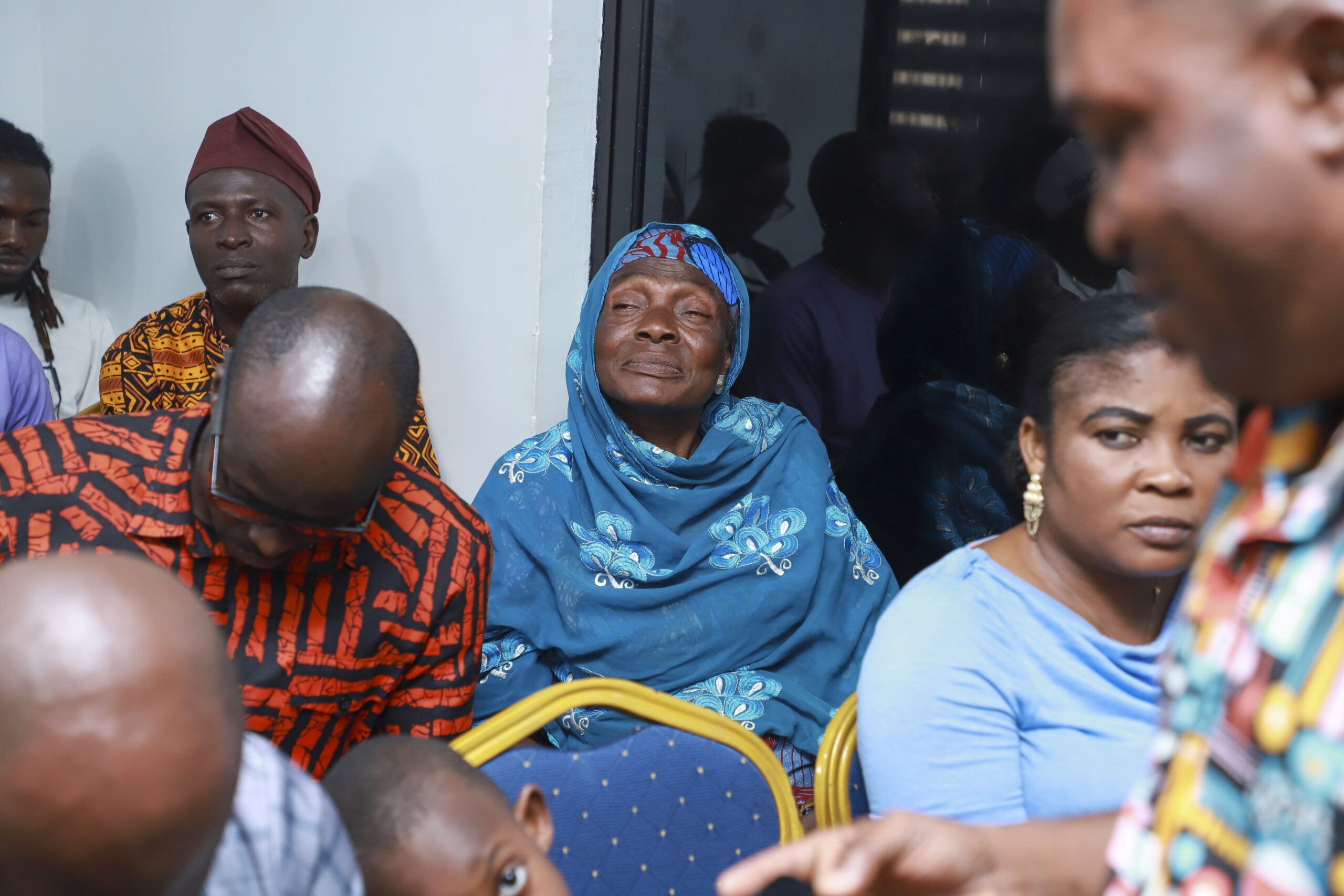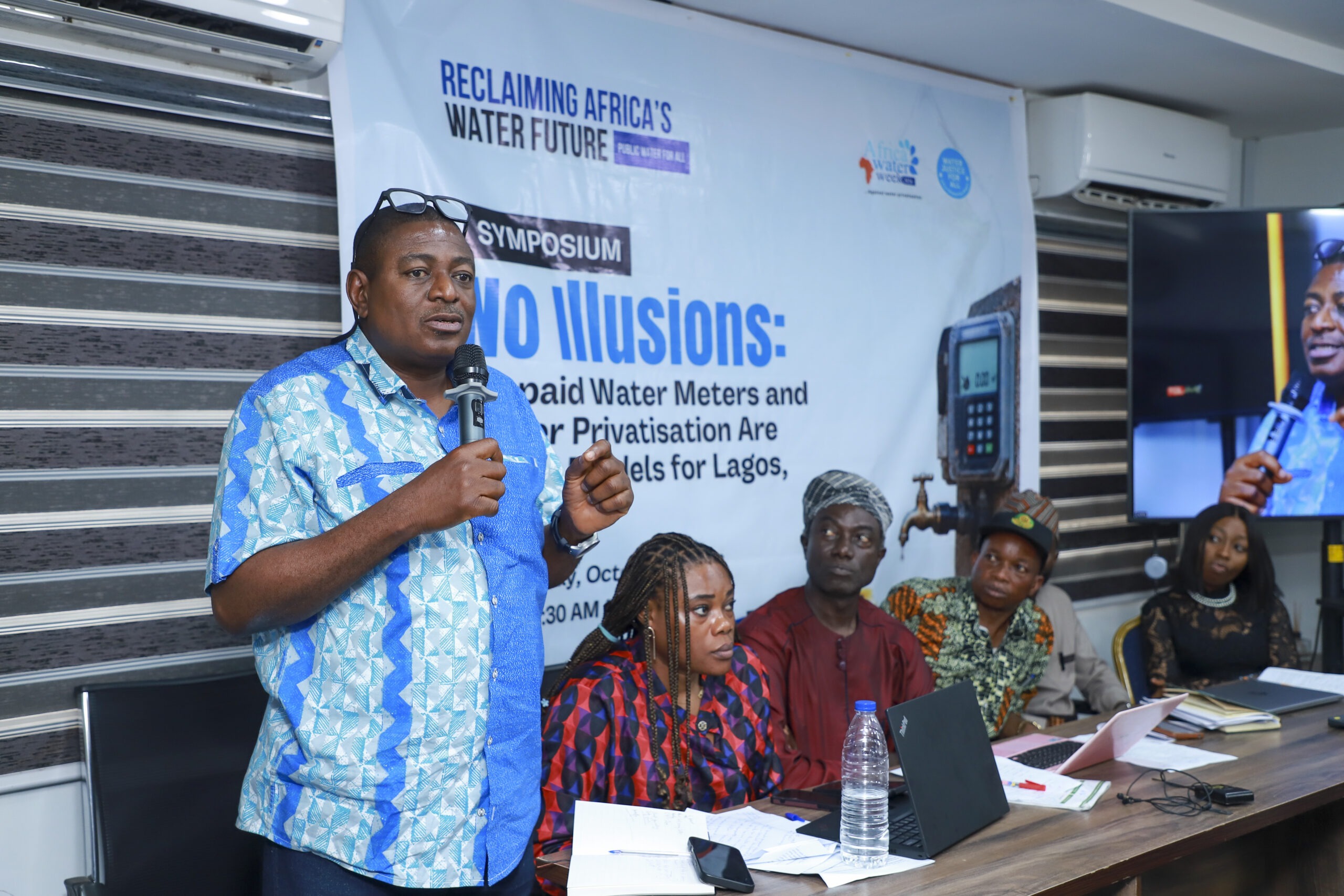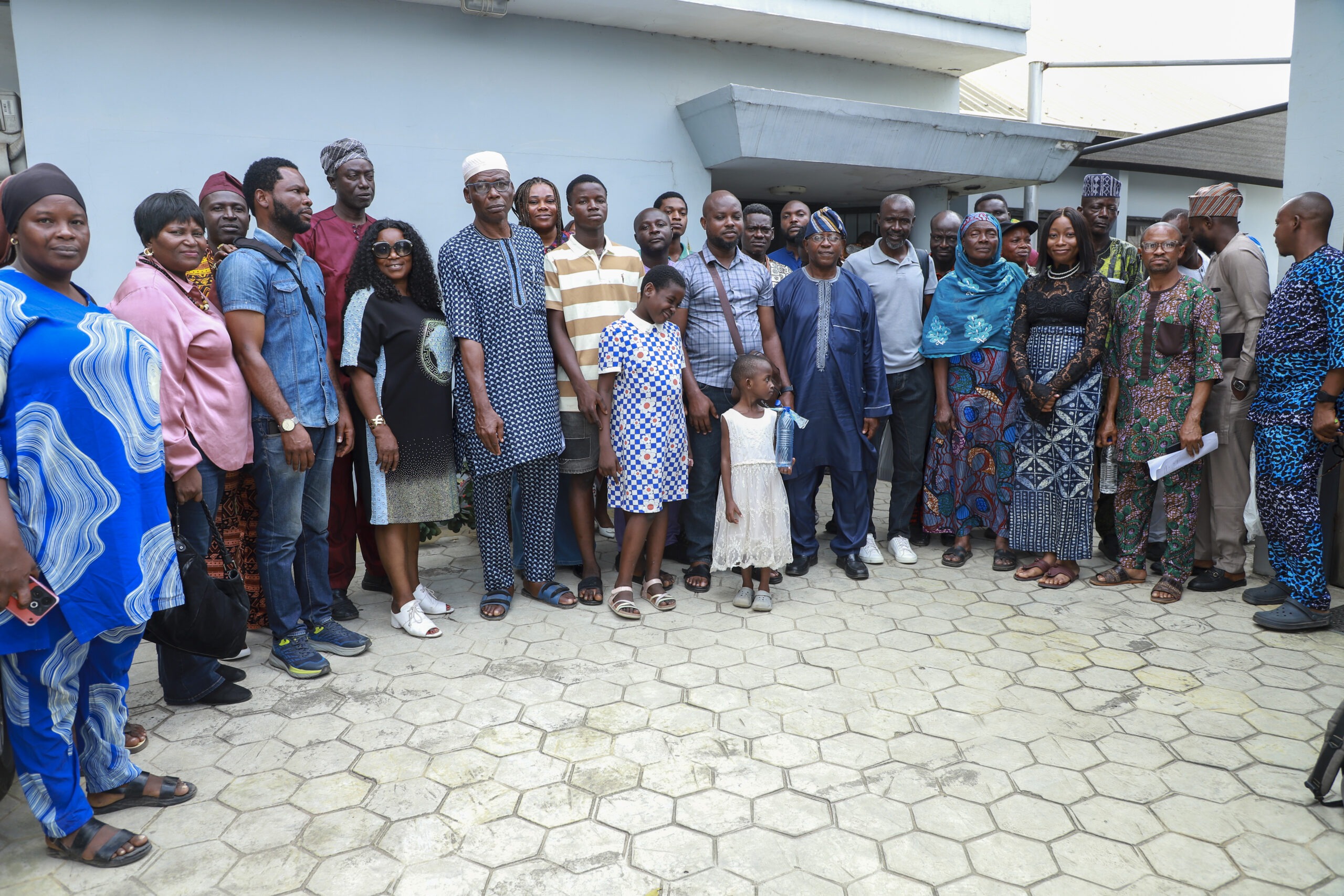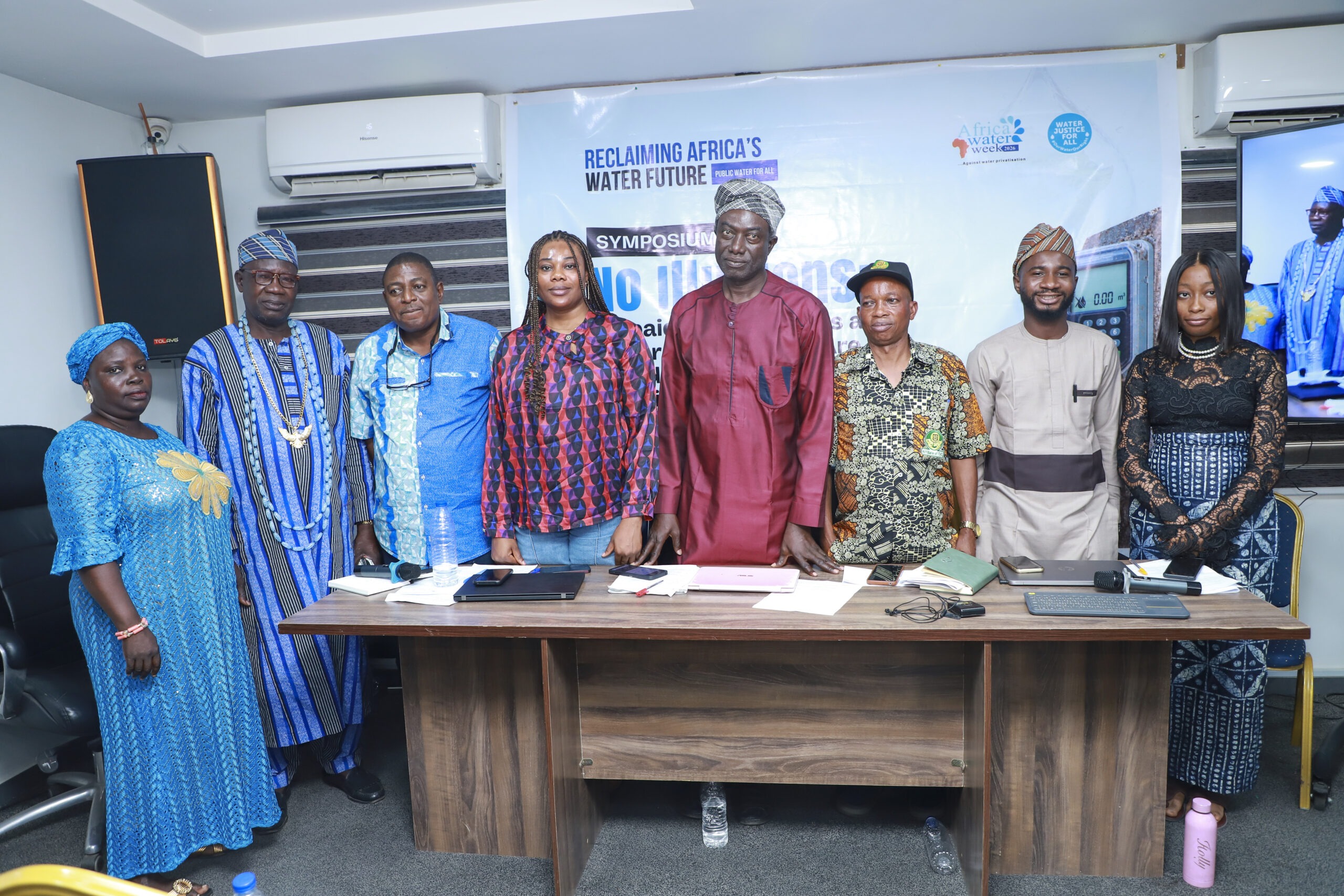
On 16 October 2026, Corporate Accountability and Public Participation Africa (CAPPA) convened a symposium in Ogba, Lagos, as part of the Africa Week of Action Against Water Privatisation. Held under the theme ‘No Illusions: Prepaid Water Meters and Water Privatisation Are Failed Models for Lagos, Nigeria’, the event brought together residents, trade unionists, civil society organisations and journalists to examine the state of public water provision in Lagos. In particular, the meeting interrogated the expansion of prepaid water metering, proposed concessions of public waterworks, and the consequences of both policies for residents and workers.
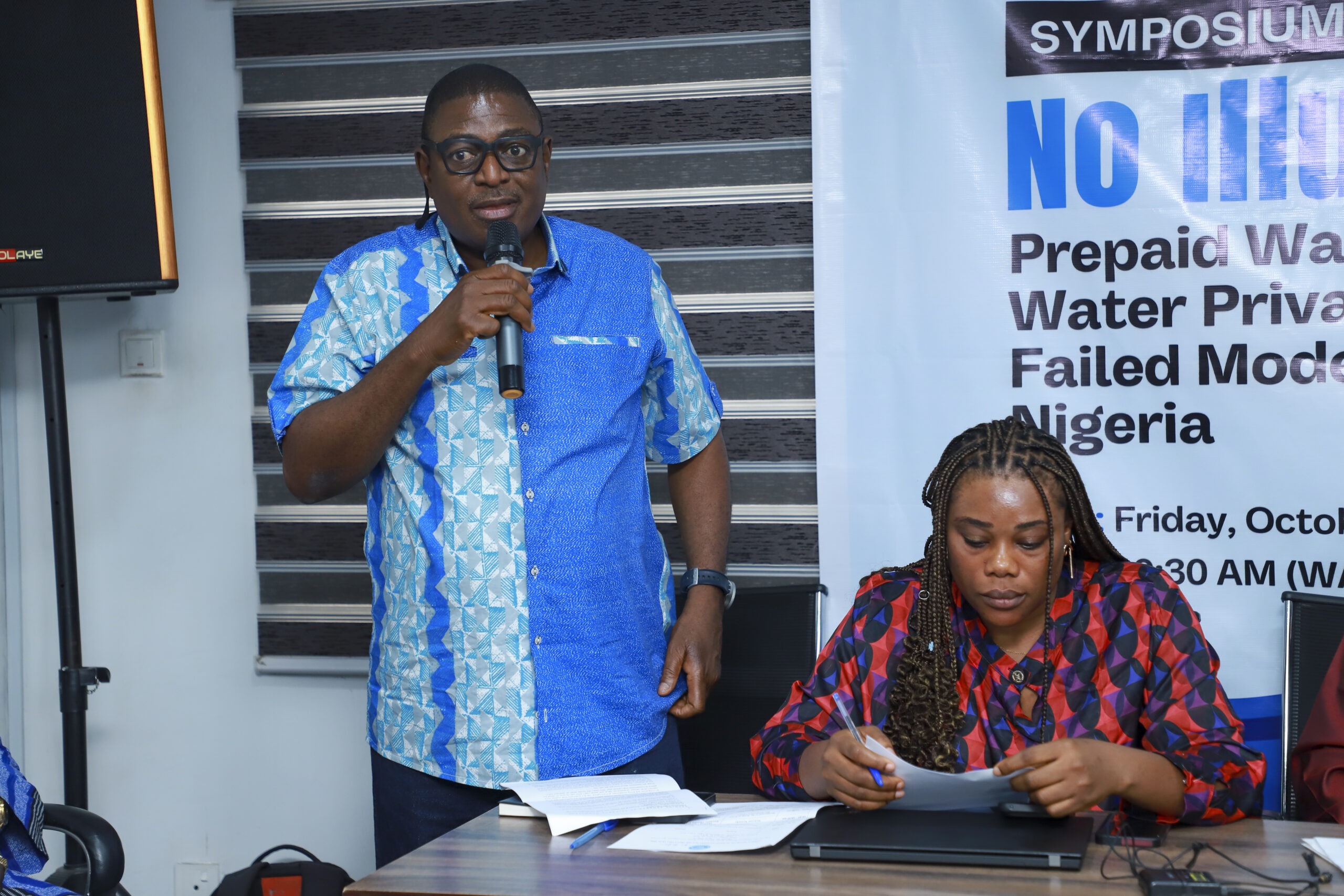
Opening the symposium on behalf of CAPPA and the Our Water Our Right Africa Coalition (OWORAC), CAPPA Executive Director Akinbode Oluwafemi asked why residents who already contribute to public revenue through taxes should have to build and finance their own water supply systems. He called for greater scrutiny of government decisions on water, including what the state has disclosed about its plans and what commitments residents should demand from public institutions.
Providing the background to the symposium, CAPPA Assistant Executive Director Zikora Ibeh reflected on the decline of public water services. She noted that reliable piped water, once a familiar part of daily life for households in Nigeria and elsewhere in Africa, has become a distant memory for many. She attributed the crisis in part to the continued defunding of public services and what she described as the government’s abdication of its responsibilities. Years of underfunding, she said, had left public water institutions without the resources they needed to maintain infrastructure and deliver reliable services. Ibeh welcomed participants and expressed the hope that the discussions would lead to concrete plans for collective action.
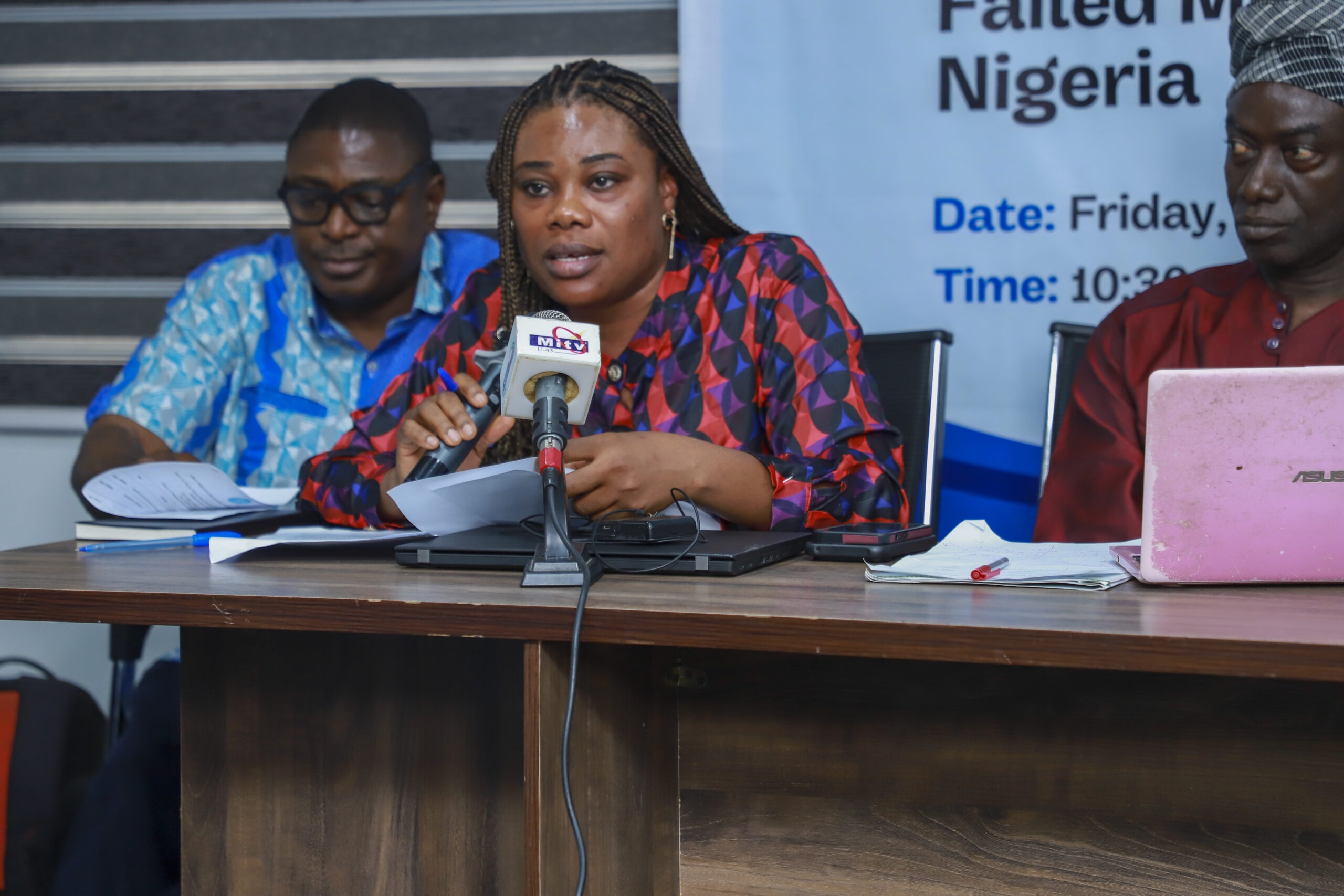

Discussing the effects of prepaid water metering, Holiness Segun-Olufemi, CAPPA’s Programme Officer on Water Campaign, raised concerns about the lack of transparency surrounding the rollout, noting that residents interviewed by CAPPA in parts of Baruwa and Akilo where prepaid meters were in use said they had been given no say in decisions about the programme. Residents also reported that prepaid water credit was expensive and that the public water supply remained unreliable. She highlighted the difficulties facing households in Baruwa, where concerns about groundwater contamination limit the use of wells and boreholes. When public supply falls short, those households have little choice but to buy water from vendors or tankers, even when they cannot verify its source or quality.
Segun-Olufemi questioned how prepaid metering could be presented as a success while residents still struggled to obtain safe, reliable and affordable water. She called for the programme to be reassessed in light of residents’ experiences and urged the government to ensure that every household has access to safe, reliable and affordable public water.
Delivering the lead presentation for the day, Comrade Dagar Tolar of the Movement for Socialist Alternative proposed a Water for All Action Plan, beginning with the rehabilitation of existing public waterworks and a target of bringing them to between 80 and 100 per cent of operational capacity. He questioned how concessions driven by commercial returns would serve households that already struggle to afford water. He also urged residents to organise with unions and civil society groups to press the state for universal access.
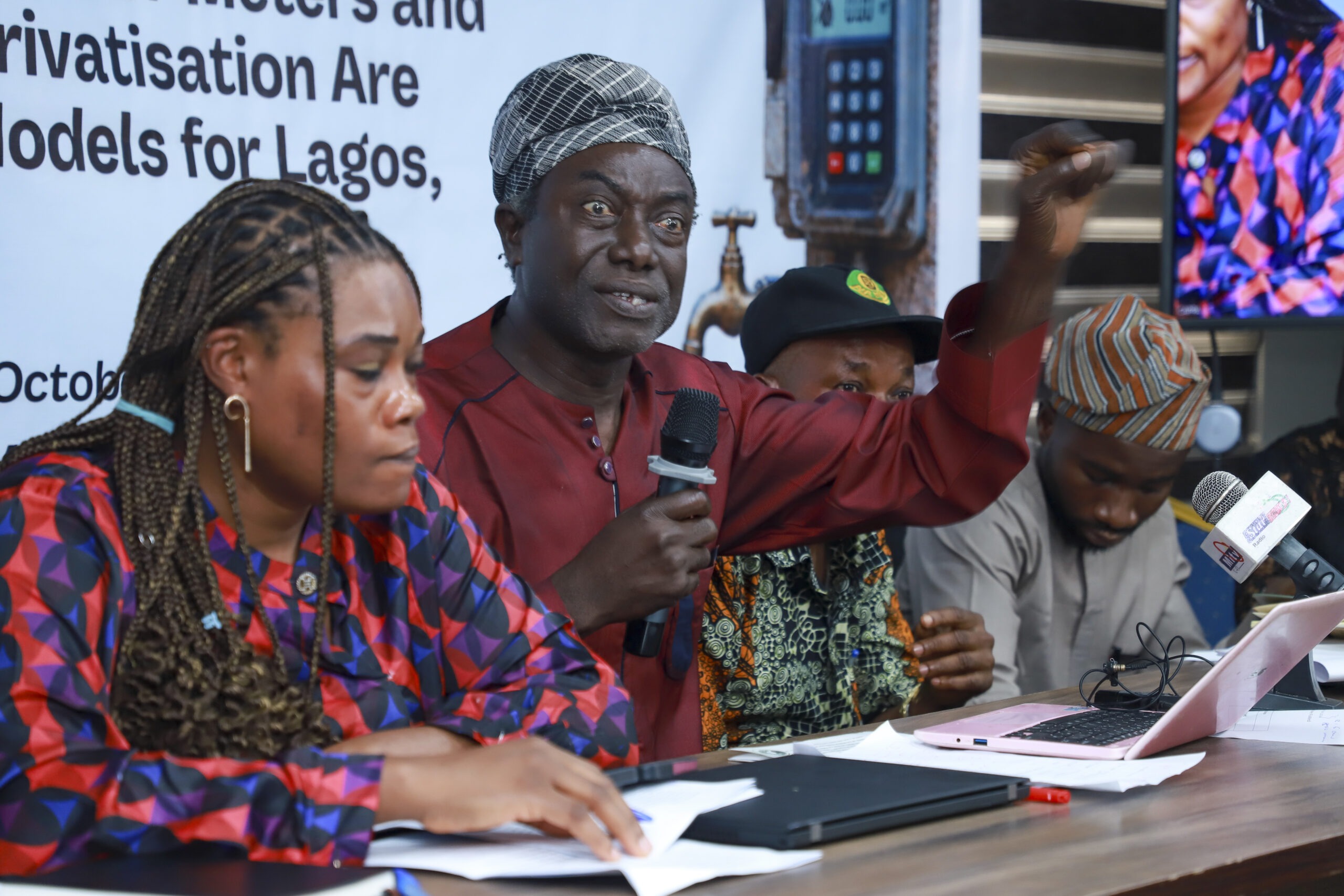
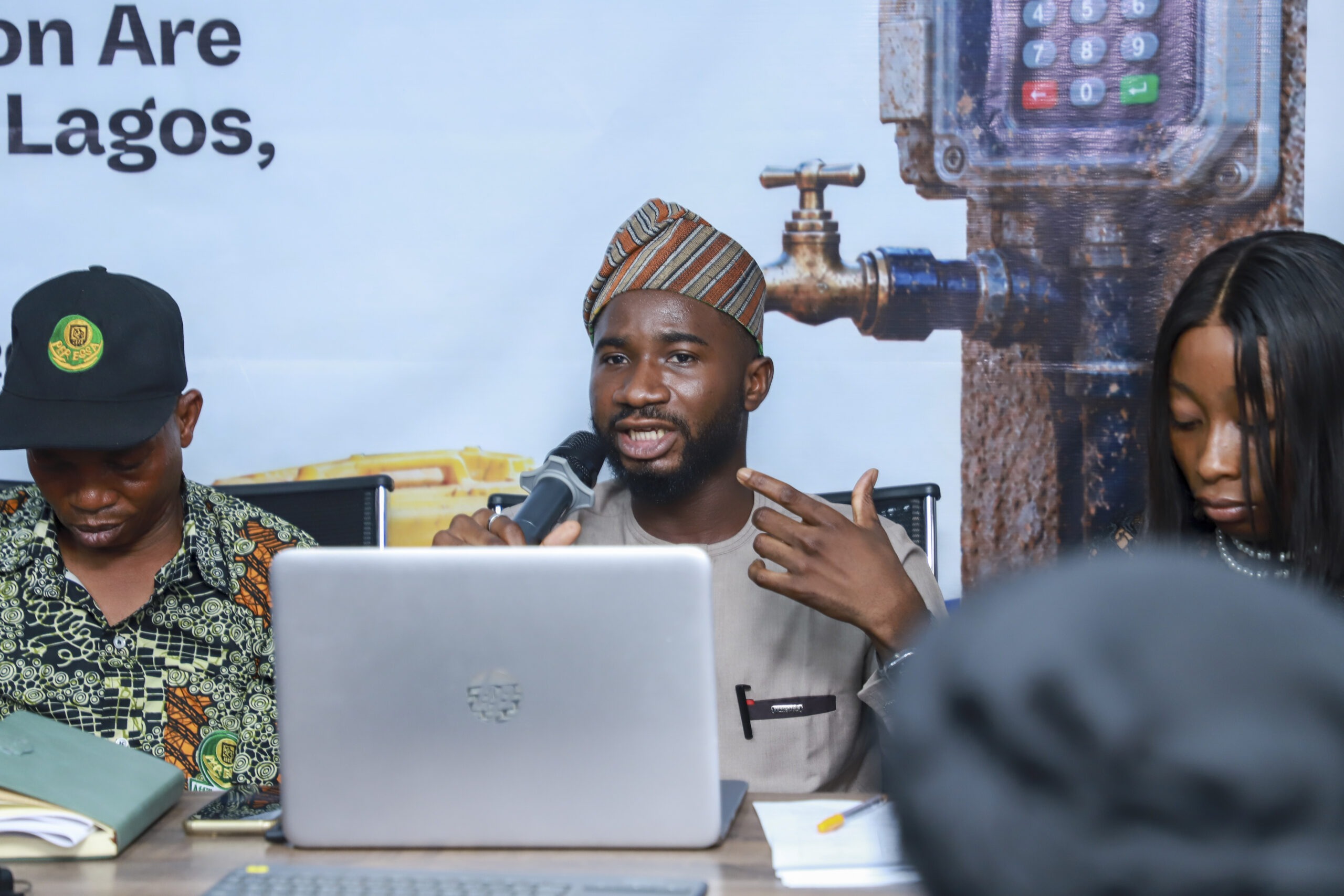
Favour John, Founder and Executive Director of the Sustainable Futures Development Initiative (SUFDI), described how communities were already financing alternatives where public supply had failed. In one community, residents reportedly pool about ₦85,000 each week to hire a water tanker serving several streets. He said churches, mosques, community associations and neighbours often helped people who could not always afford to pay for water. He pointed to these arrangements as examples of how democratic management could make public water services more responsive to residents’ needs. He argued for keeping water services in public hands and giving residents a say in where waterworks are located, how they are managed, and who is responsible for maintaining them.
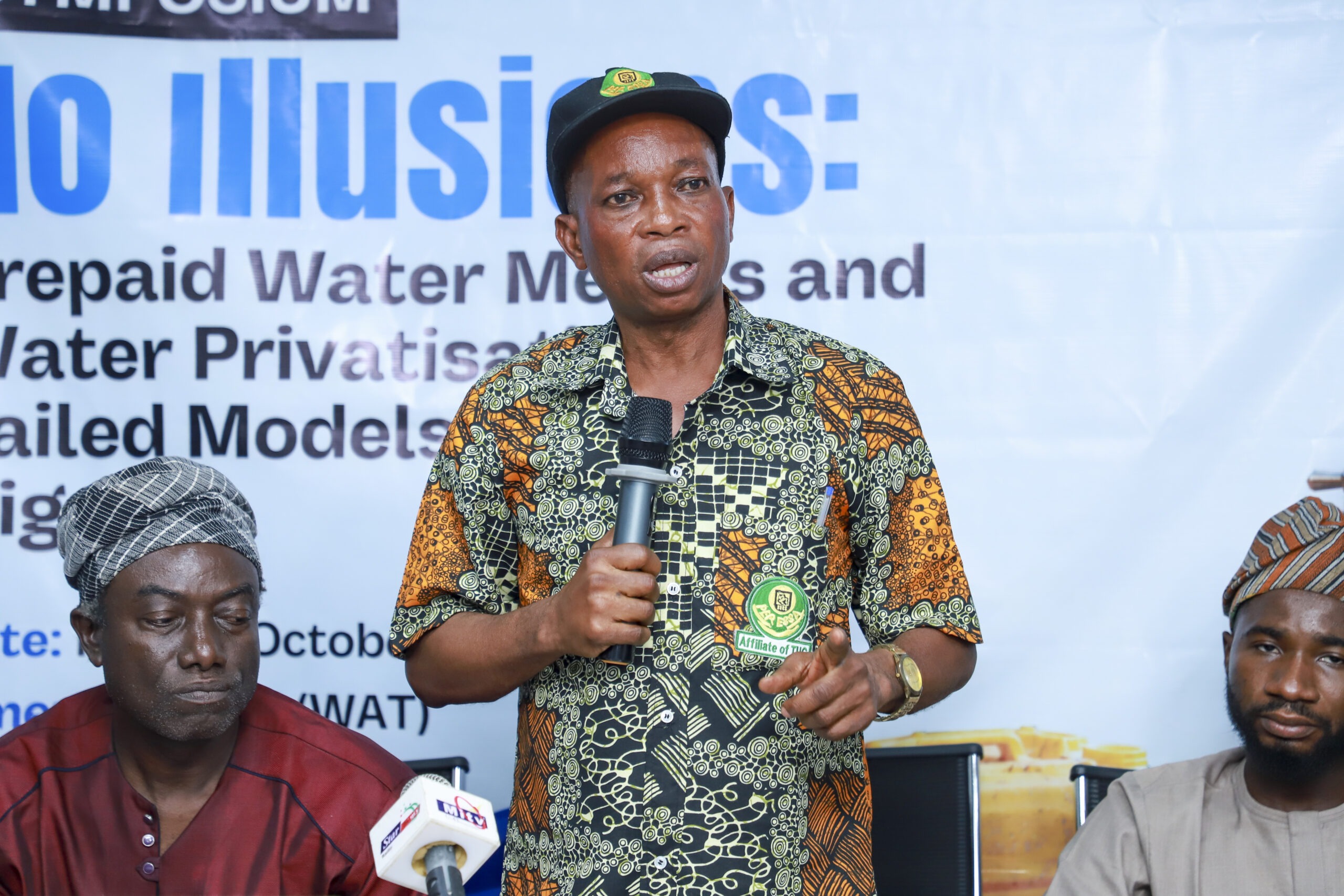
Speaking from the perspective of organised labour, Comrade Rufus Olusesan, National President of the Precision, Electrical and Related Equipment Senior Staff Association (PERESSA), called for an account of public spending on water infrastructure and urged workers and communities to organise together.
During the plenary, residents of Akilo and Baruwa described what it was like to rely on the public water network when supply was irregular and access at the tap depended on prepaid credit. An Akilo resident reported finding debris in water drawn from a public tap. A Baruwa resident said a technical problem with the prepaid system had left him unable to draw water for weeks. He said his complaints had gone unanswered and that he already found the charges high. Their accounts raised questions about how responsive water authorities are to residents’ concerns. Participants discussed documenting supply interruptions, water quality complaints and what households spend on water from vendors and tankers when public supply fails. Trade union representatives proposed a coordinated day of action with residents if the Lagos State Government failed to respond to their demands.
The symposium closed with participants calling on the state government to pause the proposed concessions covering seven mini and micro waterworks and publish the relevant documents, including the proposed contract terms and financing obligations. They also called for a halt to the expansion of prepaid metering while existing installations are reviewed with affected residents. Community members urged the government to invest in rehabilitating waterworks and pipelines, review disputed staff disengagements at the Lagos Water Corporation, and give residents and workers a formal role in planning and overseeing public water services.
Participants also called for a Water for All Action Plan setting out which facilities the government would restore, how it would fund the work and when underserved communities could expect a safe, reliable and affordable public supply.