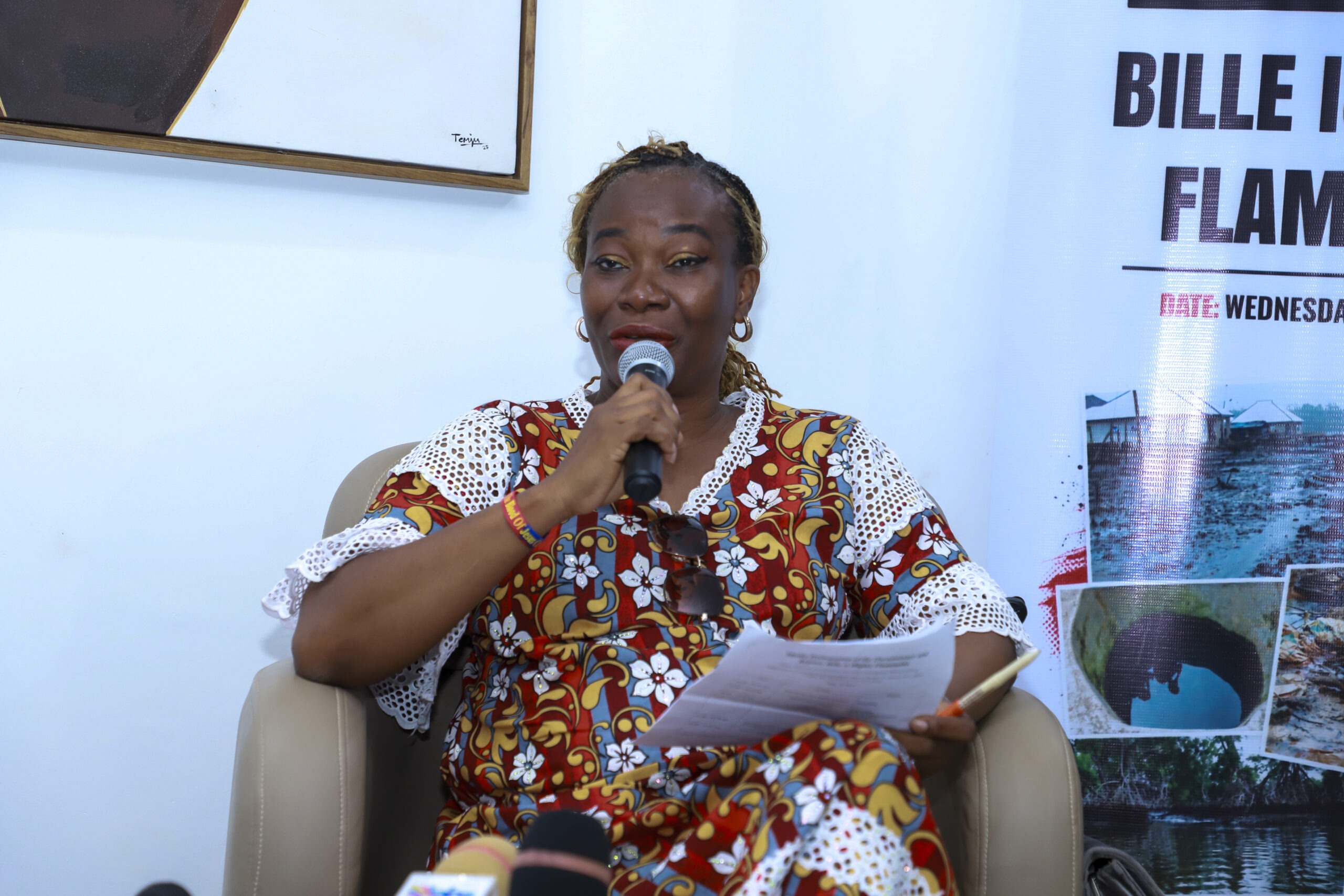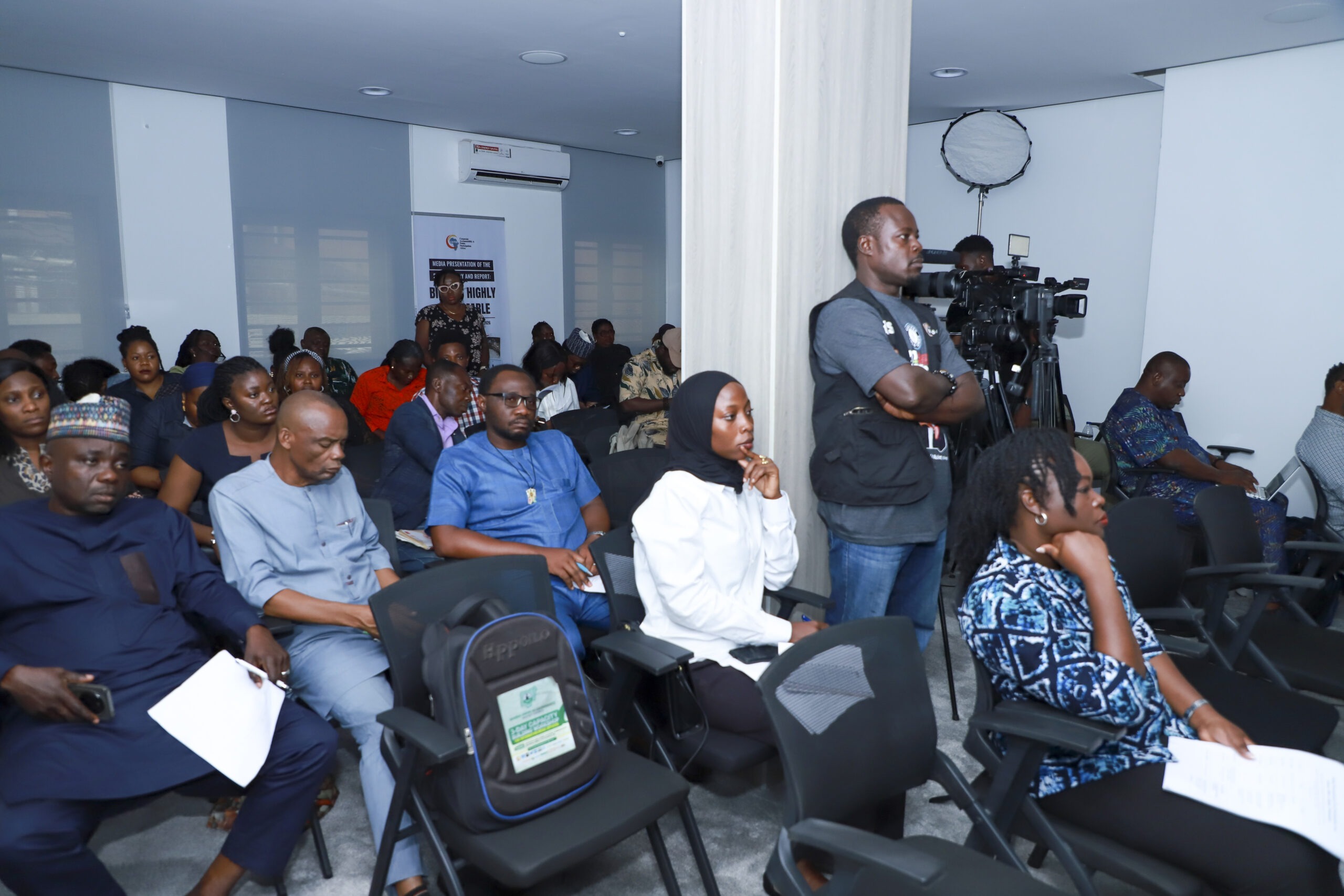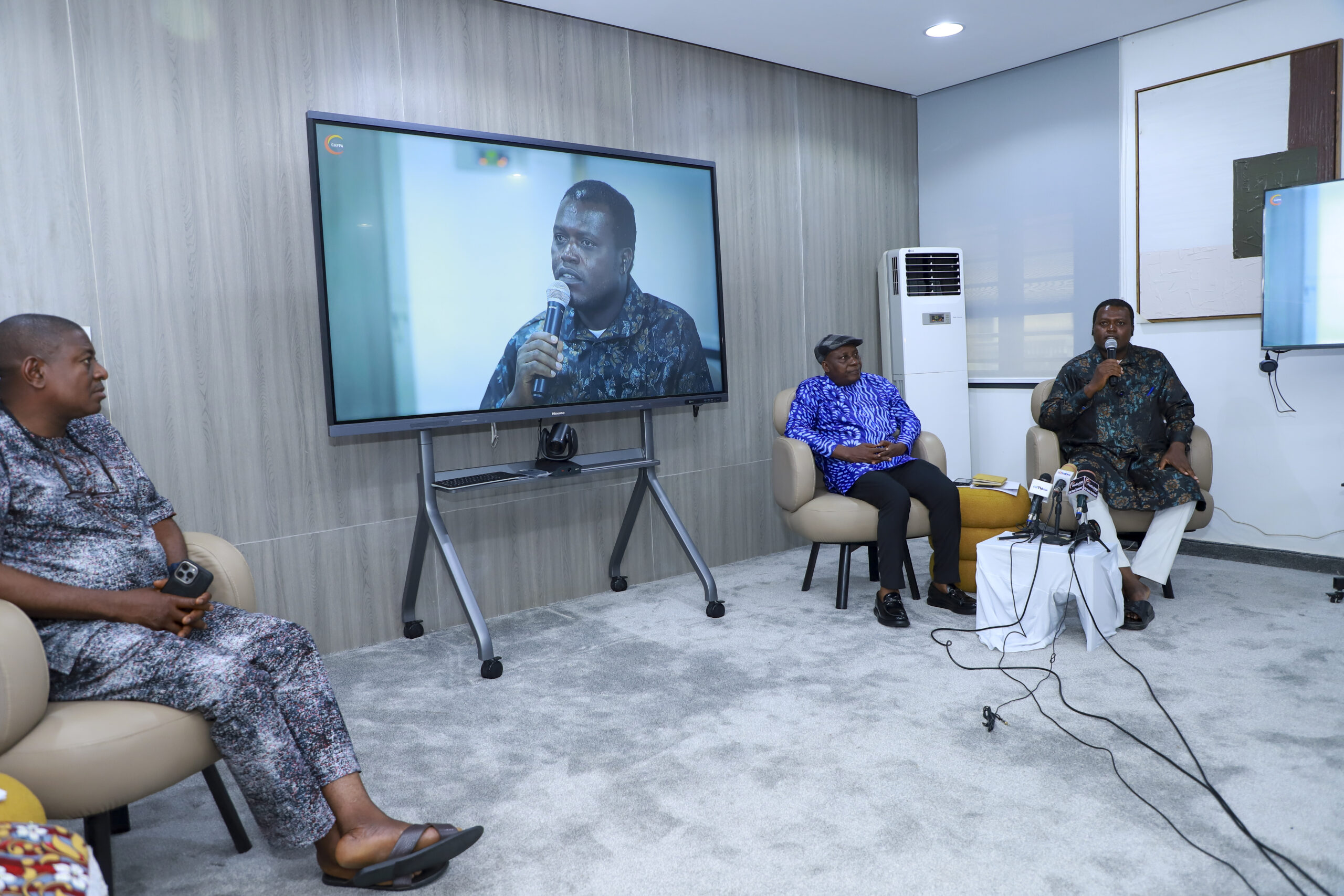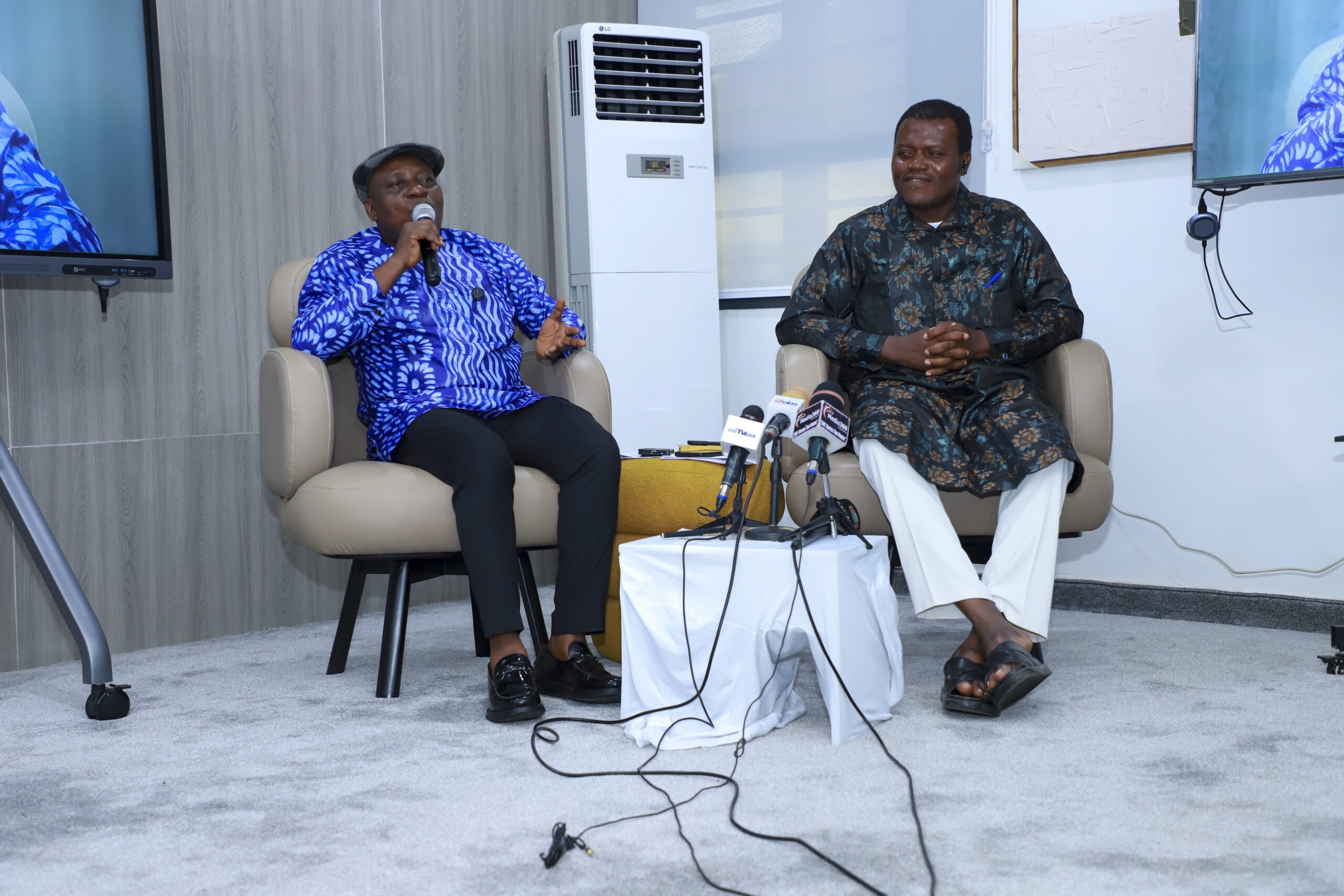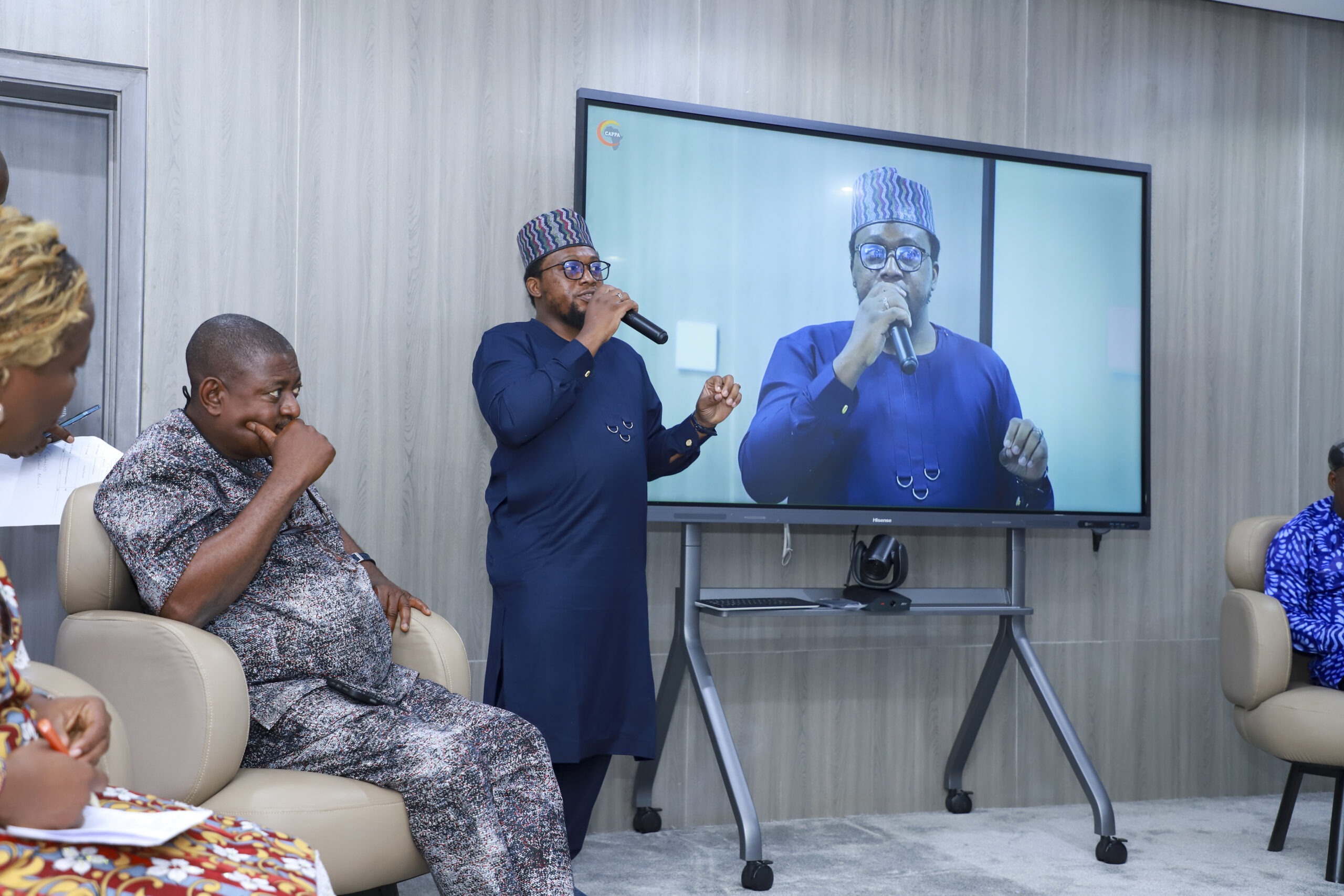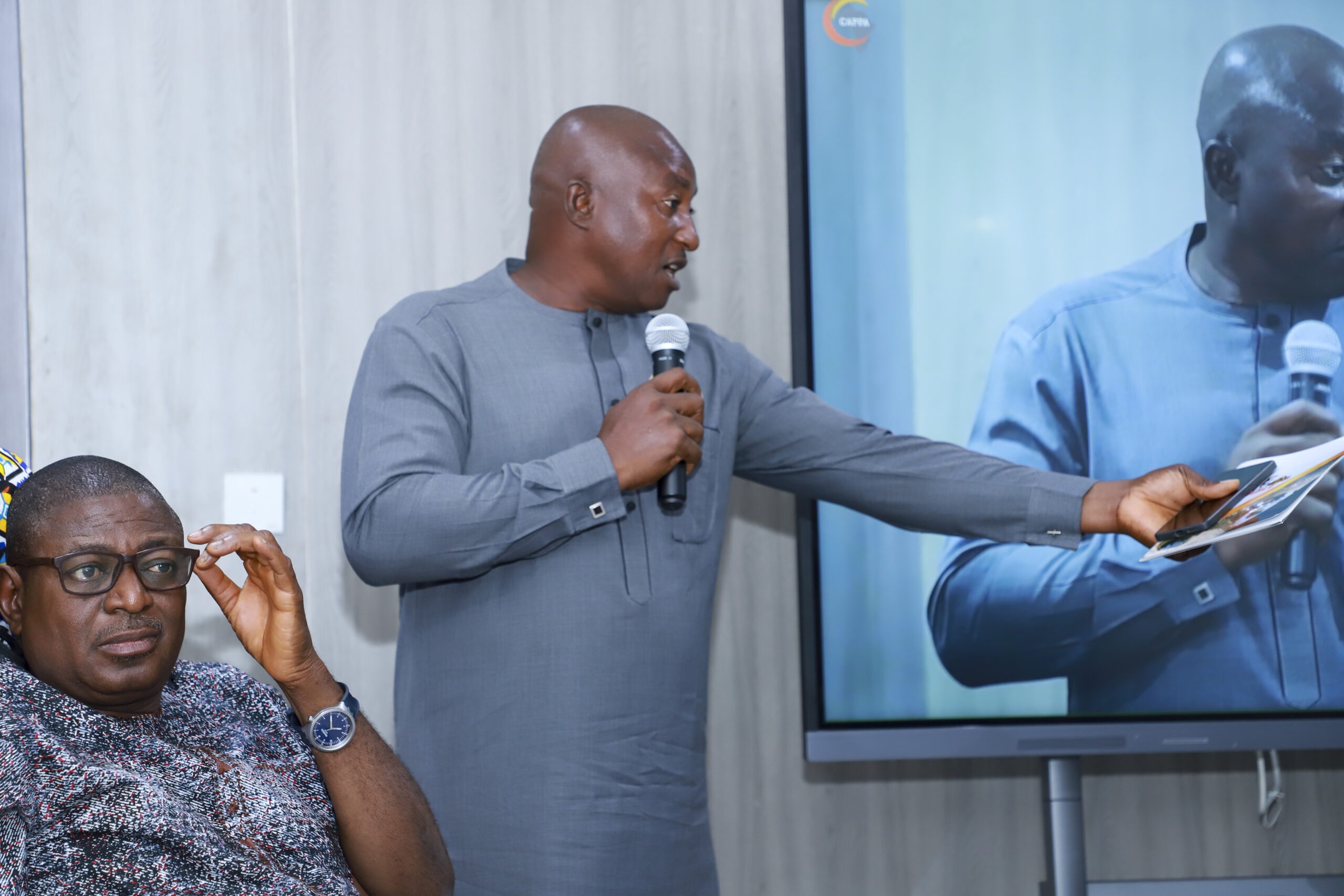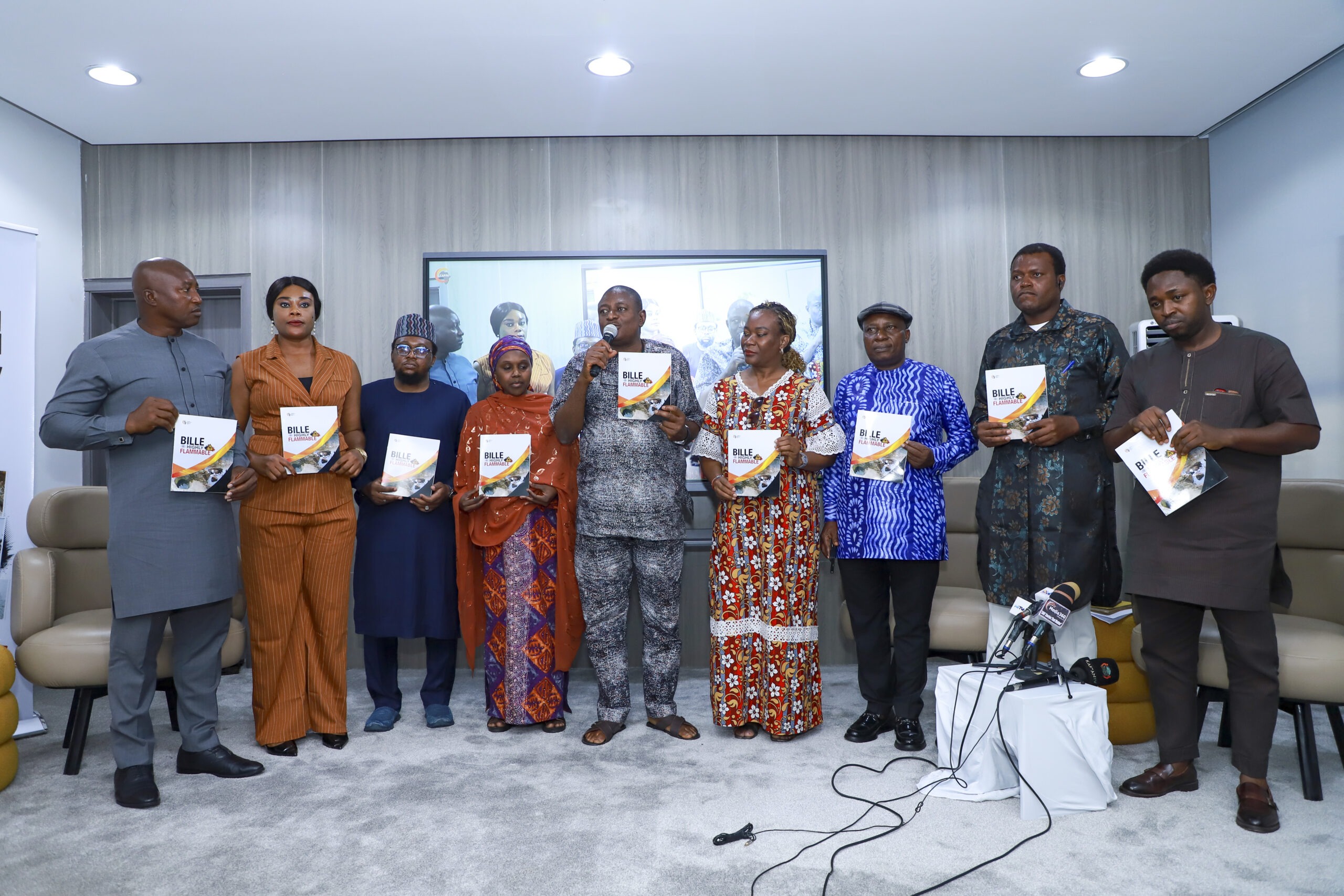
On Wednesday, August 19, 2026, Corporate Accountability and Public Participation Africa (CAPPA) convened a media event in Abuja to present a documentary and report on the worsening gas emissions in Bille Kingdom, Degema Local Government Area of Rivers State.
Titled Danger! Bille Is Highly Flammable, the documentary (watch here) and report (read here) presented findings from CAPPA’s July 6 field visit to the oil-producing island community and called on government agencies, regulators and other stakeholders to intervene before the crisis results in a major disaster.
Residents and civil society representatives at the event urged the Federal Government to declare an emergency in Bille, identify and stop the source of the emissions, and consider evacuating residents if scientific assessments confirm an immediate danger to life.
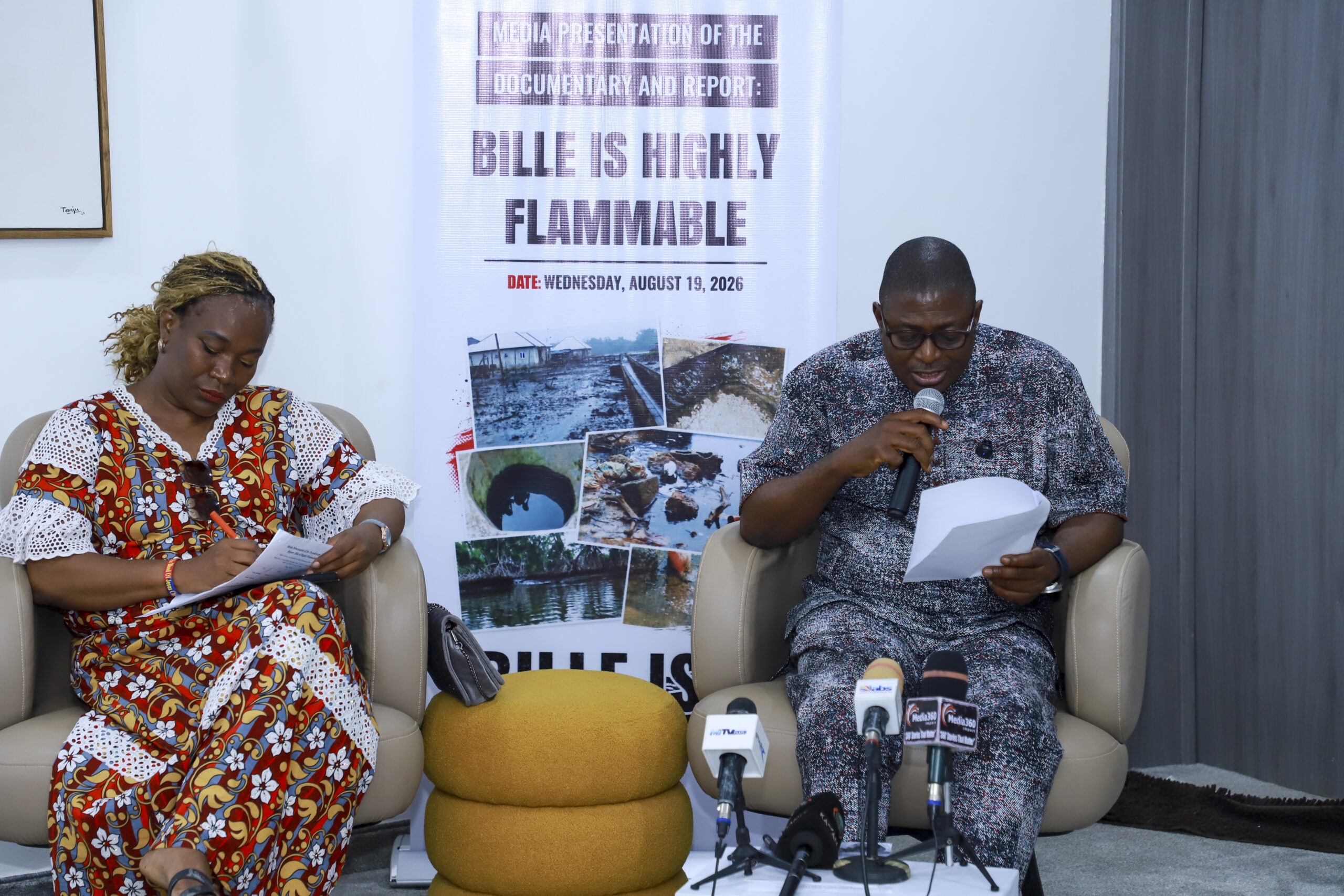
CAPPA’s Executive Director, Akinbode Oluwafemi, said residents had observed gas bubbling from wells, boreholes, residential compounds, creeks, mangrove swamps and school grounds since October 2025. The emissions have been accompanied by air pollution, groundwater contamination, fires, illnesses, disruption of schooling and damage to the fishing economy on which many families depend.
Oluwafemi said CAPPA’s field team encountered residents suffering from persistent itching, skin rashes, respiratory difficulties, vomiting and other health problems. Families were also living with the fear that accumulated gas could ignite without warning.
“Imagine having to think twice before cooking or carrying out ordinary activities in your own home because you do not know whether invisible gas around you could ignite,” he said.
Several government agencies, including the National Oil Spill Detection and Response Agency (NOSDRA), the Nigerian Upstream Petroleum Regulatory Commission (NUPRC), the Federal Ministry of Environment and the Federal Ministry of Petroleum Resources, have visited affected locations and collected soil, water and gas samples. Investigations have reportedly identified elevated levels of methane, hydrogen sulphide and carbon dioxide, alongside contaminated groundwater and declining air quality.
Despite these findings, Oluwafemi said the interventions provided so far were grossly inadequate. He cited a fire truck donated by NNPC Limited that remained locked and unused because no trained operator or emergency crew had been assigned to the community. Its usefulness is further limited by Bille’s narrow pedestrian pathways, which make large sections of the settlement inaccessible to conventional emergency vehicles.
CAPPA called for the immediate publication of all environmental and health test results and a comprehensive audit of oil and gas infrastructure in and around Bille. Any facility found to be unsafe should be repaired, isolated or decommissioned before it causes further harm.
The organisation also demanded a continuous supply of safe drinking water, free medical screening and treatment, long-term health surveillance, temporary learning facilities for affected pupils, livelihood support and prompt compensation for affected households. It called for a practical emergency-response and evacuation plan supported by trained personnel and equipment suited to Bille’s terrain.
CAPPA stressed that residents must be fully involved in investigations, emergency planning and decisions about the future of their community.
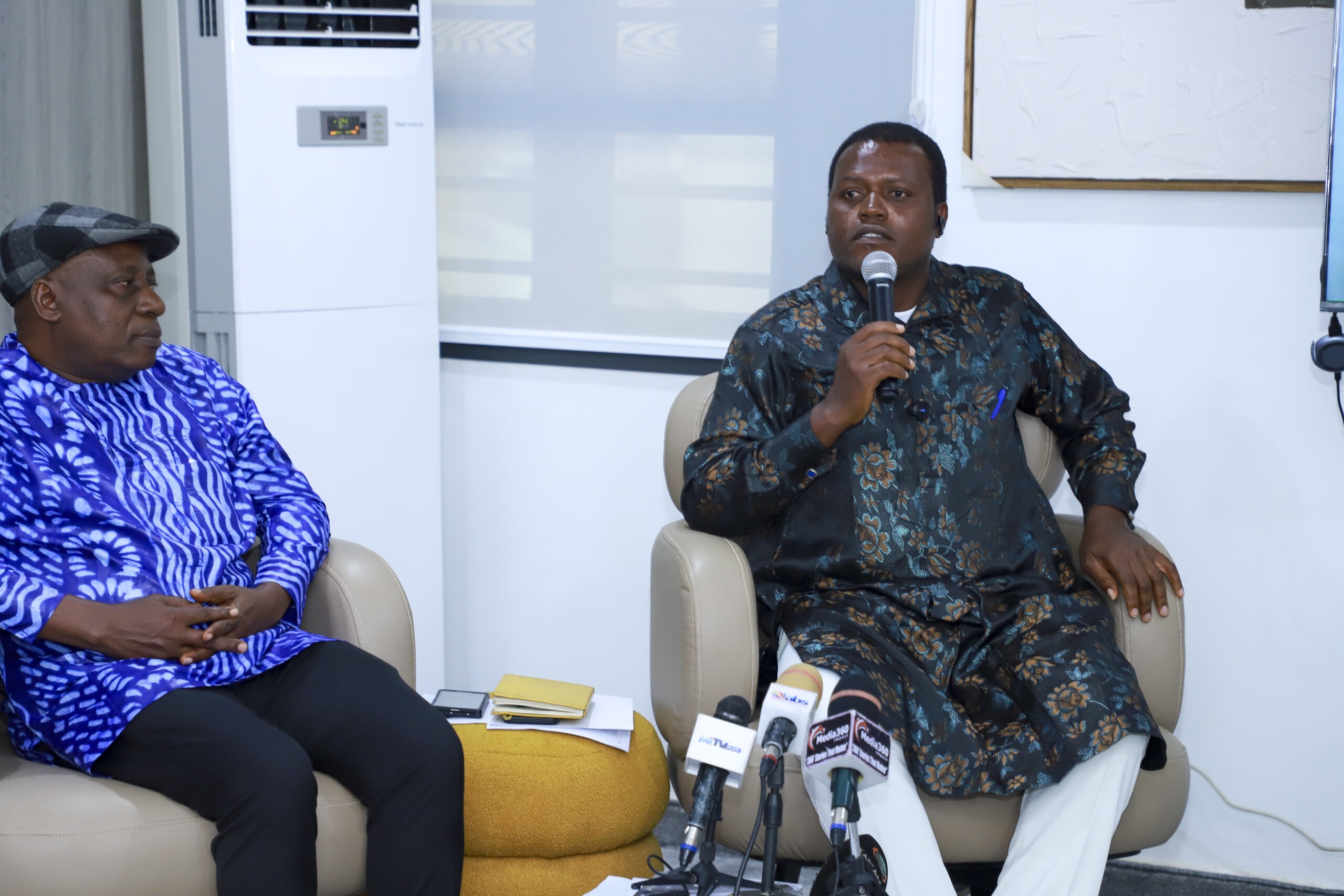
The Vice President of the Bille Kingdom Youth Federation, Timothy Agunbiade, said the situation was spreading. Areas where no gas activity had previously been observed were now bubbling, while residents continued to report worsening health and livelihood problems.
Agunbiade described the incident as an active gas leak rather than natural seepage. He said his wife had developed persistent rashes and that other residents had experienced throat dryness, loss of voice and related ailments. The pollution, he added, was destroying mangroves and reducing fishing activity, leaving families without safe alternatives or reliable means of survival.
“Bille is like a cage. First thing first, this thing has to stop,” he said.
Agunbiade, a trained disaster manager, expressed concern that the emissions could be linked to ageing or abandoned oil and gas infrastructure. He warned that the continued accumulation of combustible gases could cause a large fire or explosion.
He said the provision of a fire truck and extinguishers could not substitute for identifying and stopping the source of the emissions. Without trained personnel, suitable equipment and a functioning emergency system, such measures offered residents little protection. According to him, the community had already recorded four major fires, including an incident on May 14 that nearly claimed four lives.
He urged the government to halt the emissions before turning its attention to remediation and compensation.
Click to view pictures from Bille
Celestine Akpobari, founder and team lead of the Miideekor Environmental Development Initiative, said his visit to Bille on June 13 exposed the severity of the crisis. He called for a state of emergency in the community and other affected parts of the Niger Delta.
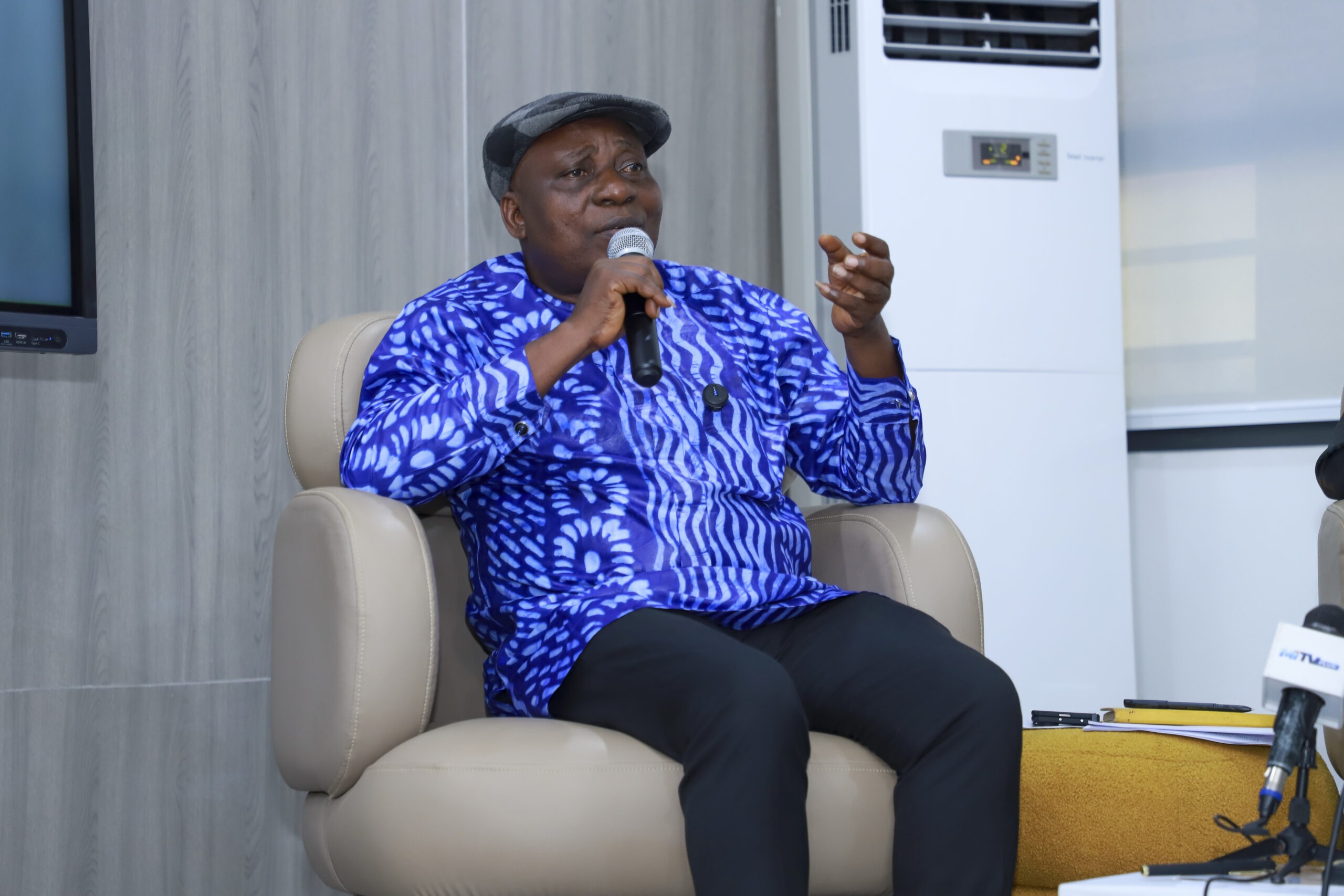
Akpobari described the reported release of N100 million to Bille as inadequate when measured against the scale of contamination, health risks and livelihood losses. He said evacuation should be considered if scientific evidence establishes an imminent threat of explosion or another catastrophic event.
He also called for a review of oil and gas divestments in the region to determine whether ageing, abandoned or poorly maintained infrastructure was exposing host communities to further danger.
Ahmad Abdulsamad of the Natural Resource Governance Institute said the Bille crisis reflected Nigeria’s persistent failure to enforce its environmental laws. In his view, the country’s central problem was not the absence of regulations but the weakness of their implementation.
Abdulsamad said any credible response must involve residents from the beginning and connect community knowledge with action at local, state and federal levels. He also questioned the logic of providing a fire truck while leaving the cause of the emissions unresolved.
Ahmed Lawal of the Centre for Leadership, Strategy and Development described the situation as both an environmental and humanitarian emergency. He said vulnerable communities often received serious government attention only after sustained public pressure and urged CAPPA and other civil society organisations to build wider support for urgent intervention in Bille.
Zainab Hammad, Assistant Chief Investigation Officer in the National Human Rights Commission’s Department of Economic, Social and Cultural Rights, represented the Commission’s Executive Secretary, Dr Tony Ojukwu, OFR, SAN. She pledged that the Commission would work within its mandate to raise awareness of the crisis, investigate the reported human rights violations, engage the relevant authorities and press for urgent measures to protect the lives, health and livelihoods of Bille residents.
Participants agreed that the crisis went beyond environmental pollution. It raised urgent questions about public health, human dignity, environmental justice, corporate accountability and the duty of government to protect communities living alongside extractive infrastructure.
CAPPA urged the media to sustain attention on Bille, scrutinise official promises and keep residents’ experiences at the centre of public reporting until the source of the emissions is stopped and the community receives lasting protection and remedy.