Abereke is a riverine community in the Mahin Kingdom, Ilaje Local Government Area of Ondo State, South West Nigeria. Like many other communities along this coastline, it is confronting a severe environmental crisis. Ocean surges driven by rising sea levels regularly inundate homes and farmlands, while repeated oil spills from extractive operations continue to pollute waterways and degrade the delicate mangrove ecosystem that surrounds the area.
Between 16 and 18 March 2026, a team from CAPPA visited Abereke as part of the organisation’s storytelling initiative to document the realities of climate change and environmental degradation in frontline communities. The team assessed the extent of damage in the community, listened to residents’ experiences, and examined how these problems are affecting the local economy and daily life.
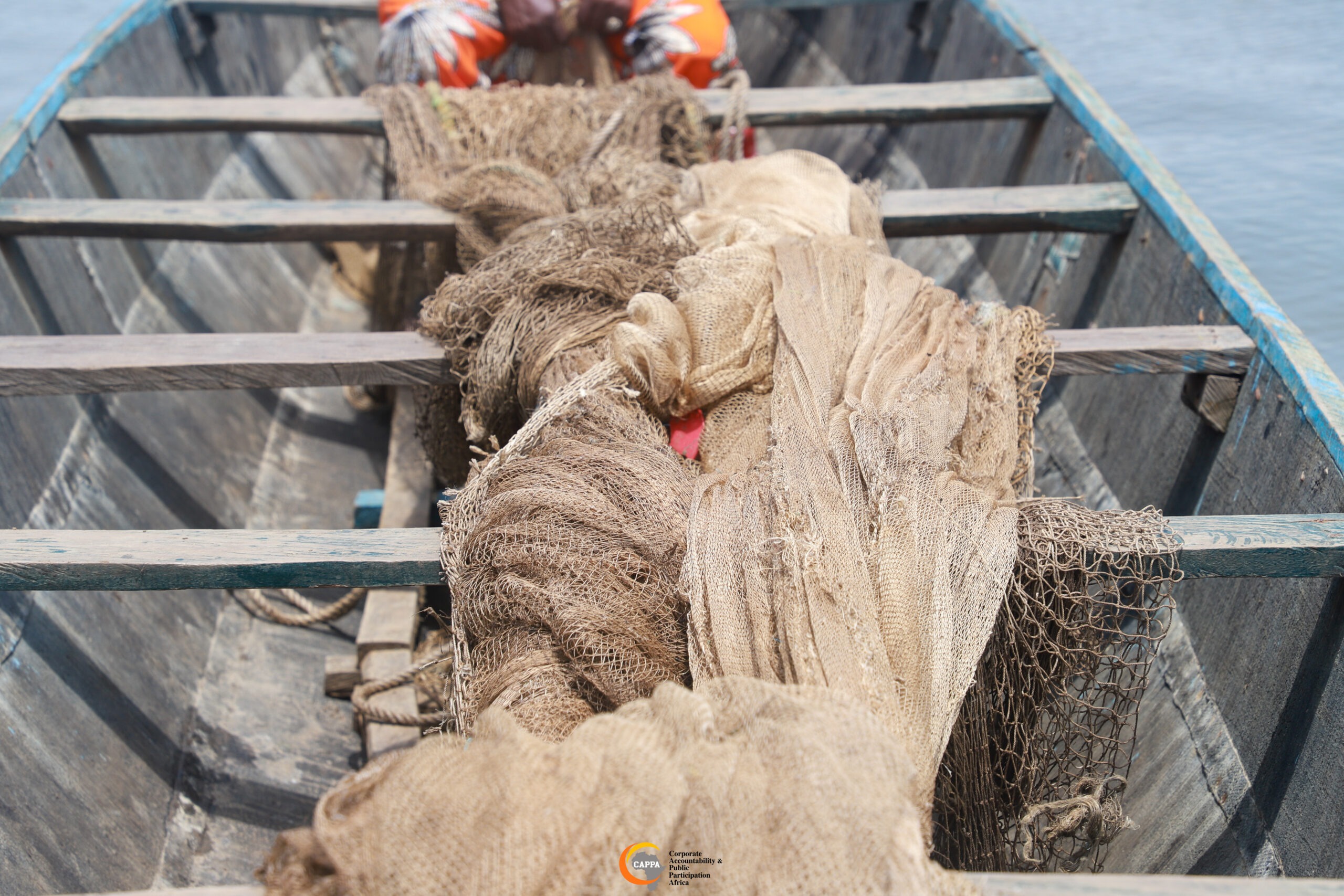
The scale of environmental destruction in Abereke is both stark and multi-layered. Oil slicks visibly coat water bodies, with dead fish littered along shorelines, and fishing nets frequently ruined by hydro-carbon pollution. Residents report a sharp decline in marine resources like fish, prawns, and crayfish that once supported their livelihoods. The pollution extends inland, with livestock such as pigs, dogs, and chickens dying after exposure to contaminated soil and water.
At the same time, rising sea levels and tidal surges have submerged roughly 20 kilometres of community land. With no protective infrastructure in place, the ecosystem remains highly vulnerable and shows limited capacity for natural recovery. These interlocking pressures have produced devastating socio-economic consequences, felt most acutely by the women in Abereke who carry the heaviest burden.
Fishing, the mainstay of the local economy, has largely collapsed. With fewer catches and damaged equipment, incomes have dropped sharply. Community members told the CAPPA team that repairing a single boat, often damaged by harsh ocean waves, now costs around ₦300,000 or more, far beyond the reach of most families. Women, who traditionally depend on small-scale animal husbandry and fish processing for supplementary income, have lost these vital economic buffers.
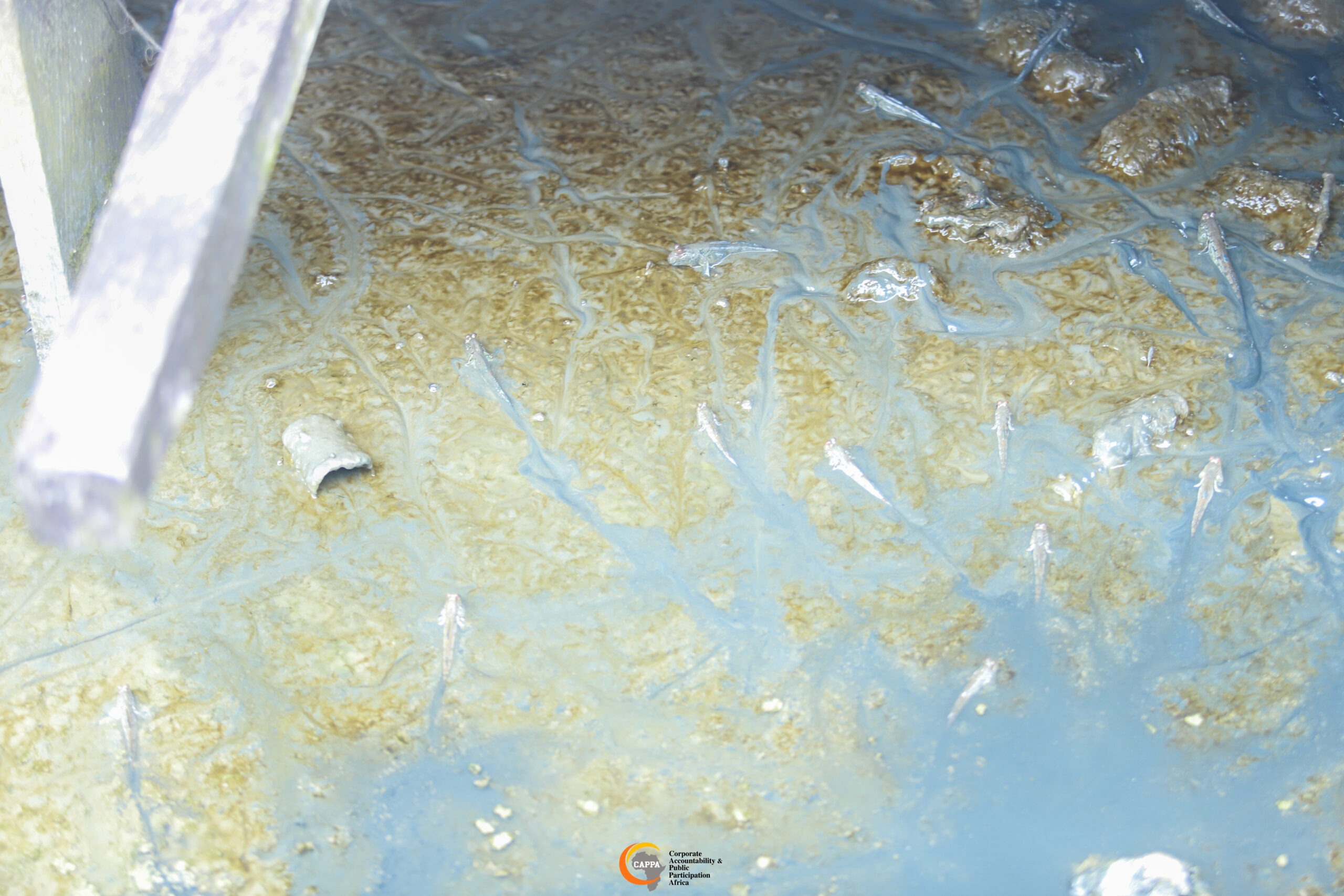
Water Everywhere but None to Drink
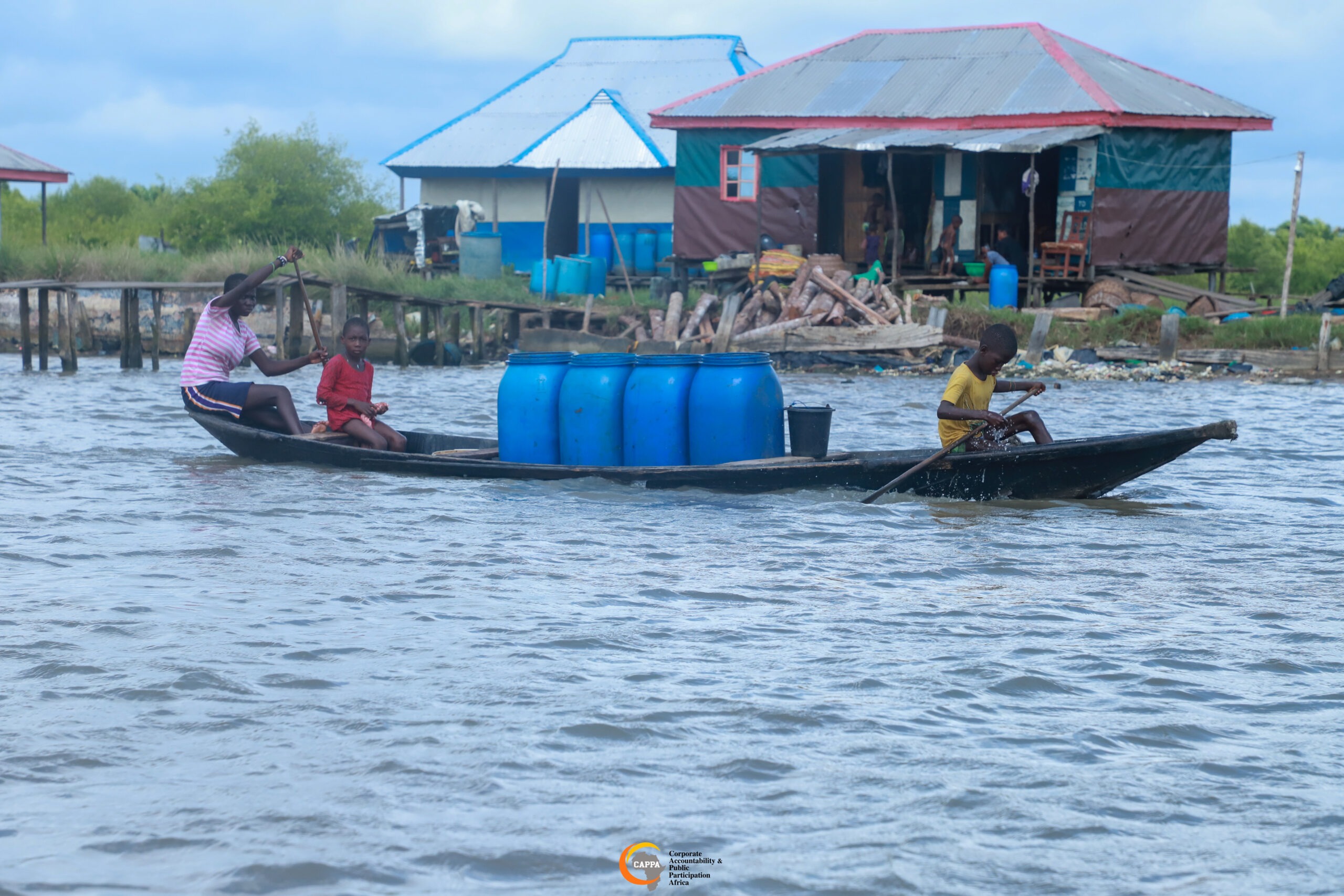
The daily struggle for clean water in the community also exposes an ironic form of the crisis. With natural sources heavily polluted, women and children bear the primary responsibility for fetching water. They undertake arduous journeys of two to four hours by water to distant communities with functional boreholes. This time-consuming and physically demanding task severely limits opportunities for productive work, trading, or schooling, while exposing them to safety risks and deepening gender inequalities.
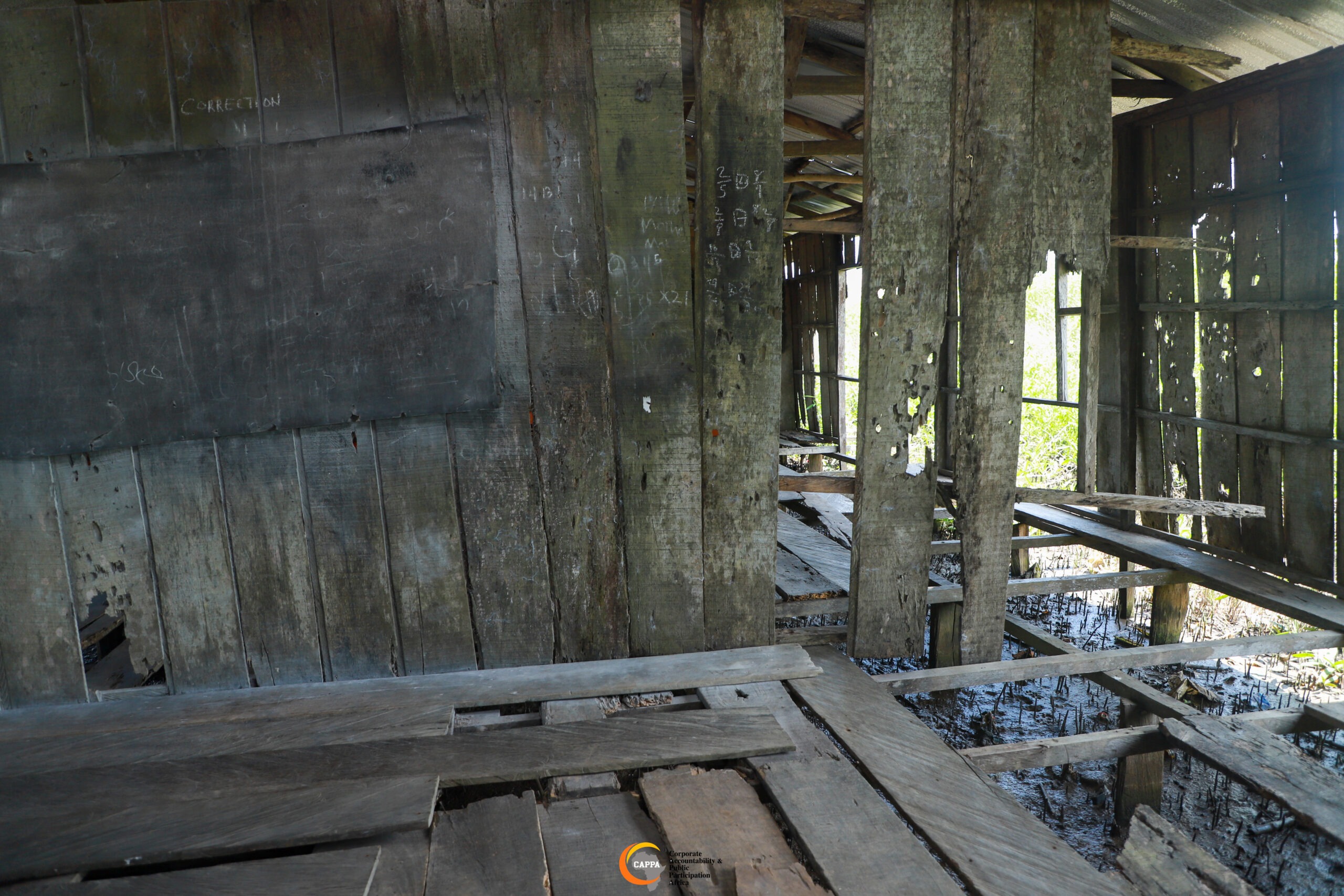
The challenges bedevilling Abereke community has also affected learning and health infrastructures. The community’s only primary school has been destroyed by tidal waves, and the wooden bridge leading to it has collapsed, leaving children unable to attend classes. There is also no health centre or reliable access to medical care.
As one resident stated, “Local herbs are often the rescue for families who cannot take their sick ones to bigger towns.” Contaminated water, declining food quality, and chronic exposure to pollutants are increasing health risks, including potential long-term effects from hydrocarbon exposure and poor nutrition.
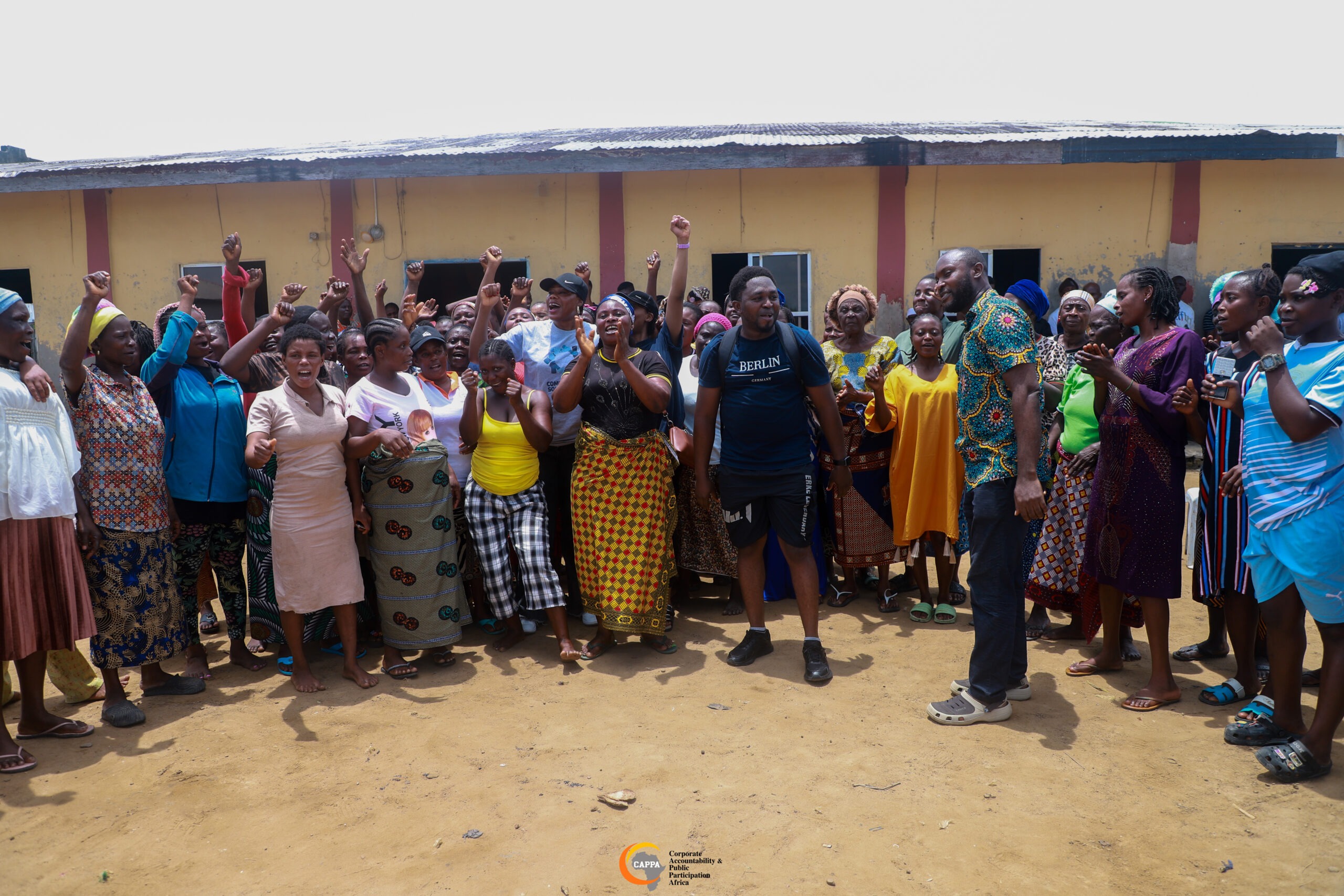
During a participatory reimagination session, women took turns to describe what a clean and healthy Abereke would look like in a fair world. Many spoke of restored waters where fishing could once again sustain life. Others imagined having the time and stability to rebuild their enterprises and trade. A recurring theme was joy, something they said has steadily disappeared under the weight of oil pollution and climate disruption. Some expressed this through song and dance, acting out scenes of recovery, work, and everyday life returning to normal.
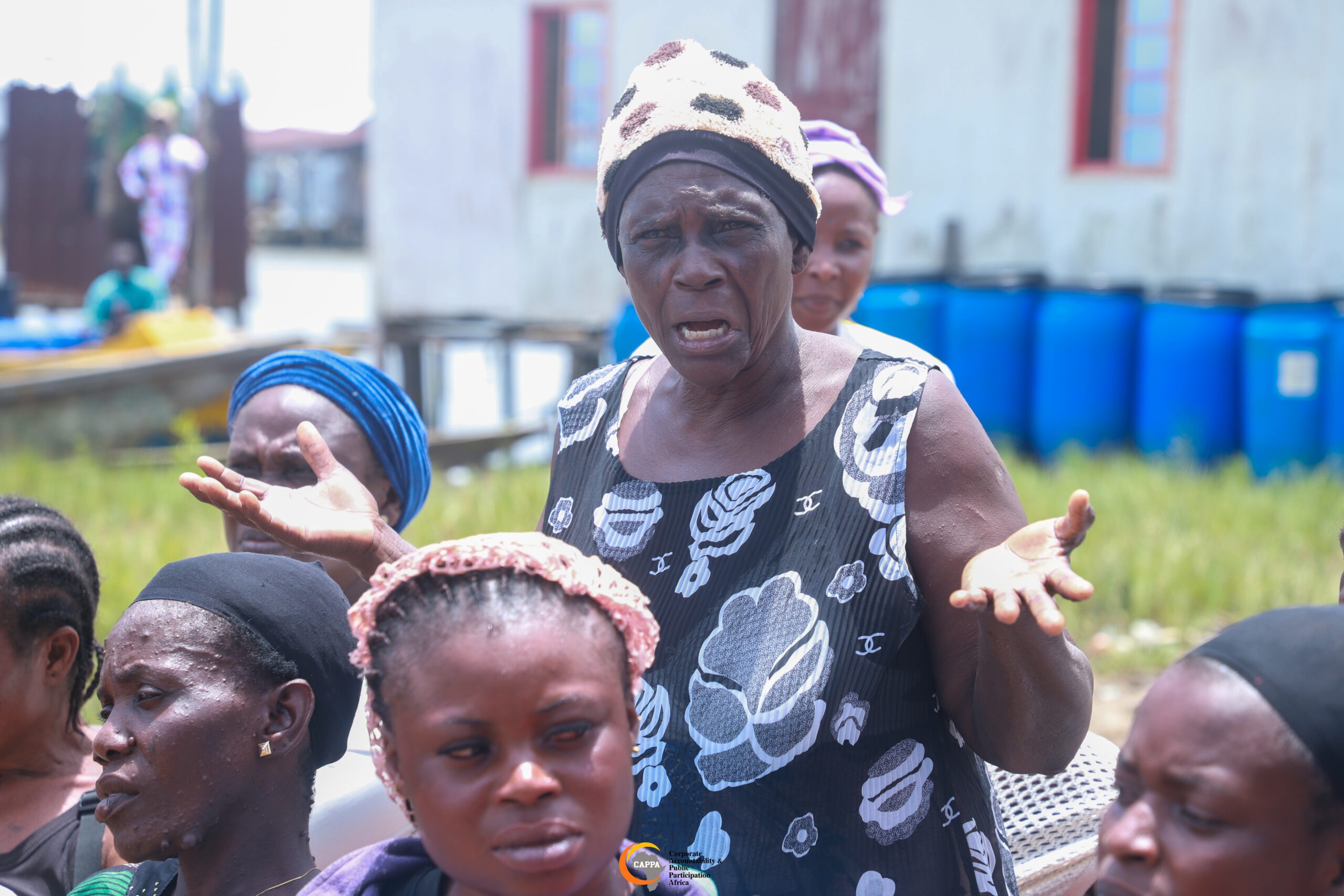
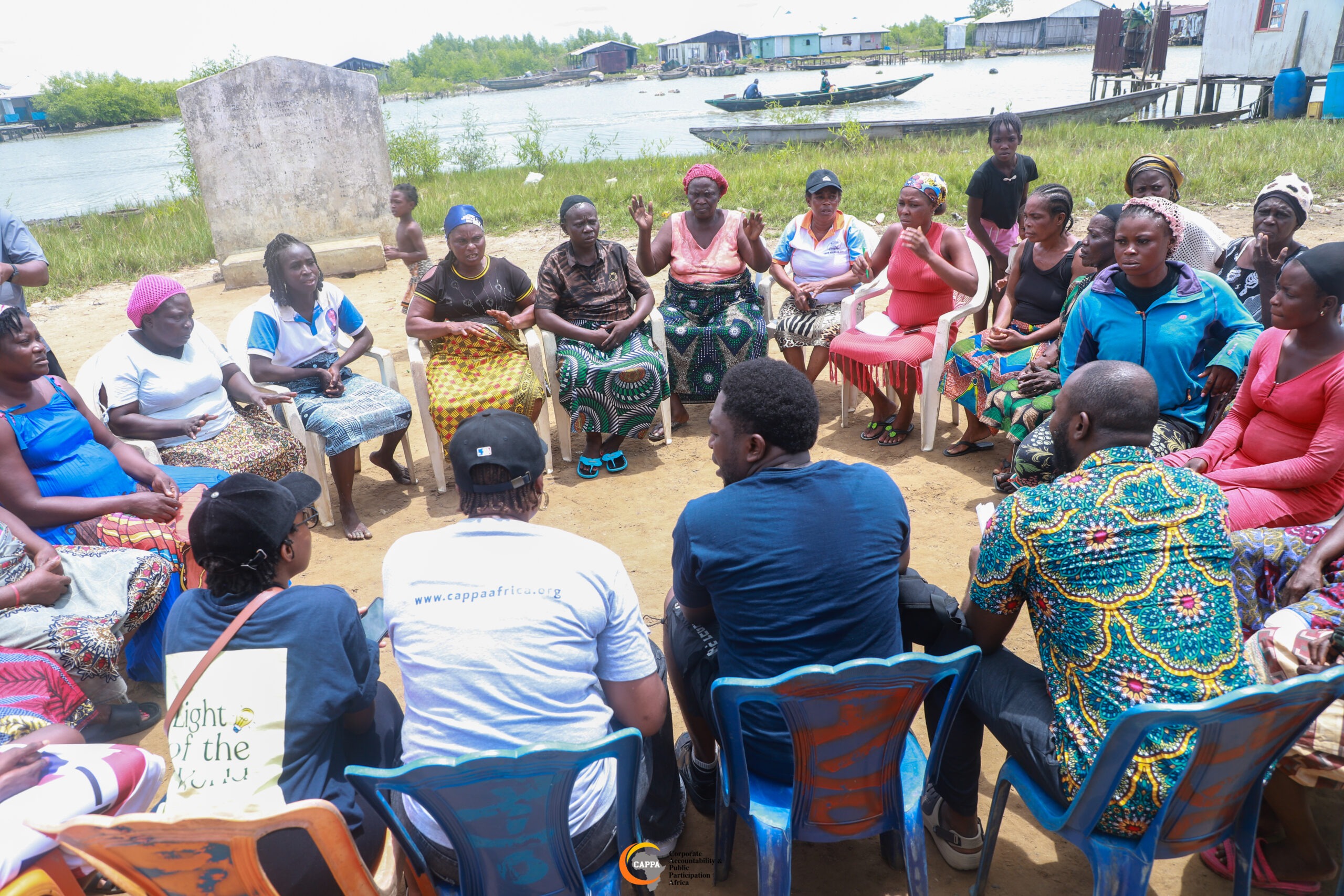
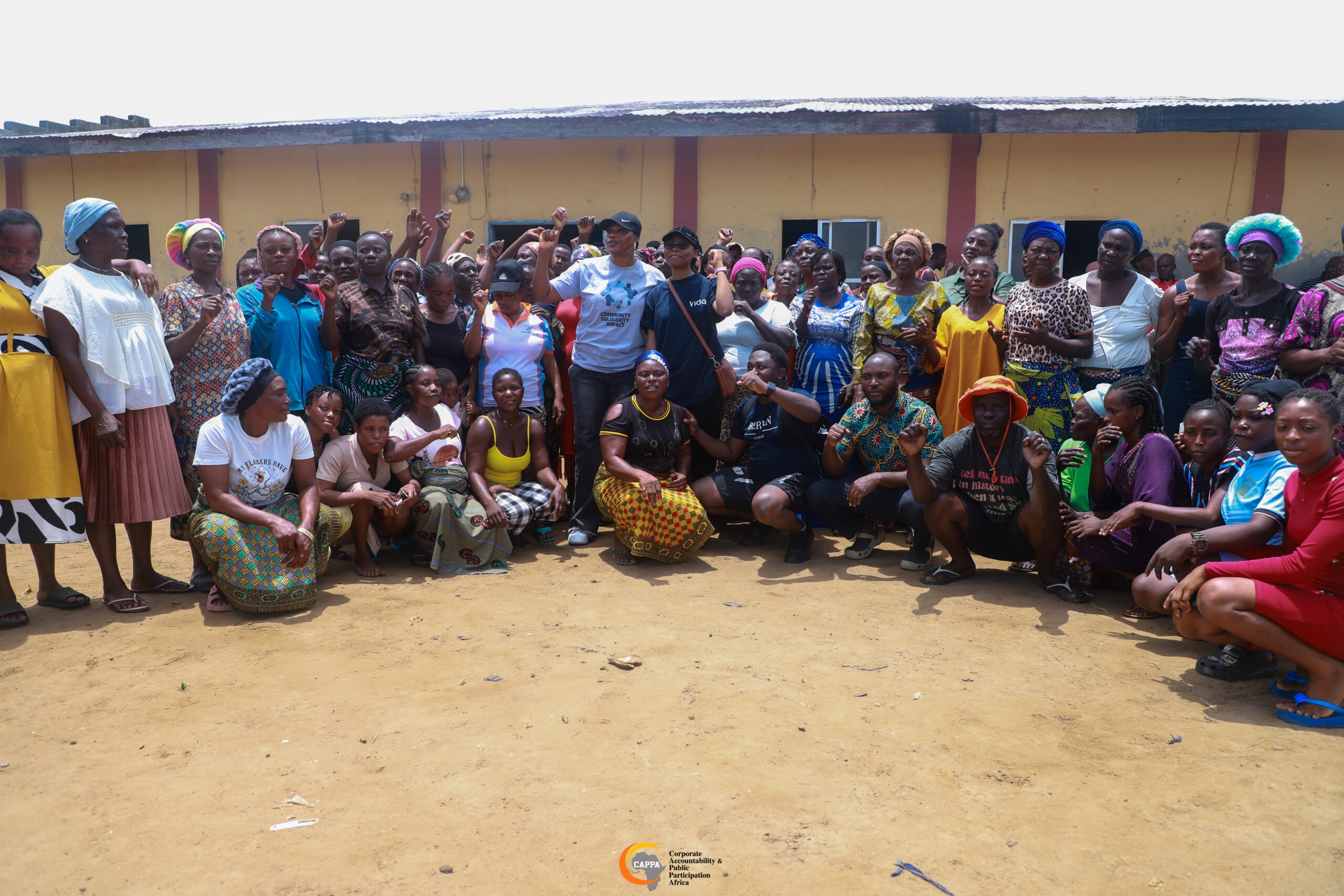
The women of the Abereke Community during a focus group discussion and a session reimagining their environment
For years, the people of Abereke have consistently called for urgent intervention. They demand accountability from both the government and the oil companies — particularly Chevron, Agip, and Guarantee Oil — whose operations have significantly contributed to the degradation. Their key requests include comprehensive environmental impact assessments, fair compensation for destroyed livelihoods and property, thorough clean-up and remediation of polluted sites, construction of coastal embankments to mitigate further sea incursion, and rehabilitation of essential infrastructure such as the school.
Concluding its field visit, CAPPA promised to amplify the voices and plight of Abereke in media, policy, and advocacy spaces. The evidence and testimonies gathered will strengthen advocacy for climate and environmental justice while serving as an important benchmark to assess government responsiveness and corporate accountability in Ondo State and the broader Niger Delta region.
Read our press statement on the visit here: here
More pictures from the visit: Click link