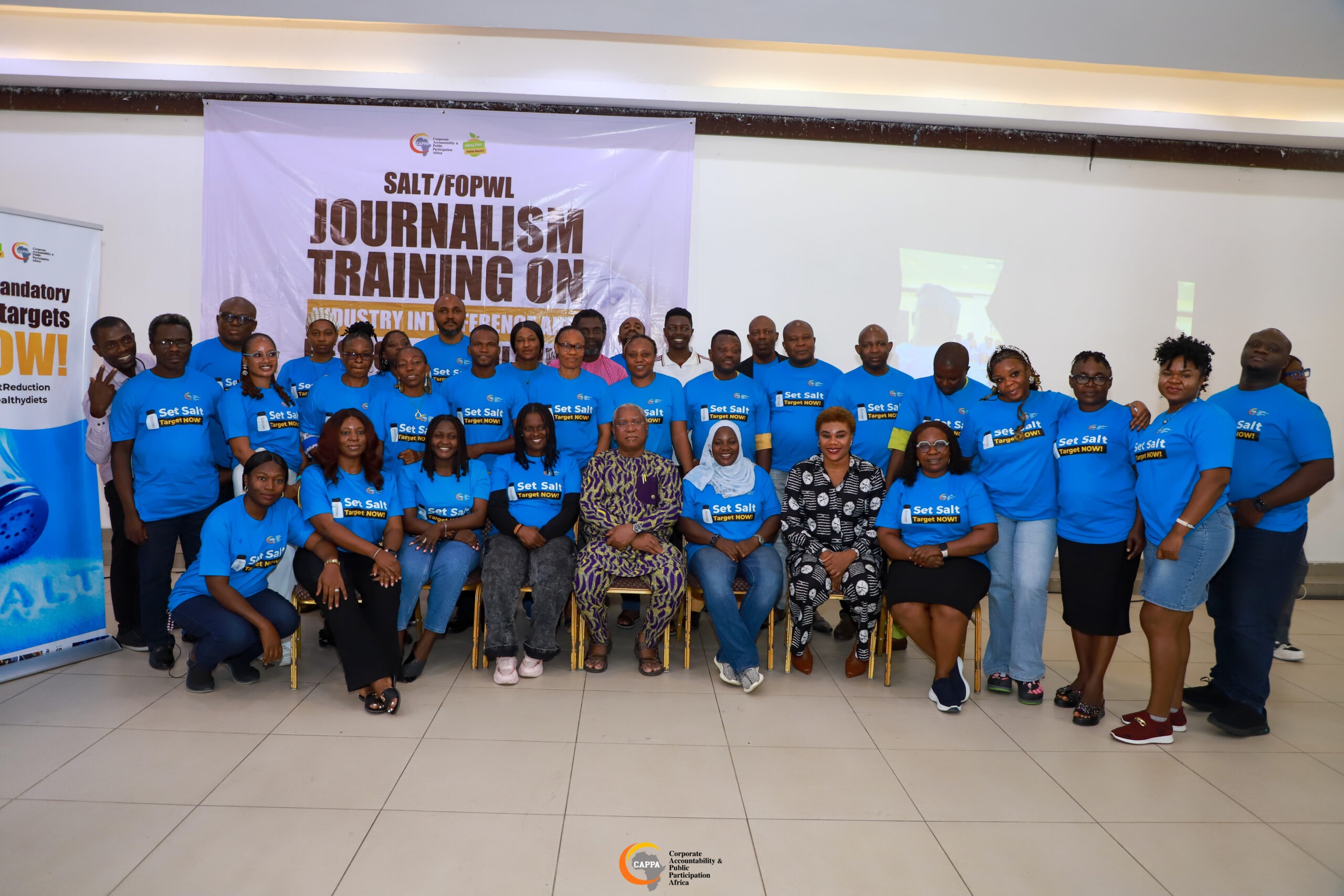
The Corporate Accountability and Public Participation Africa (CAPPA) has trained journalists in Rivers State on how to identify and respond to industry interference in Nigeria’s healthy food policy space.
The two-day capacity-building workshop, themed “SALT/FOPL Journalism Training on Industry Interference and Response Building,” held on October 27 and 28, 2025. It brought together over 27 journalists from leading television, radio, print, and online media organisations, including Punch, ThisDay, Daily Trust, The Nation, The Guardian, NAN, Channels TV, NTA, AIT, Arise TV, RSTV, Cool FM, Beat FM, and several others.
In his welcome address, CAPPA’s Executive Director, Akinbode Oluwafemi, said the training was part of the organisation’s broader campaign to strengthen public health advocacy around Nigeria’s National Salt Reduction Targets and Front-of-Pack Labelling (FOPL) policies.
Oluwafemi noted that the sessions were designed to equip journalists with the knowledge and tools to produce compelling, evidence-based stories on food industry interference and to promote accountability in policymaking.
“This engagement is both timely and necessary,” he said. “As governments around the world move to reduce diet-related diseases, powerful corporate actors are working to delay or weaken these policies. The media must therefore play its part in protecting public health by exposing tactics that put profits above people.”
The CAPPA director lamented Nigeria’s rising burden of non-communicable diseases (NCDs) such as hypertension, heart disease, and kidney failure, which he linked to the increasing consumption of ultra-processed foods high in salt, sugar, and unhealthy fats. He cited recent global data showing Nigeria’s average life expectancy at 54.9 years, the lowest in the world, compared to the global average of 74.7 years.
Oluwafemi emphasised that reducing salt intake and introducing front-of-pack warning labels are proven interventions that can save lives. He commended the Federal Ministry of Health and Social Welfare for adopting the National Sodium Reduction Guideline and inaugurating a National Technical Working Group on FOPL, while warning that industry pushback must be countered through transparency and vigilance.
“We must not allow the same food industry whose products contribute to disease to dictate the rules of engagement,” he said. “Through ethical and independent journalism, we can ensure that the public debate remains guided by evidence and the common good.”


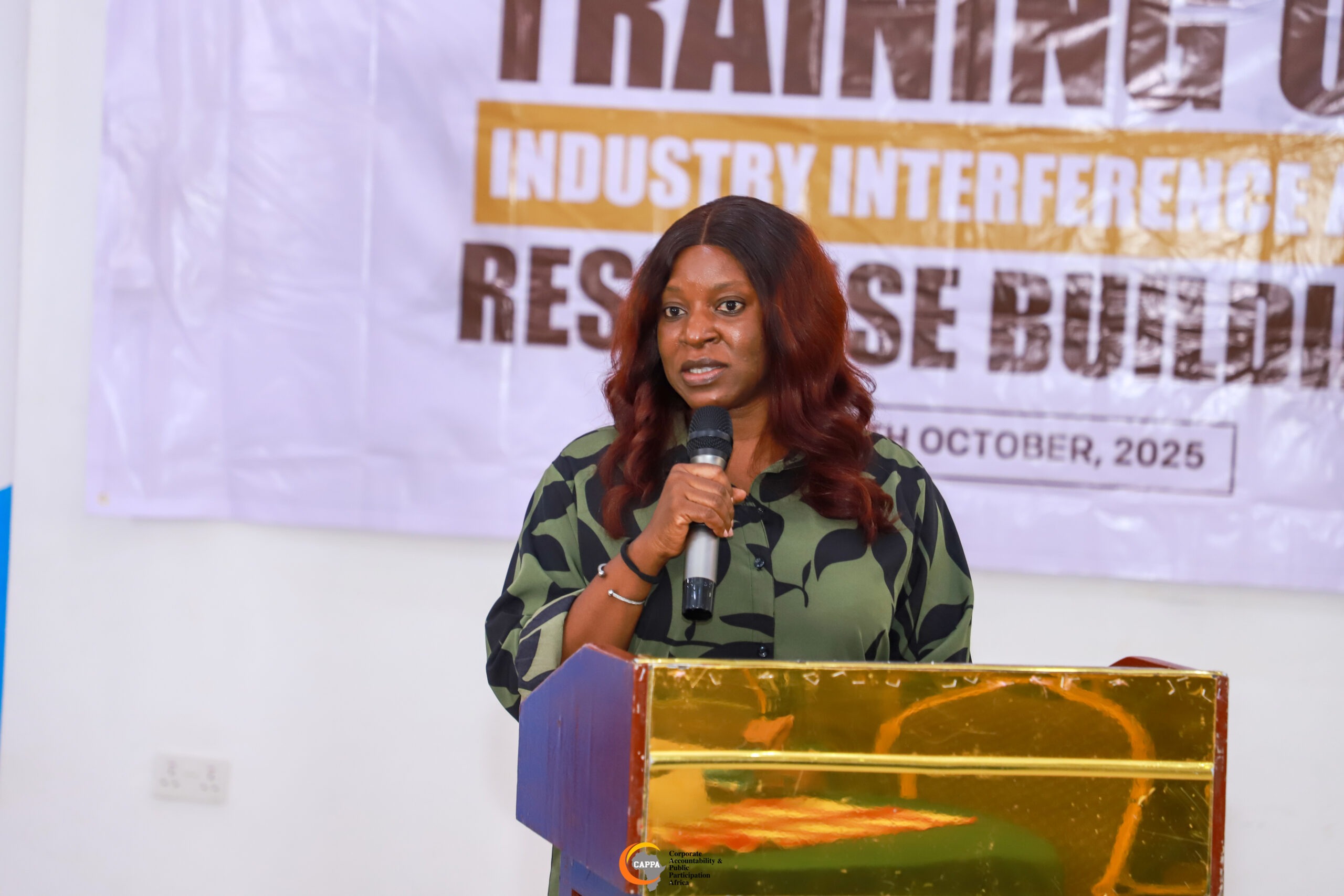
Goodwill messages were delivered by Dr. Jerome Mafeni of the Network for Health Equity and Development (NHED), Louis Sambo of the Centre for Communication and Social Impact (CCSI), Dr. Vanessa Alfa of the University of Abuja Cardiovascular Disease Research Centre, and Joy Amafah of the International Campaign for Cancer (ICC), Nigeria, and the Global Health Advocacy Incubator (GHAI). All expressed continued support for CAPPA’s work and highlighted the media’s crucial role in driving public health awareness.
Presentations
The workshop featured a series of technical sessions led by public health experts and communication specialists.

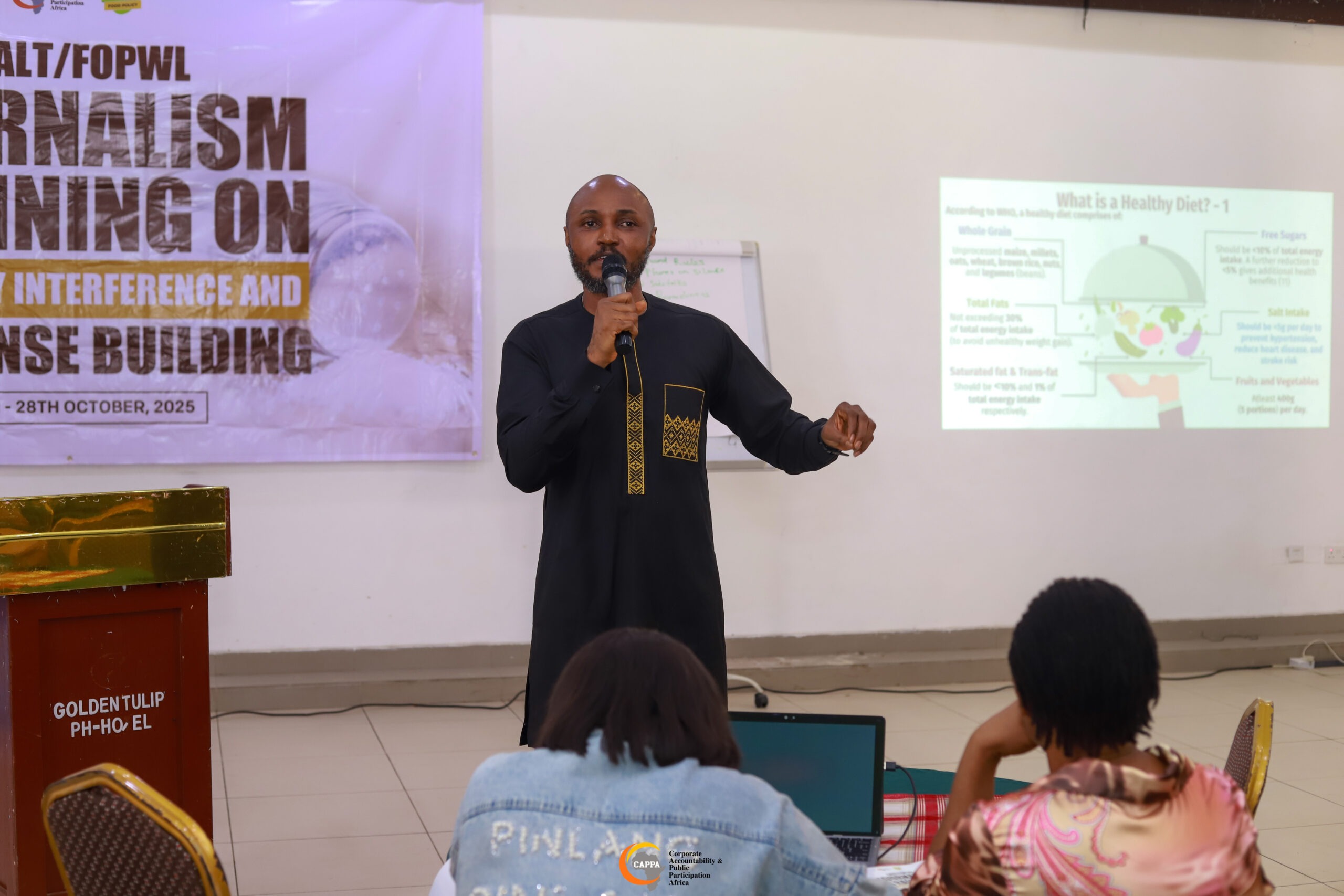
Physician and public health expert, Dr. Joseph Ekiyor presented on “The Health Burden of Excessive Salt Consumption,” noting that reducing global salt intake could prevent up to 1.6 million deaths annually. He lamented that Nigerian staples are high in salt.
“NCDs are expensive to treat, resulting in loss of man-hours due to ill-health, reduced employability, and premature death. Prevention is key, preventing NCDs requires behavioural change that is multisectoral,” Ekiyor added.
Dr. Vanessa Alfa shared findings from the Nigeria Salt Study, which revealed that most Nigerians consume far more salt than recommended, especially in urban areas, and that ultra-processed foods are key contributors.
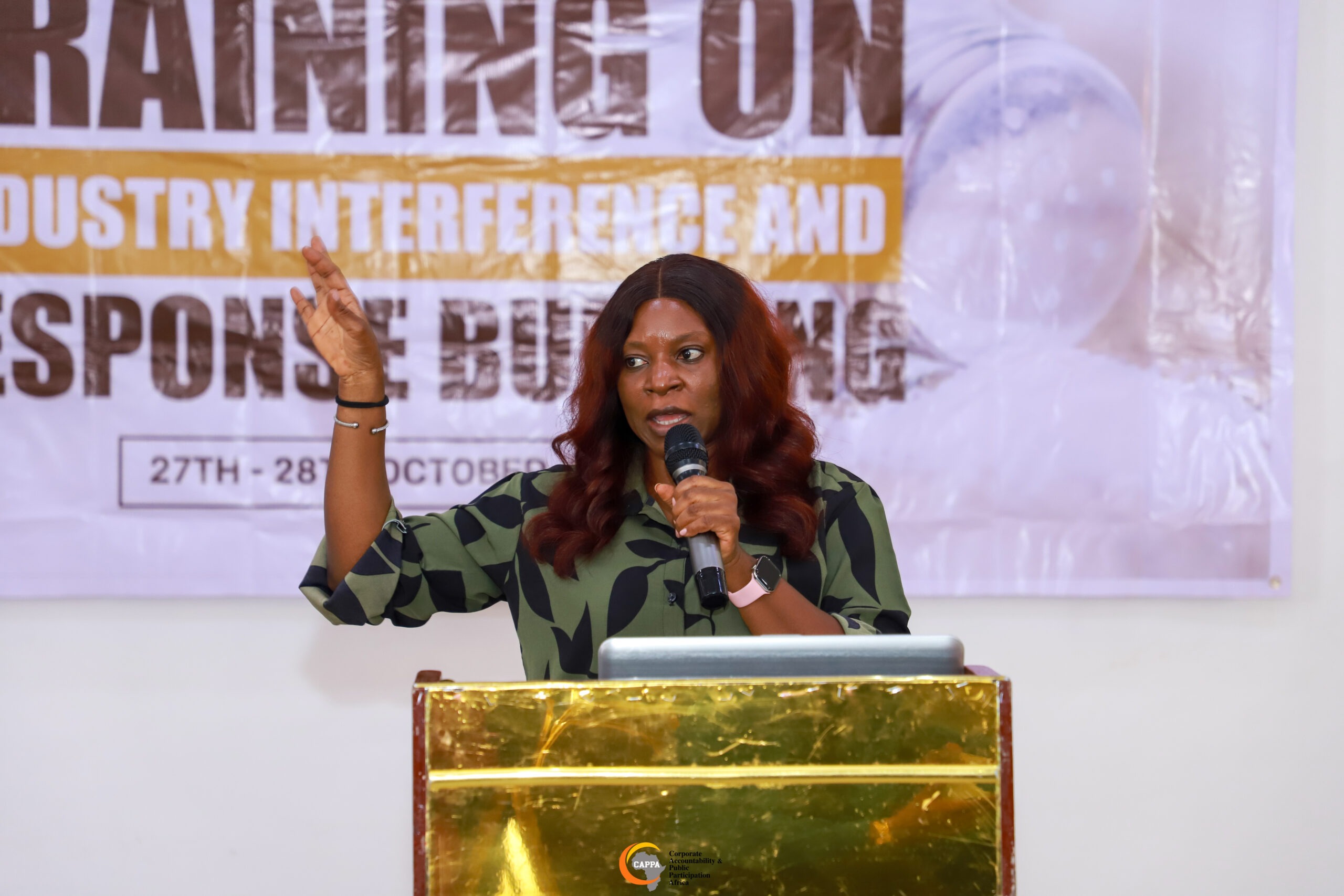
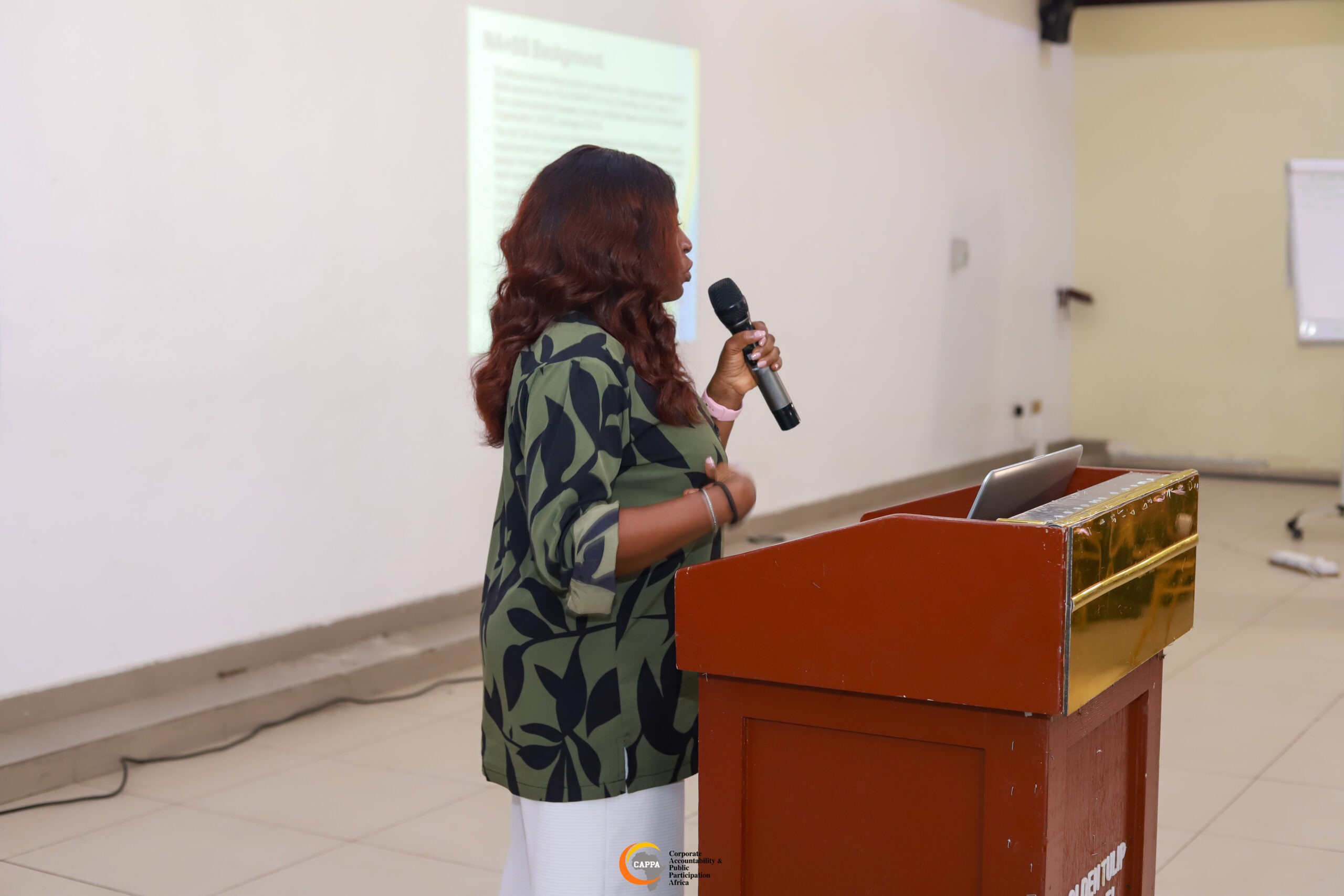
She explained that the study sought out to understand the rise in hypertension in Nigeria, particularly as it relates to salt intake.
“We carried out a stakeholder survey, population survey, and food retail survey. We tested the urine of respondents for 24hours, to assess sodium intake per day,” Alfa explained.
Food scientist and CAPPA’s Program Officer, Cardiovascular Health, Bukola Olukemi-Odele discussed “Salt Targets and Front-of-Pack Warning Labels as Policy Tools,” citing South Africa’s success in mandating salt reduction in processed foods and stressing Nigeria’s adoption of WHO’s SHAKE package as a positive step.

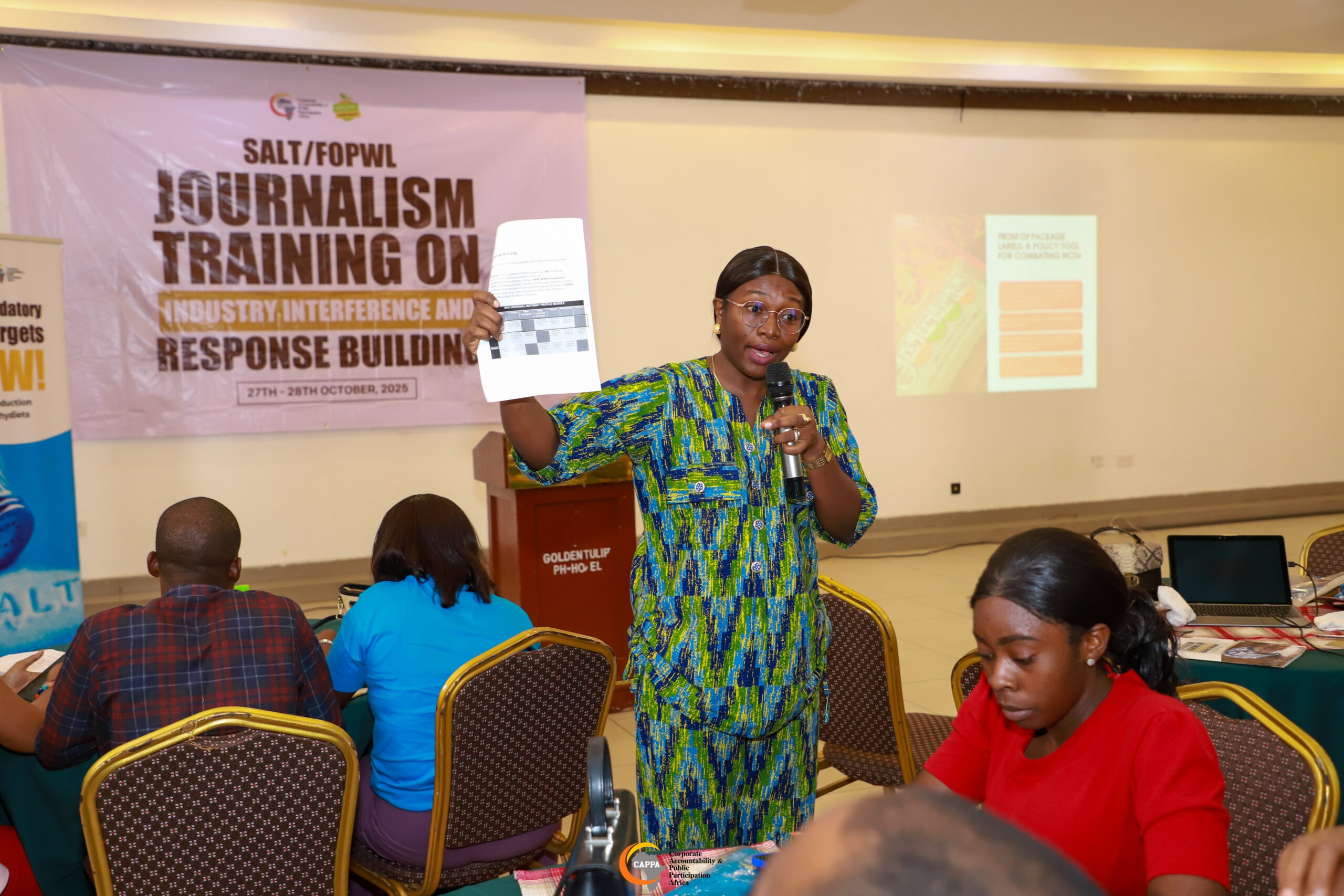
She observed that food corporations had saturated the ecosystem in Nigeria with ultra-processed foods, with many families now consuming junk.
Describing ultra-processed food as one that has undergone heavy industrial processing, Olukemi-Odle aligned with previous speakers on excessive salt intake in the country, which was worsening the country’s NCDs burden, hence the need for policy pathways and tools for mandatory FOPL and salt targets.
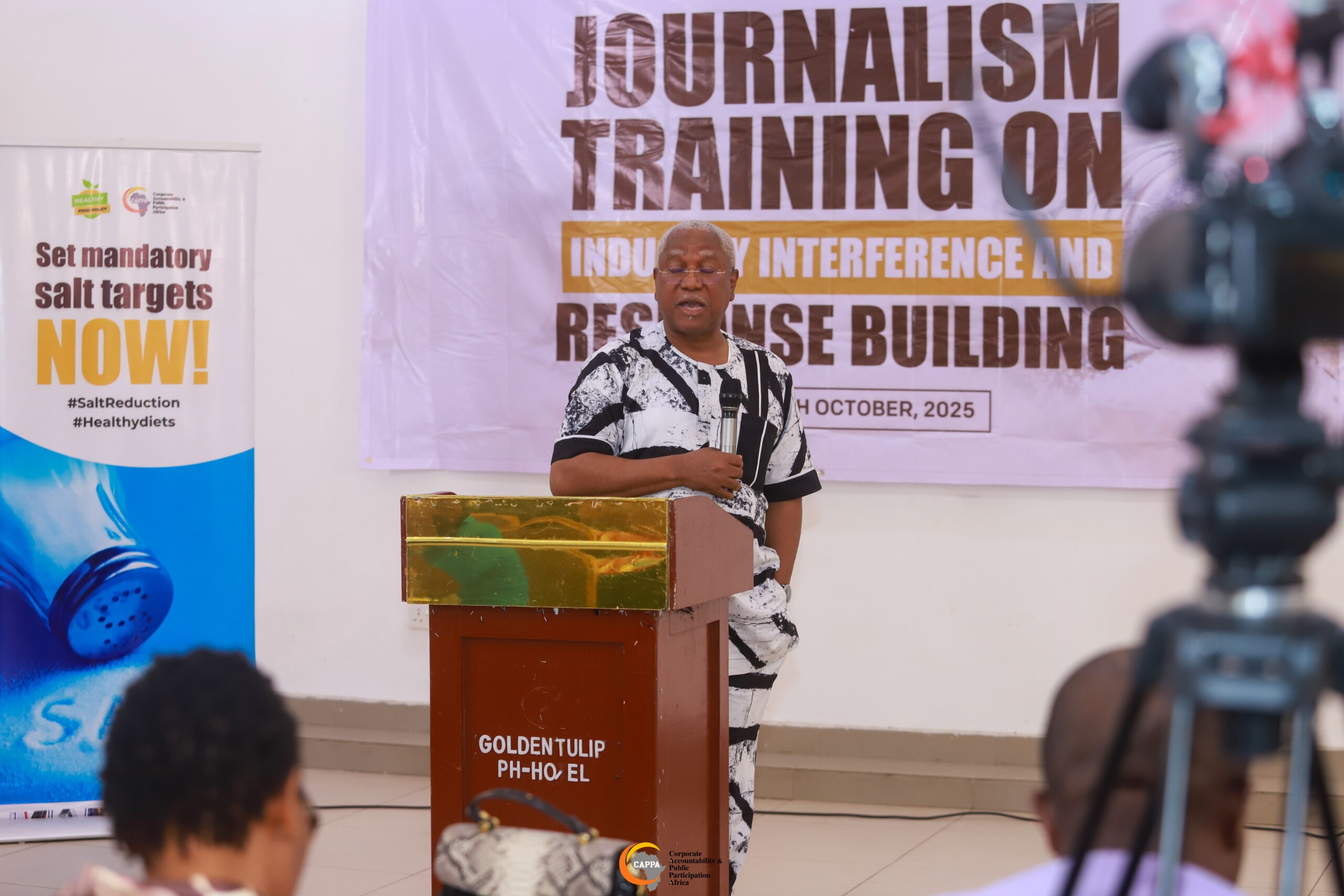
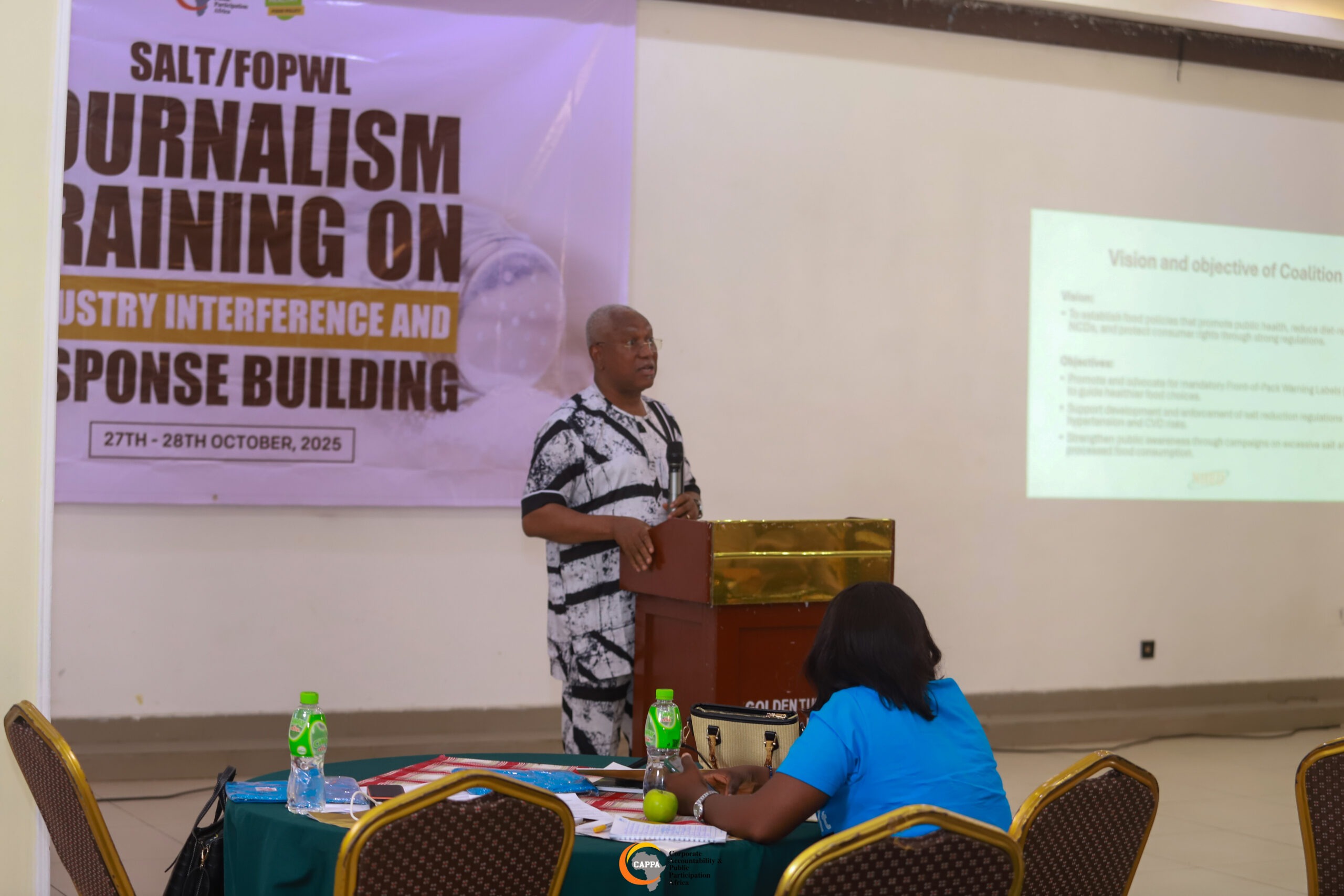
In Dr. Jerome Mafeni’s presentation titled “Coalition Building for Stronger Public Health Policy: A Case Study of Nigeria’s Trans-Fatty Acid/Salt Coalition,” he detailed the journey of Nigeria’s Trans-Fatty Acid/Salt Reduction Coalition, outlining its achievements and challenges in advocating for stronger food policy regulations.
Media, Advocacy Focus
The second day focused on practical communication strategies and industry monitoring. CAPPA’s Assistant Executive Director, Zikora Ibeh, who spoke on “Effective Use of Media for Public Health Advocacy,” urged journalists to use diverse platforms strategically and to craft human-interest stories that drive empathy and policy change.
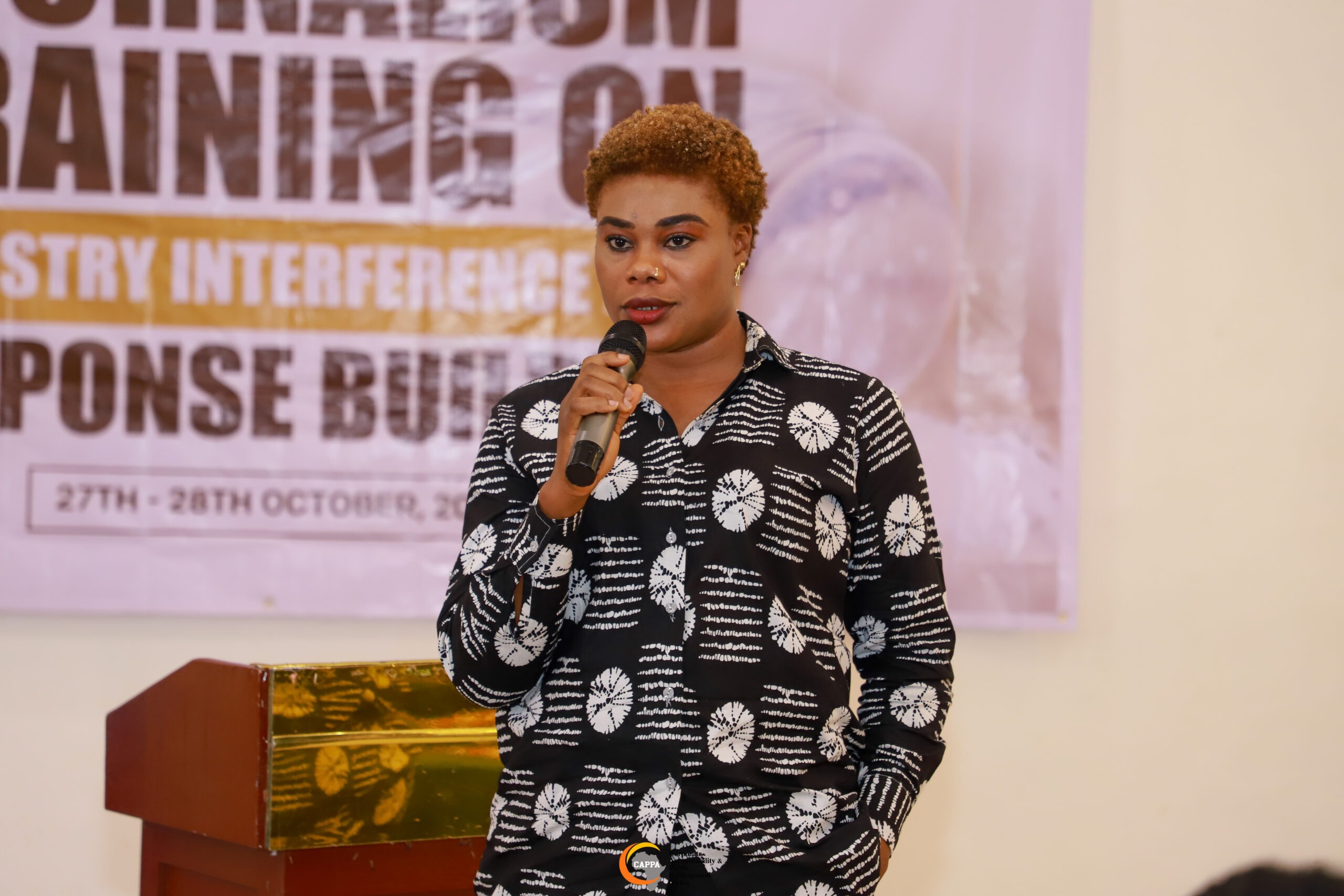
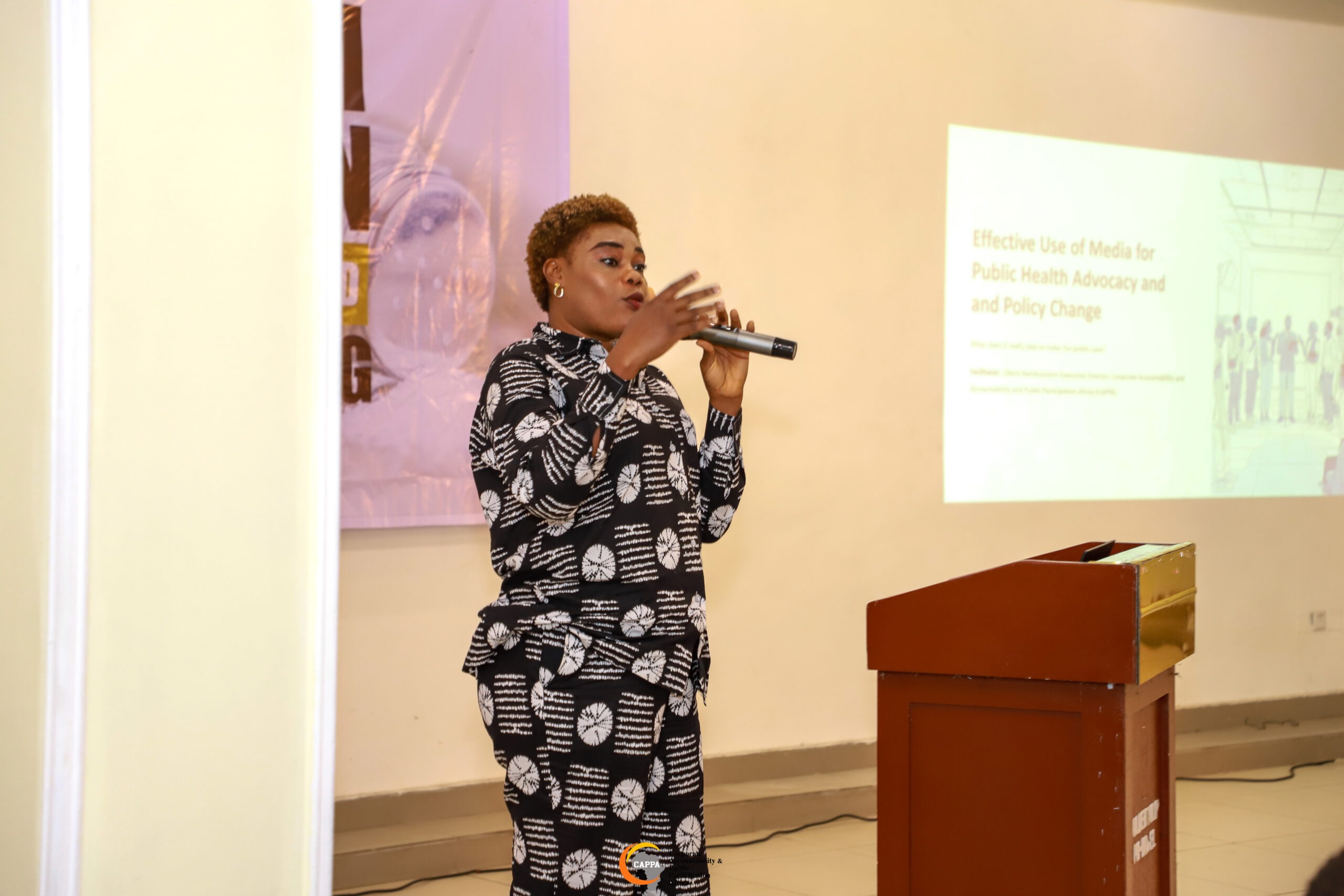
Ibeh emphasised that the media remains a powerful platform with significant influence, despite instances of misuse. People still hold the media in high regard. Therefore, she urged media professionals to take charge of the media landscape to promote the right narratives and appropriately shape public behaviour. Journalists, she advised, should present facts with courage and transparency, reporting from a human angle to make issues more relatable. Stories intended to drive policy change must focus on people; they should be relatable, evoke emotions, and expose inequalities, among other aspects.
She explained that choosing the right platform for disseminating information is also crucial—using radio for mass outreach, newspapers to reach middle-class citizens or policymakers, WhatsApp for grassroots engagement, and social media to connect with the youth. Ibeh pointed out that reporting the same event across different platforms and in various ways can attract substantial attention and coverage, helping to navigate the challenges of a politicised media landscape like Nigeria’s. In conclusion, she stated that to make a meaningful impact as a journalist, one must be ethical, honest, intelligent, and an excellent reporter to drive sustainable policy change.
Abayomi Sarumi unpacked corporate tactics in “Decoding Food Industry Strategies,” highlighting the “3Ds” of industry interference – delay, deny, and dilute – and the use of marketing, lobbying, and misinformation to weaken regulations.


Sarumi explained that industries protect their profits by positioning themselves as allies of the public and claiming to be solutions to public health crises, as well as promoters of sustainable development and economic growth, among other roles. Examples of industry arguments include assertions that Nigerians are not consuming enough salt and sugar and should indulge their taste buds, claims of job losses due to healthy food policies, and warnings of economic decline, among others. Strategies to counter industry interference include publishing articles, human-interest stories, and news reports that criticize industry practices that undermine public health.
In his presentation on “Monitoring and Countering Industry Interference,” Humphrey Ukeaja encouraged journalists to actively track corporate influence through media investigations, digital monitoring, and public reporting, describing such vigilance as key to defending public health.
He emphasized the importance of monitoring industries to reveal unethical practices, gather evidence to support policy positions, hold food companies accountable, and work towards de-normalising ultra-processed products. The goal of these efforts is to identify issues and potential solutions for advocacy, accountability, and enforcement aimed at protecting public health, promoting social justice, and ensuring environmental sustainability. Some tactics commonly used by the industry include aggressive and misleading marketing, endorsements by celebrities and influencers, exploitation of cultural imagery and seasonal events, price-based appeals, deceptive health and nutrition claims, child-focused marketing, and strategic product placement and availability.
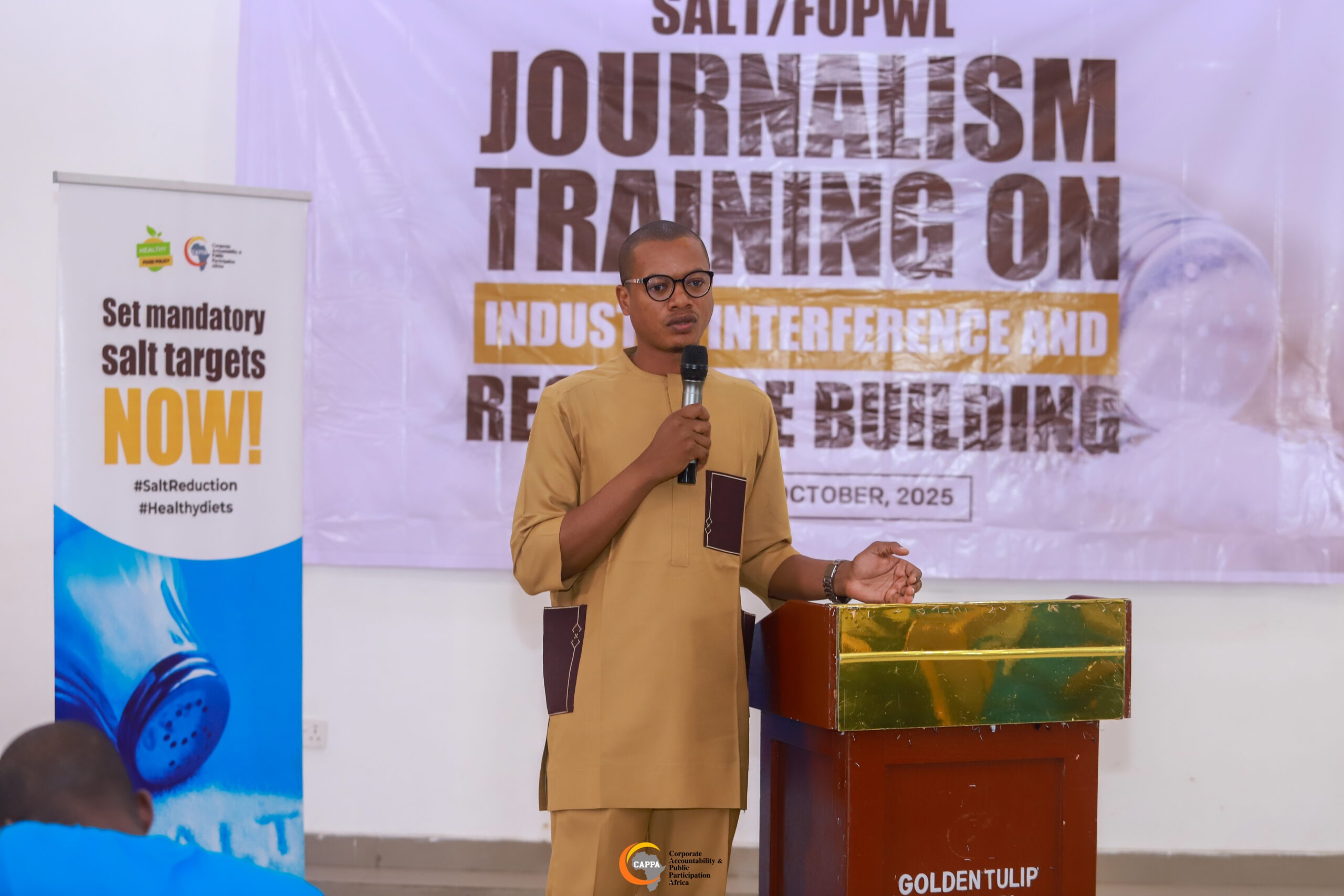

In conclusion, Ukeaja highlighted several tools for monitoring industries, including Google Alerts, site visits, advertisement monitoring, and the analysis of brand websites and product catalogues.
Rounding off the sessions, CAPPA’s Media Officer Robert Egbe spoke on “Media Accountability as a Tool to Hold Industries Accountable,” stressing that responsible, evidence-based journalism remains a powerful weapon against manipulation and weak enforcement.
“When the media upholds its watchdog role,” Egbe said, “public awareness increases, policies strengthen, and corporate behaviour shifts toward transparency and accountability.”
Furthermore, he added that media accountability includes, ensuring that coverage serves the public interest rather than corporate or political interests and encouraging journalists to critically evaluate how industries might attempt to influence, delay, or undermine public health policies.
In the latter part of his presentation, Robert outlined how industries have resisted salt targets and front-of-package labelling (FOPL) campaigns based on CAPPA’s experiences. He noted that as media accountability increases, public awareness and policy advocacy improve, corporate behaviour becomes more transparent and aligned with public health goals, and trust in journalism rises as citizens recognise that the press serves their interests. He also shared strategies for decoding industry claims, identifying false research and propaganda, and guided participants through a practical session to identify policy gaps and industry tactics. This session helped them craft engaging stories, features, and other tools that can be used to hold corporations accountable.
After the presentation, Lois Sambo from the Centre for Communication and Social Impact (CCSI) delivered an energising activity that required journalists to create catchy headlines based on what they had learned during the training. The activity was enjoyable, challenging, and engaging.
Participants took part in group exercises, practical reporting sessions, and headline-writing competitions, applying lessons from the workshop to real-world advocacy scenarios.
In his closing remarks, Sarumi, representing CAPPA’s Executive Director, thanked participants and partners, including the Global Health Advocacy Incubator, for their collaboration. He urged journalists to sustain the momentum by publishing stories that expose industry interference and promote healthier food environments.
The two-day workshop is part of CAPPA’s ongoing effort to build a network of media professionals committed to advancing nutrition, health equity, and accountability in Nigeria’s food system.