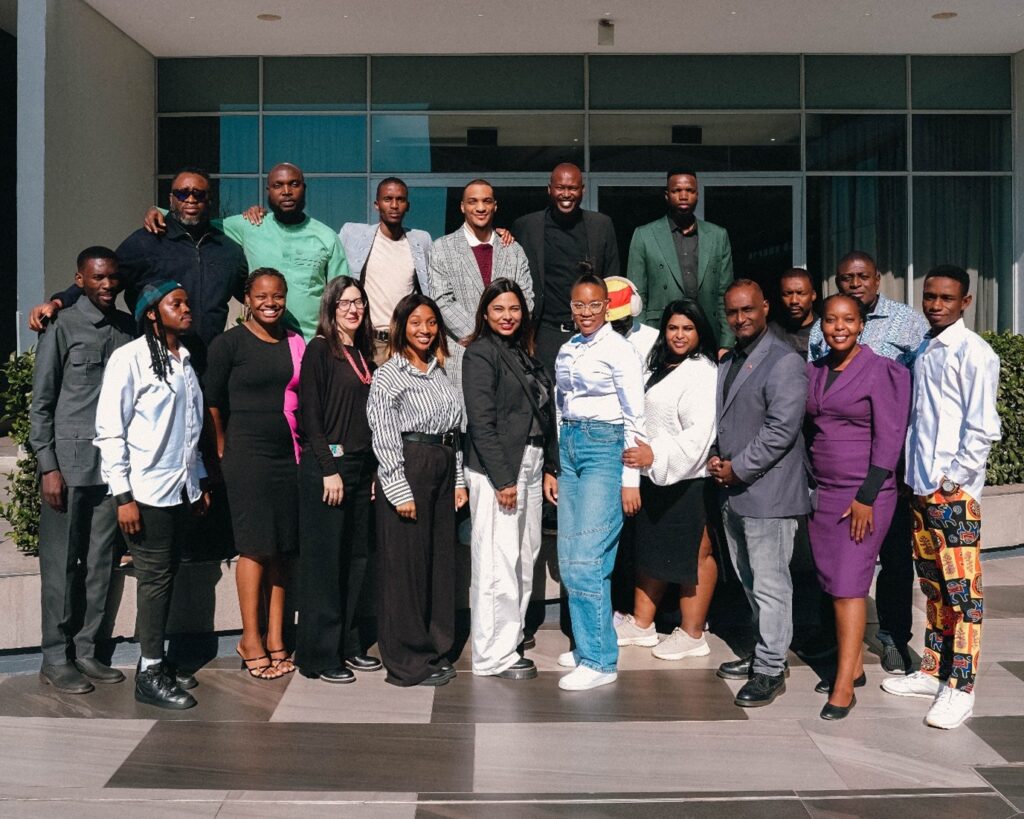
Corporate Accountability and Public Participation Africa (CAPPA) joined Tobacco Control Advocates from across Africa for the 2025 Comms Master Class organised by the Campaign for Tobacco-Free Kids (CTFK). Held in Johannesburg, South Africa between June 3-5, the intensive training marked the grand finale of a month-long virtual learning series focused on strengthening the communications capacity of tobacco control advocates across the continent.
The Master Class brought together changemakers from Nigeria, Zambia, South Africa, and beyond – all united in the mission to counter tobacco industry interference through powerful storytelling, digital advocacy, media mastery, and creative campaigns.
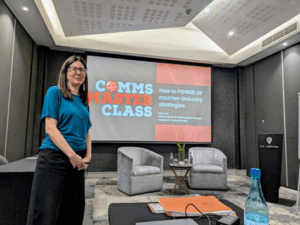
The first day of the workshop kicked off with a powerful session by Elissa Laitin, Associate Director at CTFK, titled “How to Power Up Counter-Industry Strategies.” Elissa introduced a four-part framework—Expose, Isolate, Prosecute, and Expand—to counter the manipulative tactics of Big Tobacco. She emphasised the importance of target mapping as a strategic tool to identify decision-makers, stakeholders, and allies critical to advocacy success. The session concluded with group exercises that explored real-life examples of tobacco industry interference across various countries.
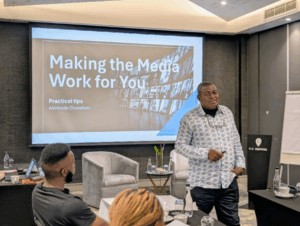
Next was an eye-opening session on media engagement by Akinbode Oluwafemi, Executive Director of CAPPA, titled “Making the Media Work for You.” Akinbode reminded participants that the media is a highly contested space, used by both advocates and the tobacco industry to shape public opinion. He walked participants through the fundamentals of media advocacy: setting clear objectives, crafting compelling messages, identifying target audiences, and choosing the right channels. He also highlighted the need for advocates to build strong relationships with the media, understand newsroom cycles, and always be ready with a key message.
“The media is not your enemy or your friend, it is a tool, and everything depends on how well you use it,” he concluded.
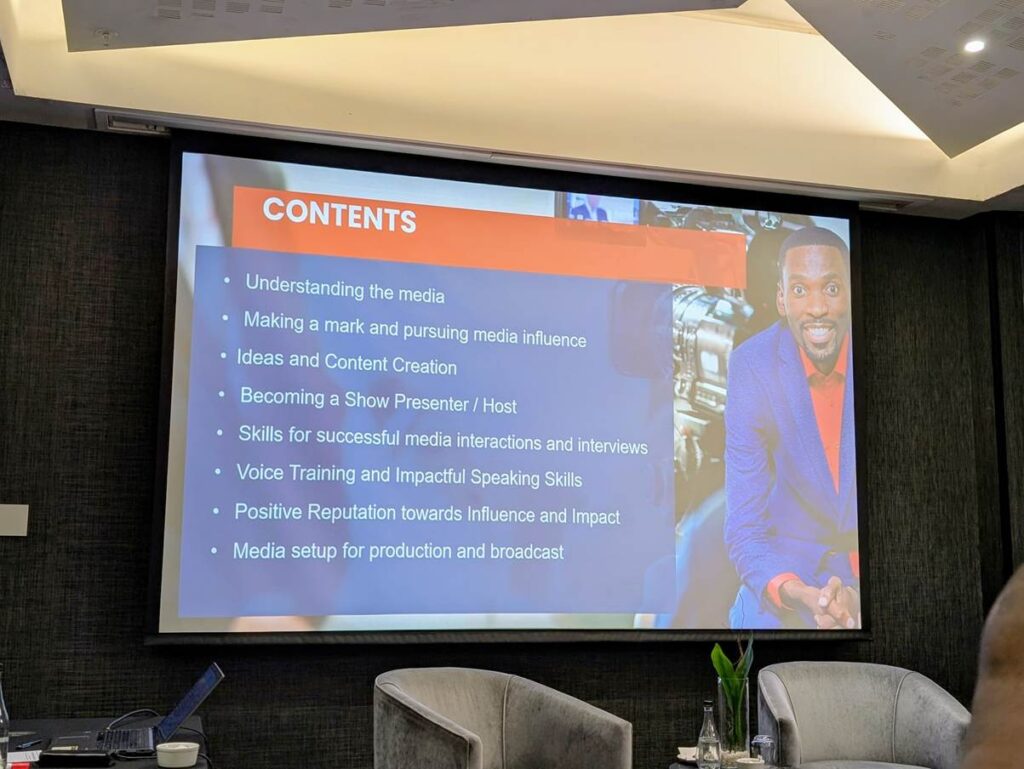
The day concluded with immersive, hands-on learning through one-on-one mentoring sessions with communications experts and facilitators, followed by a dynamic practical workshop titled “Mastering the Media” led by Master Chimbala, a communications specialist. Participants were paired for mock interviews, sharpening their public speaking abilities, voice control, and on-camera confidence. From crafting clear messages to perfecting wardrobe choices and body language, the session transformed media theory into practical, real-world skills
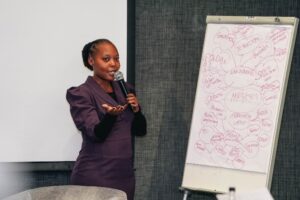



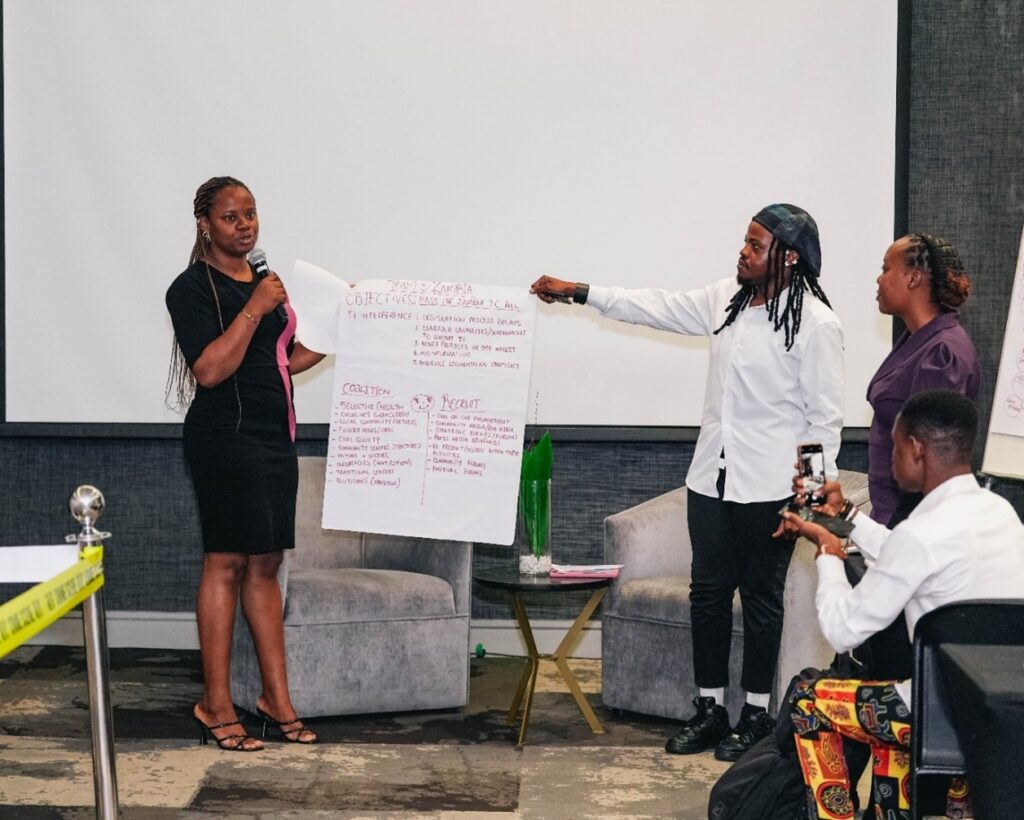
Day two built on the foundation laid earlier, with country teams presenting strategies on how to counter tobacco industry interference in their contexts. Participants reflected on their 2025–2026 tobacco control goals and identified key targets and potential allies. This exercise reinforced the importance of coalition-building. The larger and more united the coalition, the stronger and more formidable we become in resisting the tobacco industry. But when we operate in silos or as smaller unit, it becomes easier for the industry to isolate and target us individually.
Adewunmi Emoruwa, Lead Strategist at Gatefield delivered the next session, which focused on “The Art of Digital Advocacy.” He introduced the theory of change and unpacked how digital platforms can be used to amplify advocacy efforts. He outlined key success ingredients for effective digital campaigns: data-driven storytelling, compelling visuals, strong voices, clear asks, and grassroots engagement.
“Every campaign should answer three questions: What’s the problem? What’s the ask? What’s the solution?” he noted.
The day’s creative peak came with Joash Daniel of CART Agency, whose session, “AdvoCreate,” bridged the gap between advocacy and creativity. “Data alone is not enough,” Joash said. “Truth needs a storyteller. Facts need a heart.” He walked participants through a framework that centred storytelling as the soul of advocacy. Through the lens of culture and creativity, Joash showed how advocacy campaigns must move beyond awareness to spark action and societal shifts. “Every advocate is a creative,” he declared, “and creativity is the soul of advocacy. Make it felt. Make it bold. Make it matter.”
DAY 3
The final day brought everything together with a practical team exercise: designing a regional campaign strategy. Country teams collaborated to develop cross-border approaches for countering tobacco industry interference, applying all the tools and insights gathered throughout the Master Class—from conceptualising an idea to message framing and media planning to creative design. Indeed, the CTFK Comms Master Class 2025 served as catalyst for building a stronger, more strategic, and united community of tobacco control advocates.
For CAPPA, the opportunity not only sharpened our organisation’s communication skills but also broadened our network of allies in the global fight against Big Tobacco.