Between May 8 to 9, 2025, Corporate Accountability and Public Participation Africa (CAPPA) held a two-day technical engagement with Senior Legislative Aides (SLAs) of the National Assembly. The engagement brought together eighteen SLAs to deepen their understanding of Sugar-Sweetened Beverage (SSB) taxation, assess its potential for improving public health outcomes, and explore pathways for strengthening Nigeria’s legislative and regulatory frameworks.
The convening focused on the urgent need to address the rising prevalence of non-communicable diseases (NCDs) such as diabetes, obesity, hypertension, and cardiovascular disease, which now account for over 30 percent of annual deaths in Nigeria. Participants examined the current limitations of Nigeria’s SSB tax policy, particularly the ineffectiveness of the N10 per litre tax introduced through the 2021 Finance Act and discussed the need to scale the tax up to at least N130 per litre in order to significantly reduce consumption and raise dedicated funding for health services.
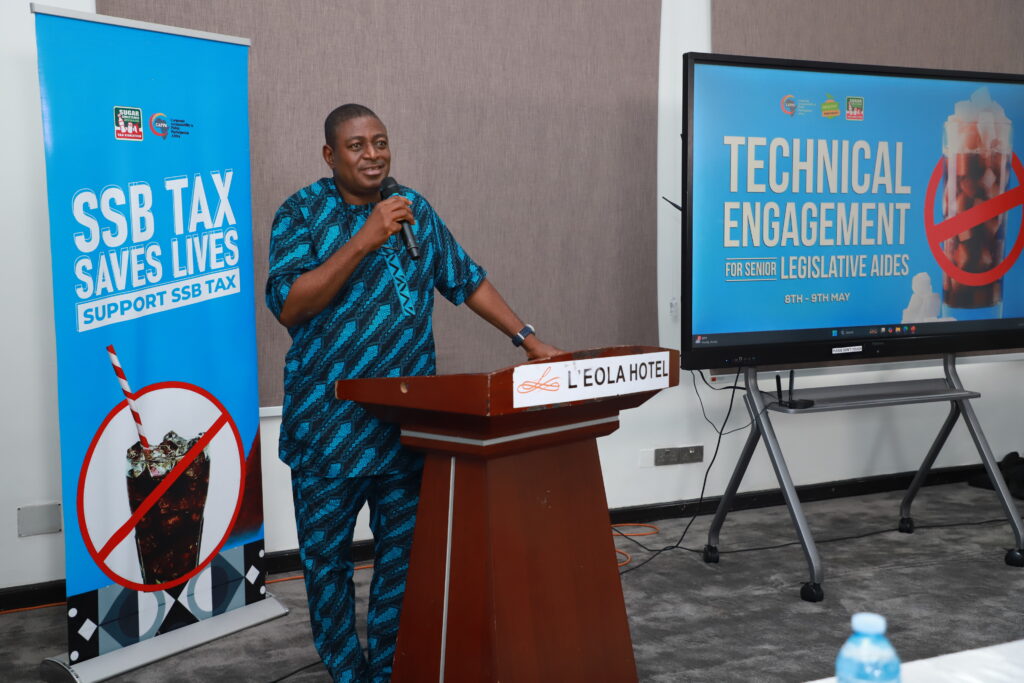
Delivering his opening remarks, CAPPA’s Executive Director, Akinbode Oluwafemi, emphasised the link between excessive sugar consumption and the country’s growing NCD burden. He stated that Nigeria’s public health response must prioritise prevention through robust fiscal policies, and urged legislative aides to push for regulations that could both discourage the unhealthy consumption of SSBs and other unhealthy diets. He also called attention to the influence of food and beverage companies in delaying or diluting health-focused policy proposals, stressing that public interest must take precedence over commercial lobbying.
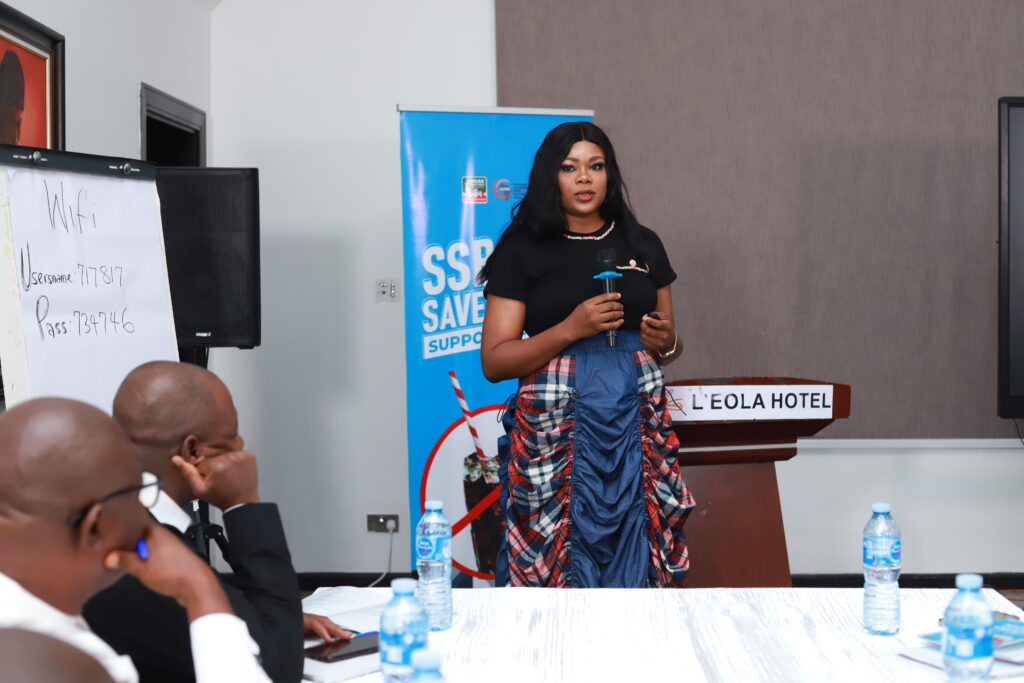
Reinforcing this message, Zikora Ibeh, CAPPA’s Director of Programmes and Assistant Executive Director, discussed the imperative of Building mass Support for Policy and Legislative Advocacy for Food Justice. She noted that unequal access to nutritious foods, growing corporate influence, and weak enforcement structures had created a food environment where unhealthy diets have become normalised. Ibeh framed SSB taxation as part of a wider legislative toolkit that includes front-of-pack warning labels, advertising restrictions, and regulation of industry practices. She also underscored the need for lawmakers to remain vigilant against corporate interference in policy formulation and implementation.

Speaking about SSBs, Unhealthy Diets, and Nigeria’s NCD Burden, Dr. O. Owopetu, a medical practitioner, provided a clinical overview of the NCDs crisis, presenting recent data that placed Nigeria among the top four global consumers of sugary drinks. She detailed how this consumption pattern is contributing to increased hospital admissions, healthcare costs, and mortality, arguing that without timely policy interventions, the country could face a full-scale public health emergency. She called for stronger regulatory enforcement and public education alongside taxation measures.

From an economic standpoint, public policy analyst Austin Iraoya unpacked the SSB Tax as a People-Friendly public Health Intervention by addressing misconceptions about the tax being regressive. Using case studies from South Africa and Chile, where similar taxes led to significant drops in SSB consumption, he demonstrated that such policies are effective and progressive when paired with transparent revenue utilisation. Iraoya projected that Nigeria could generate up to N729 billion annually from a higher tax rate, especially if revenues are earmarked for health and nutrition programs that directly benefit communities.
An update on the ongoing SSB Tax Campaign and the Journey So Far was presented by CAPPA’s SSB Tax Programme Officer Opeyemi Ibitoye, and Shade Oyelade-Osi, CAPPA’s Policy and Legal Drafting Officer. They reported that a draft bill proposing an increase in the SSB tax has already passed its first reading in the National Assembly. Additionally, they highlighted recent developments such as the inauguration of an inter-ministerial ad hoc committee on SSB taxation by the Federal Ministry of Health and Social Welfare, and the expansion of a pro-SSB tax civil society coalition programme to include youth led advocacy. Despite these gains, the presenters identified several challenges, including limited coordination among stakeholders, industry resistance, and widespread public misconceptions about the purpose and impact of the tax.
Day Two of the engagement focused on Nigeria’s Pre- and Post-Tax Bill: Pros and Cons of Existing Legislation. In her analysis of Nigeria’s legislative approach to taxing sugar-sweetened beverages (SSBs), Shade Oyelade-Osi underscored both progress and critical shortcomings. While the 2021 Finance Act marked a step forward with a N10-per-litre levy, she argued the rate remains too low to meaningfully curb consumption or bolster public health funding. Contrasting Nigeria’s model with global success stories, she highlighted nations that pair higher tax rates with dedicated health investments, demonstrating a proven path to reducing lifestyle-related diseases.

Shade acknowledged foundational strengths in existing laws, such as the National Health Act and FCCPC Act, which could empower stricter regulation. Yet systemic gaps persist such as lax enforcement, unchecked industry influence, and a failure to earmark revenues for health initiatives undermine progress. Her blueprint for reform called for modernising the Customs Excise Act to adopt tiered, evidence-based taxation, coupled with robust public education campaigns and transparent monitoring systems. Crucially, she urged legislative champions to prioritise comprehensive reforms—aligning fiscal policy with Nigeria’s health priorities to safeguard future generations.

Ms. Irene Omnike, SLA to Senator Ipalibo Harry Banigo’s presentation delved into the specifics of the Finance Act 2021, critiquing its limitations and proposing pathways for enhancement. She argued that the current N10 per litre tax rate is too low to achieve significant public health or revenue benefits, advocating for an increase to N130 per litre or an imposition of a 20 Ad-valorem rate on SSBs. Irene emphasised the importance of earmarking SSB tax revenues to fund universal health coverage, nutrition education, and primary healthcare services, which would increase public support and ensure transparency. She also addressed industry resistance and policy gaps, such as weak monitoring and lack of coordination among government agencies. Drawing lessons from Mexico and the Philippines, Irene demonstrated how earmarked SSB taxes have successfully funded health initiatives in other countries. She urged legislative aides to champion evidence-based reforms, engage in robust stakeholder consultations, and push for amendments that uphold equity and fiscal justice
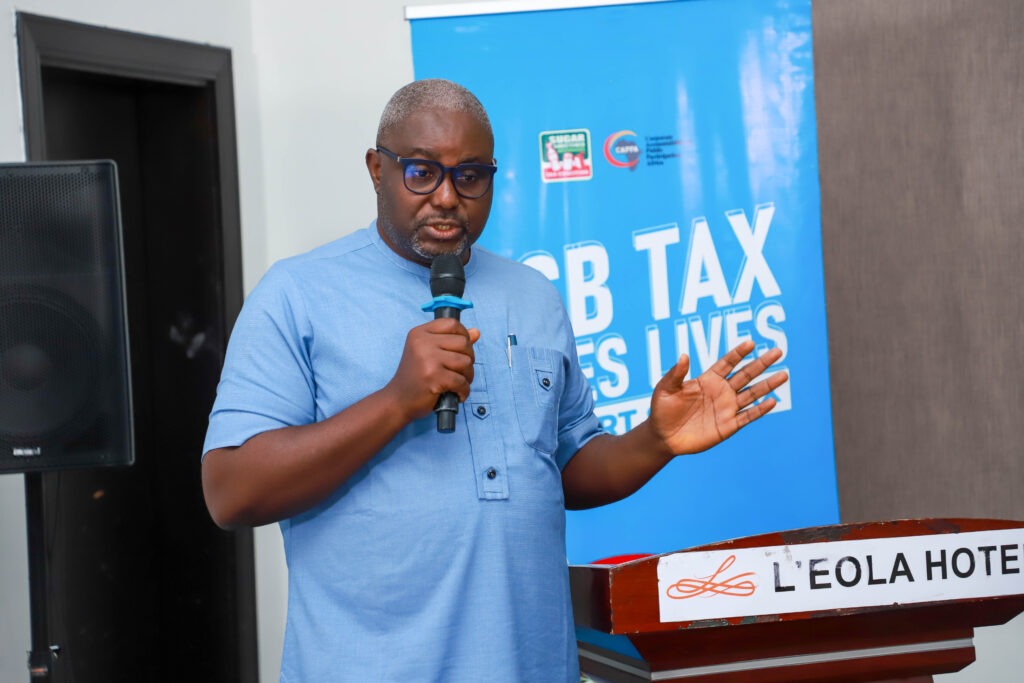
Bringing a historical lens to the conversation, Nyitse Tordue Nyitse, Clerk of the Health Services Committee at the National Assembly, recounted key Legislative Advocacy Lessons from Nigeria’s Tobacco Control Journey—a campaign long shaped by fierce corporate lobbying, misinformation, and prolonged policy inertia. He underscored the strategic value of forging alliances both within the legislature and across civil society, maintaining consistent public pressure, and grounding advocacy in robust evidence. Drawing critical parallels between the tobacco industry and the current practices of the food and beverage sector, Nyitse urged Senior Legislative Aides (SLAs) to adapt the hard-earned lessons of tobacco control to the ongoing push for Sugar-Sweetened Beverage (SSB) tax reforms. He emphasised the need for unwavering focus, strategic persistence, and coordinated action in overcoming resistance and advancing public health legislation.

The engagement concluded with a planning session where participants reflected on ways to move the policy agenda forward. They discussed the importance of identifying champions within the National Assembly to sponsor relevant amendments and emphasised the need for stronger collaboration with key committees to ensure the inclusion of non-communicable disease funding in health legislation. Legislative aides also committed to supporting efforts to earmark SSB tax revenues for health promotion and to develop clear, accessible policy briefs that can aid public education and counter misinformation.
By the end of the two-day forum, it was evident that the role of SLAs goes beyond technical support, they are critical actors in the legislative process who can shape, accelerate, or stall major public health reforms. With Nigeria’s NCD burden continuing to grow, the policy window for bold action remains open. CAPPA’s engagement reinforced the importance of legislative alignment, policy coherence, and multi-sectoral collaboration in delivering health outcomes that are both equitable and sustainable.