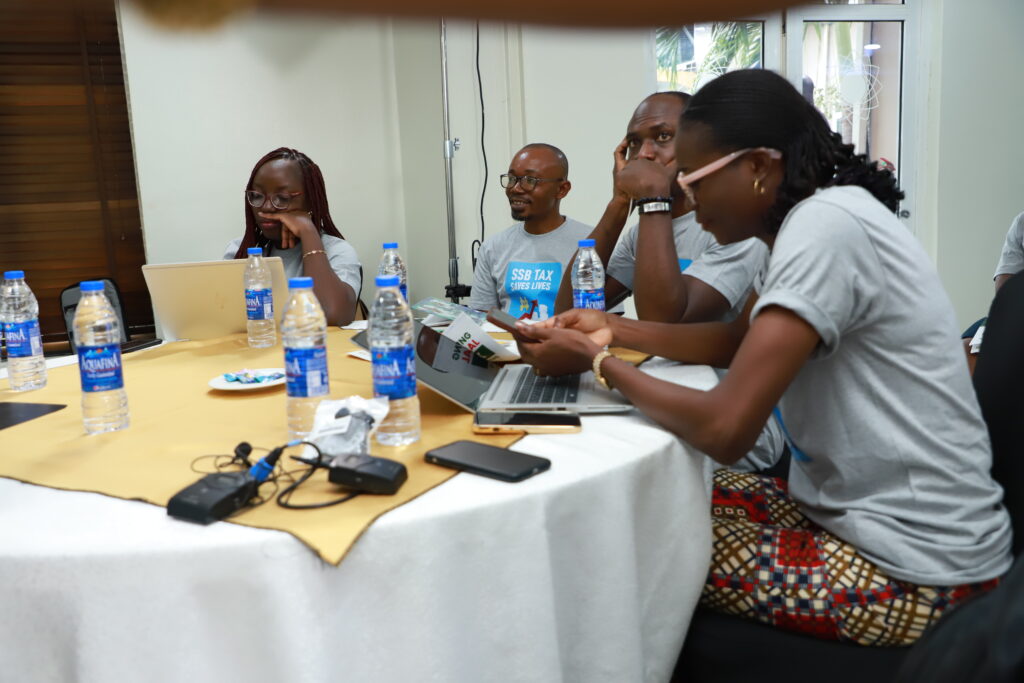
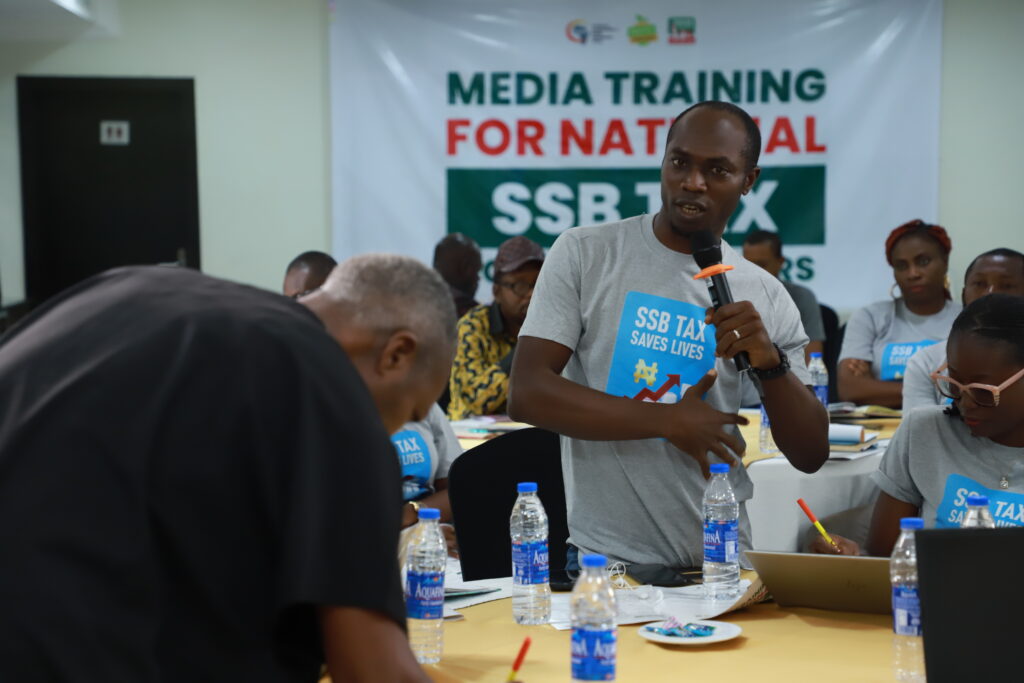
The National Sugar-Sweetened Beverages (SSB) Tax Coalition, in partnership with Corporate Accountability and Public Participation Africa (CAPPA), held a two-day technical engagement on media advocacy from May 5 to 6, 2025, at Amber Residence, Ikeja, Lagos State. The meeting brought together over 25 coalition members and representatives from across Nigeria to deepen their understanding of strategic communications and build capacity to effectively promote SSB tax policies through media platforms.
Opening the session, Opeyemi Ibitoye, SSB Tax Programme Officer at CAPPA, set the tone by highlighting the goal of the meeting: to equip coalition members with skills to leverage traditional and digital media in amplifying support for healthy food policies. According to her, strengthening media advocacy is central to increasing public awareness about the harms of sugary drinks and mobilising stronger support for the SSB tax as a public health intervention.

In his welcome remarks, CAPPA’s Executive Director, Akinbode Oluwafemi, outlined the public health crisis posed by the widespread consumption of sugar-sweetened beverages in Nigeria. He linked the growing rates of diabetes, obesity, and cardiovascular diseases to the aggressive marketing and availability of sugary drinks. Oluwafemi explained that the National SSB Tax Coalition was formed to respond to this crisis by advocating for policies such as the SSB tax, which has proven effective in other countries at reducing sugar consumption and generating revenue for health services. He stressed, however, that policy alone is not enough: sustained advocacy and strategic media engagement are required to drive public understanding and pressure for implementation.

Dr. Adeniyi Oginni, Senior Fellow at the Health Financing Hub, Africa Economic Forum, delivered a detailed presentation titled Building Public Health Advocacy: A Case Study of the SSB Tax Movement in Nigeria. He traced the coalition’s evolution from initial evidence-gathering efforts to policy engagement and resistance to industry pushback. Oginni emphasised the dual role of the SSB tax as a fiscal measure and a preventive health tool. He shared lessons from other countries, including Ghana, South Africa, and Mexico, where similar taxes have led to measurable reductions in sugary drink consumption and improvements in public health. He urged the coalition to push for both an increase in the current N10 per litre tax and for the earmarking of revenues toward health initiatives.
Health Impacts of SSBs
Dr. O.O. Owopetu, Consultant Public Health Physician at the University College Hospital, Ibadan, gave a session titled Double Burden of Malnutrition: Examining SSB Consumption as a Contributor to Increasing NCDs in Nigeria. She presented alarming data showing Nigeria’s rank as the fourth-largest consumer of sugary drinks in the world. Dr. Owopetu explained how excessive SSB consumption is fueling a rise in non-communicable diseases (NCDs), including obesity, diabetes, and heart conditions. She warned that the burden of these illnesses is not only medical but also economic—affecting productivity, household income, and long-term national development. She called for a holistic approach that includes regulation, taxation, and public education.
Dr. Edafe Oluwatosin of the Centre for the Study of the Economies of Africa (CSEA) built on this with a session titled SSB Tax as a Preventive Tool for NCDs. She broke down the economic rationale for the tax, explaining that approximately 184,000 deaths globally are linked annually to sugary drink consumption. She discussed both direct and indirect costs of NCDs, noting that out-of-pocket health expenses are especially devastating for low-income households. Citing economic modelling, Dr. Oluwatosin argued that the current N10/litre SSB tax in Nigeria is insufficient and proposed an increase to N130/litre to make the tax more impactful.
Day 2: Building Media Strategy for Public Health Advocacy
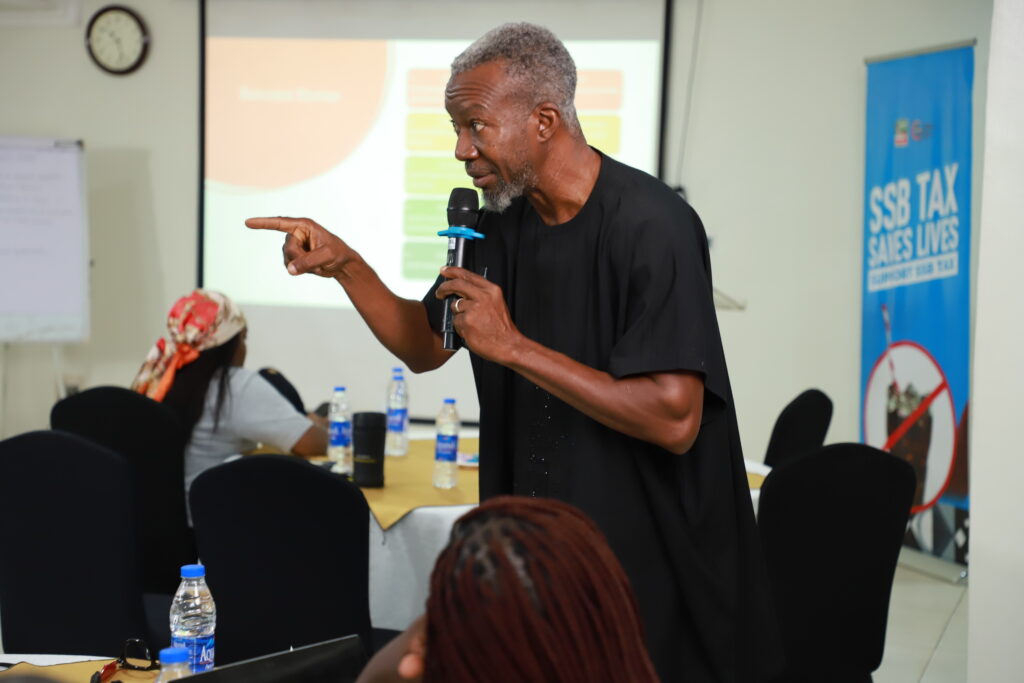
The second day of the training shifted focus entirely to communications strategy. Akin Jimoh, Chief Editor of Nature Africa, facilitated an in-depth session on working with the media to support public health advocacy. He trained participants on message development, the use of storytelling, and relationship-building with journalists. Jimoh urged the coalition to use human-interest stories and culturally relevant narratives to personalise the SSB tax campaign. He stressed that emotional and community-rooted messaging can make public health issues more relatable and urgent to both the public and policymakers.
Abayomi Sarumi, Associate Director for Healthy Food Policy at CAPPA, followed with a session on designing effective digital campaigns. He walked participants through strategies for using social media to target youth audiences and build public momentum.
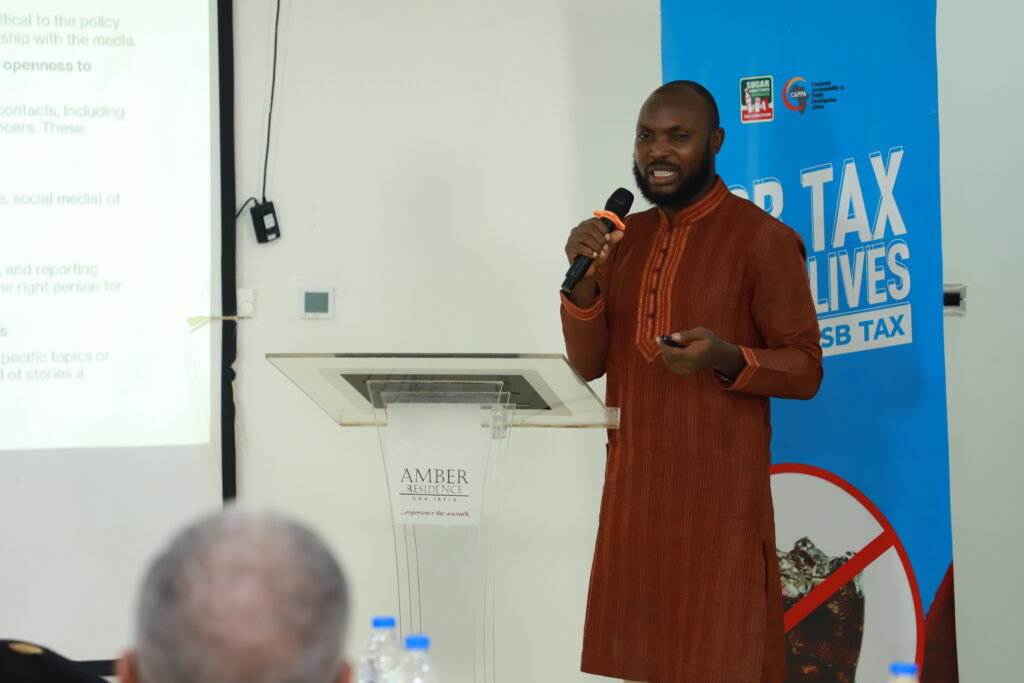
Robert Egbe, CAPPA’s Media and Communications Officer, then led a practical session on engaging traditional media outlets—print, broadcast, and online. He provided tips on how to pitch stories, hold media briefings, and maintain consistent media engagement.
The two-day engagement provided a platform for participants to engage in group discussions, share campaign experiences, and raise practical questions related to content development, media engagement, and digital targeting. By the close of the meeting, coalition members left with a renewed commitment to amplify public health messaging and utilise strategic media tools to support advocacy for stronger regulation of sugar-sweetened beverages in Nigeria.
Read the communique of the meeting here