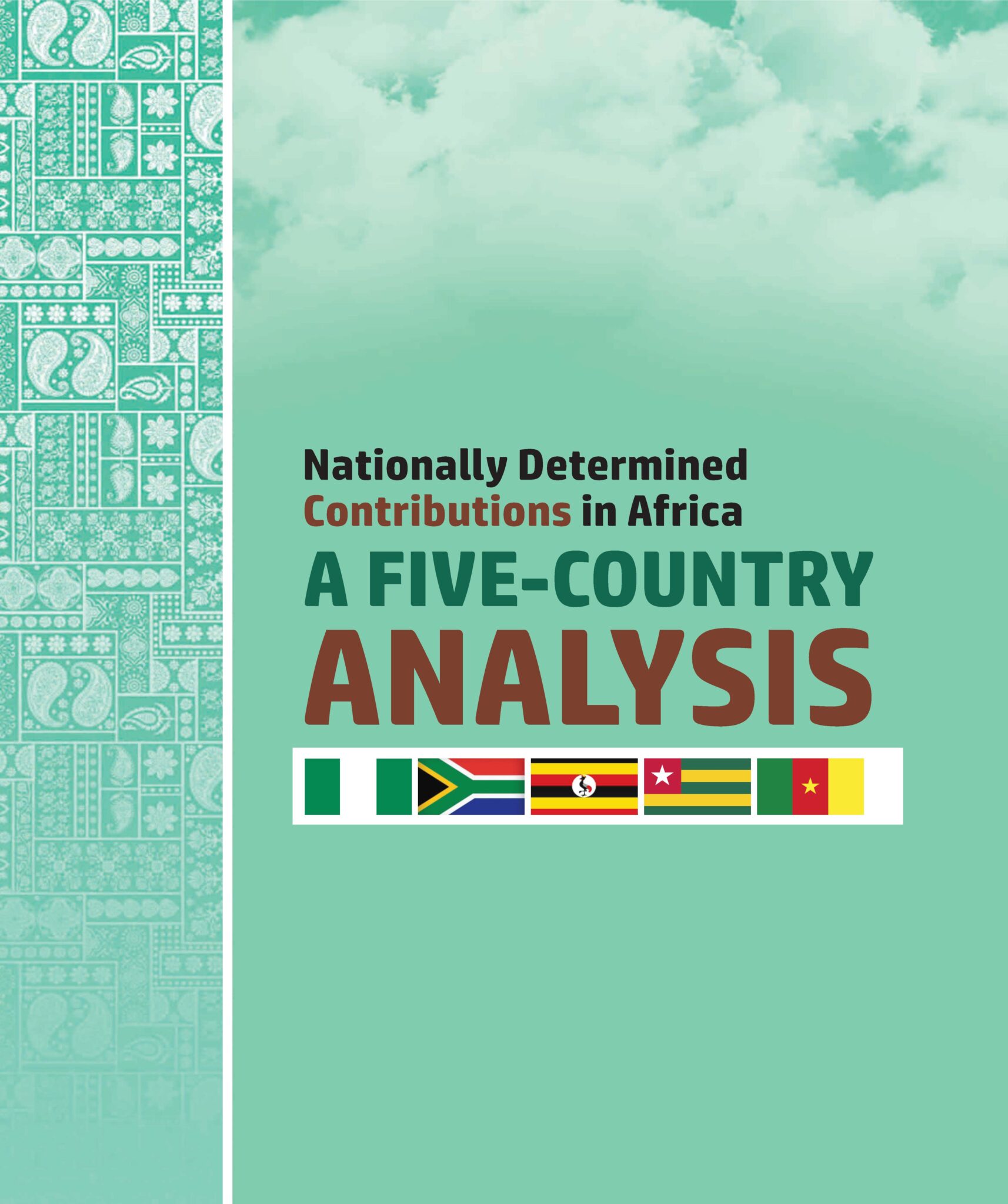
This report examines the Nationally Determined Contributions (NDCs) of five African countries: Nigeria, South Africa, Uganda, Togo and Cameroon. It assesses how these countries are responding to climate change through their emissions-reduction commitments and broader climate policies. The report highlights the contradiction between their commitments to a green energy transition and their continued dependence on fossil fuels, particularly oil and natural gas. It argues that rather than prioritising actual emissions reductions and a gradual shift away from fossil fuels, several countries are relying heavily on carbon markets, carbon offsets, net-zero commitments and other market-based mechanisms under Article 6 of the Paris Agreement. The report also raises concerns about the increasing use of forests and land-based carbon sinks to compensate for emissions, which can encourage land grabbing, displacement of local communities and the disruption of traditional livelihoods. Nigeria, for instance, promotes renewable energy while simultaneously expanding its reliance on natural gas.