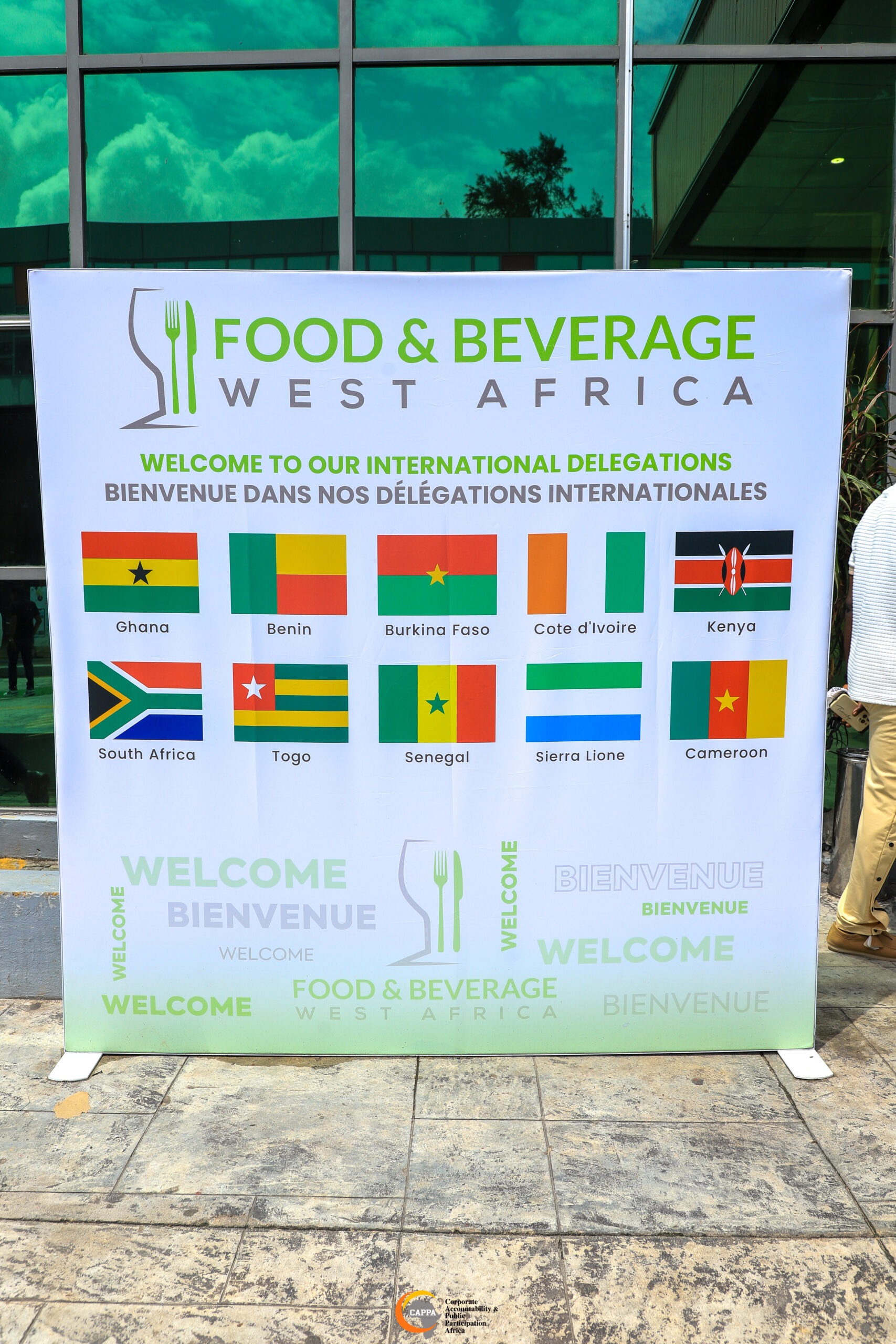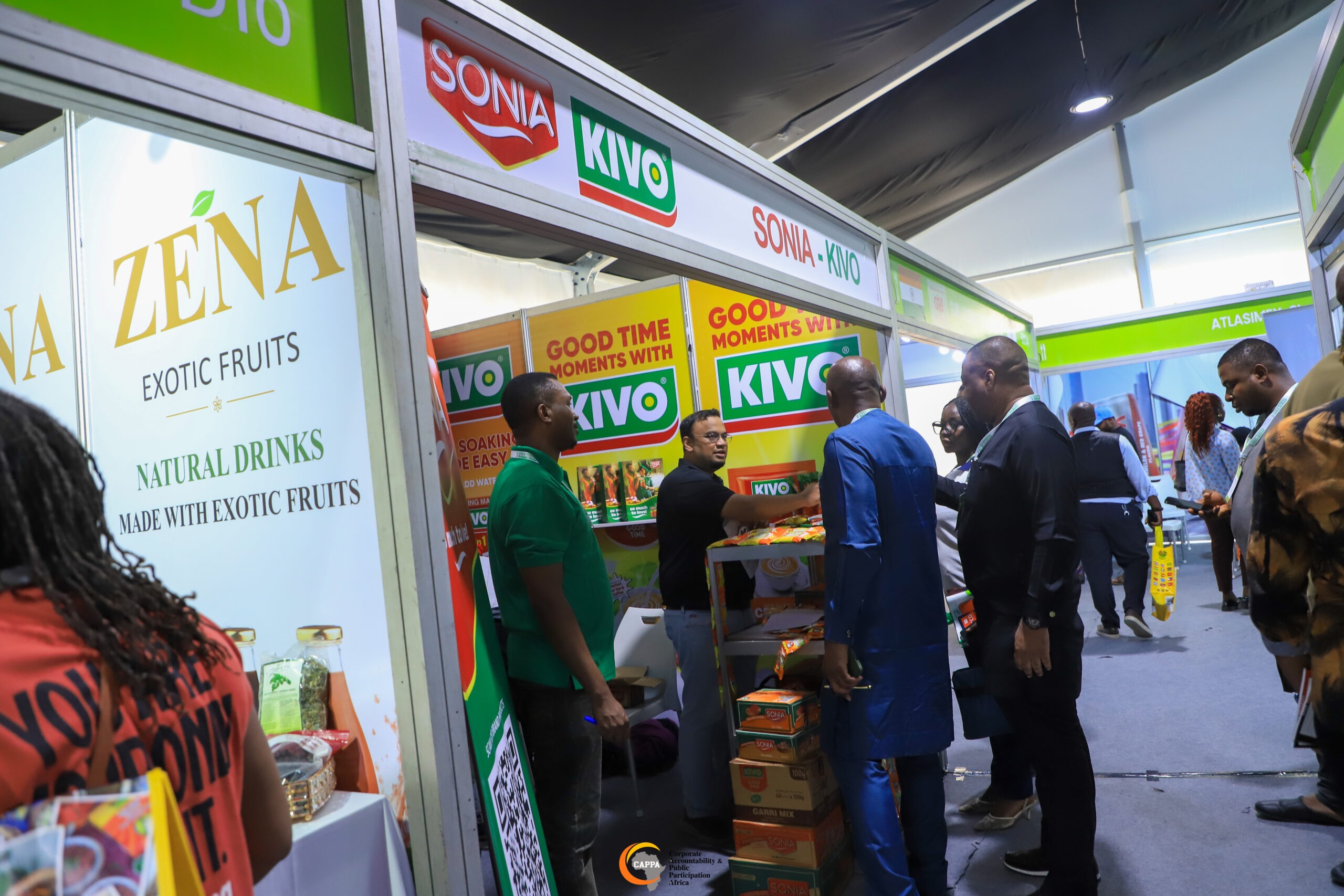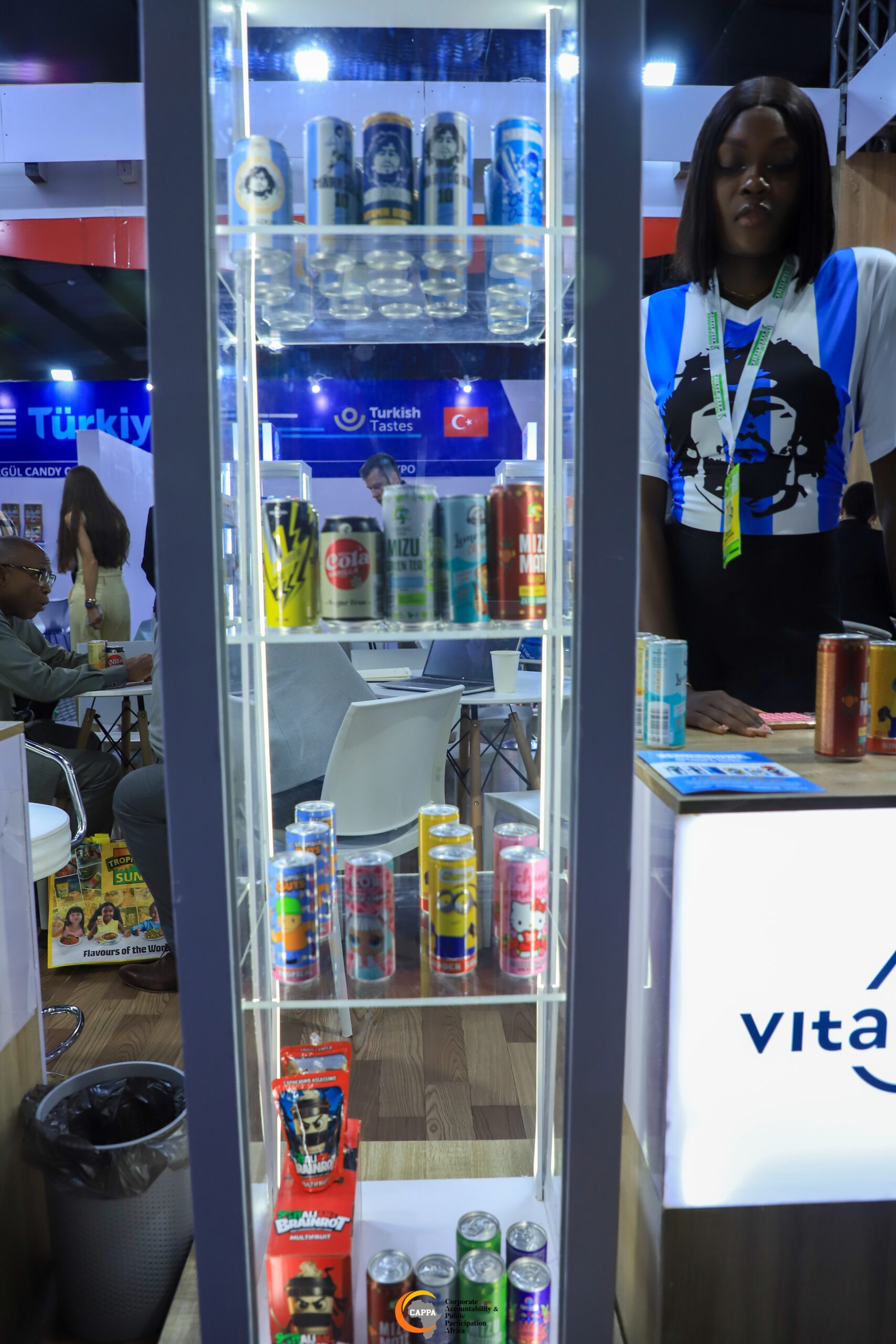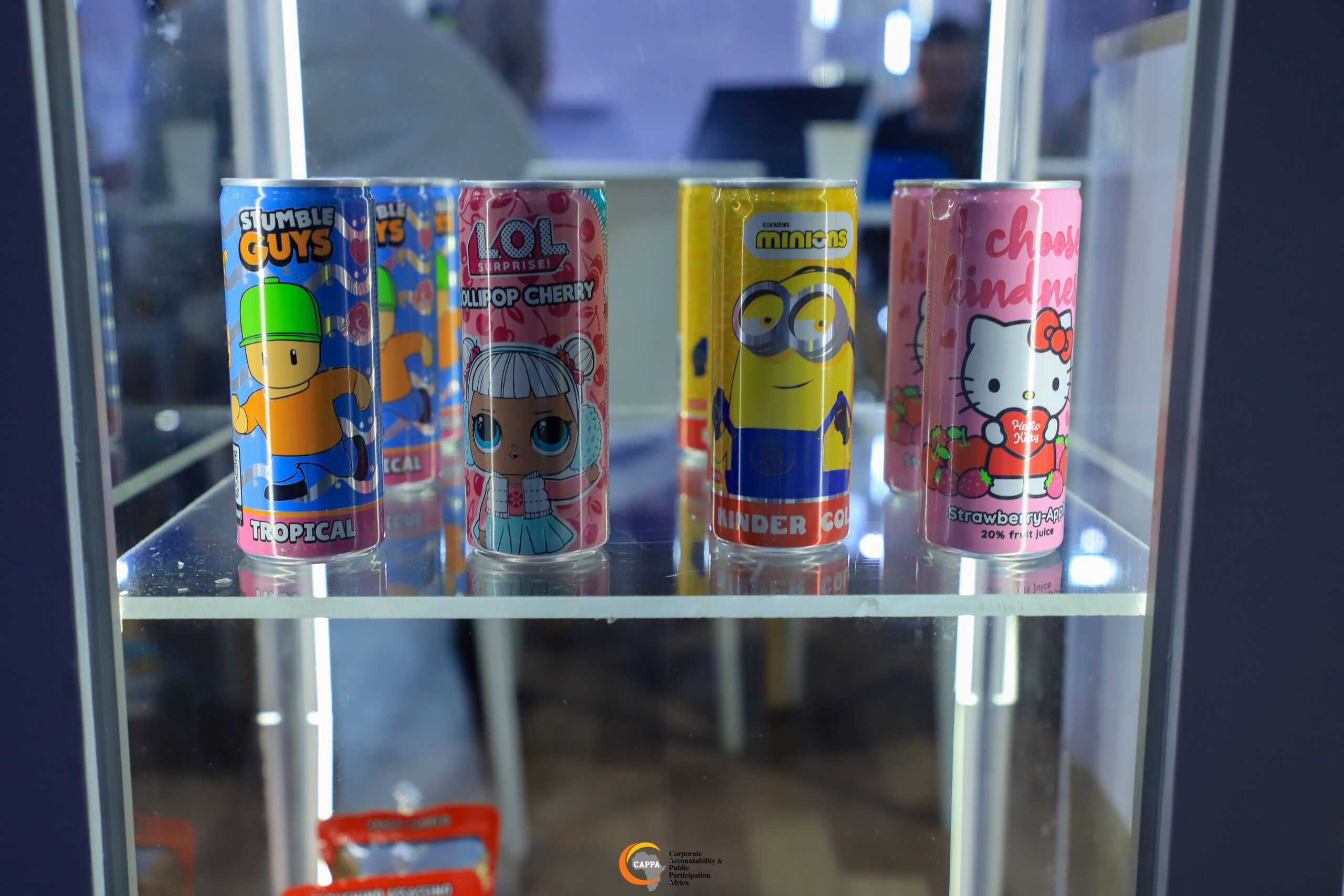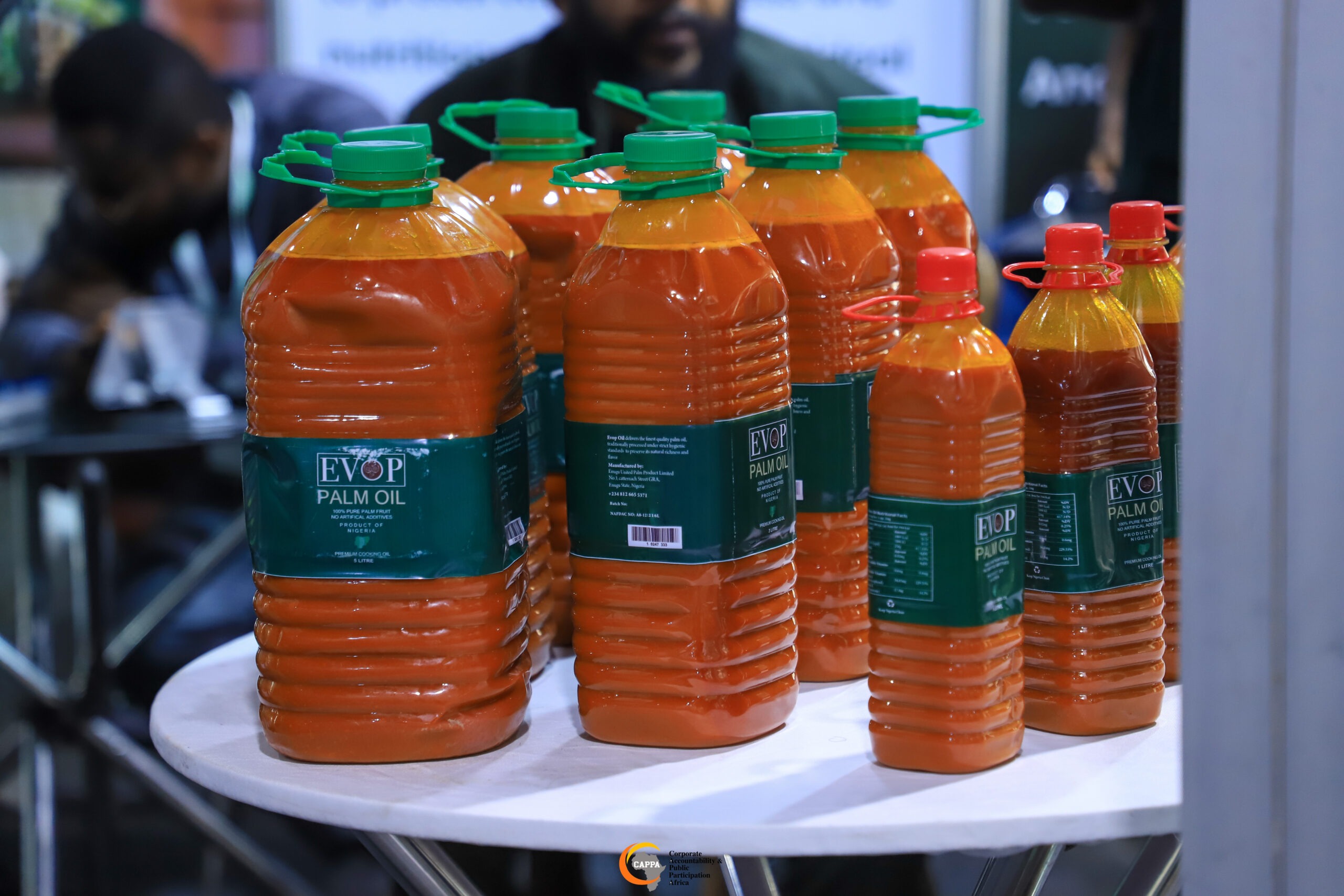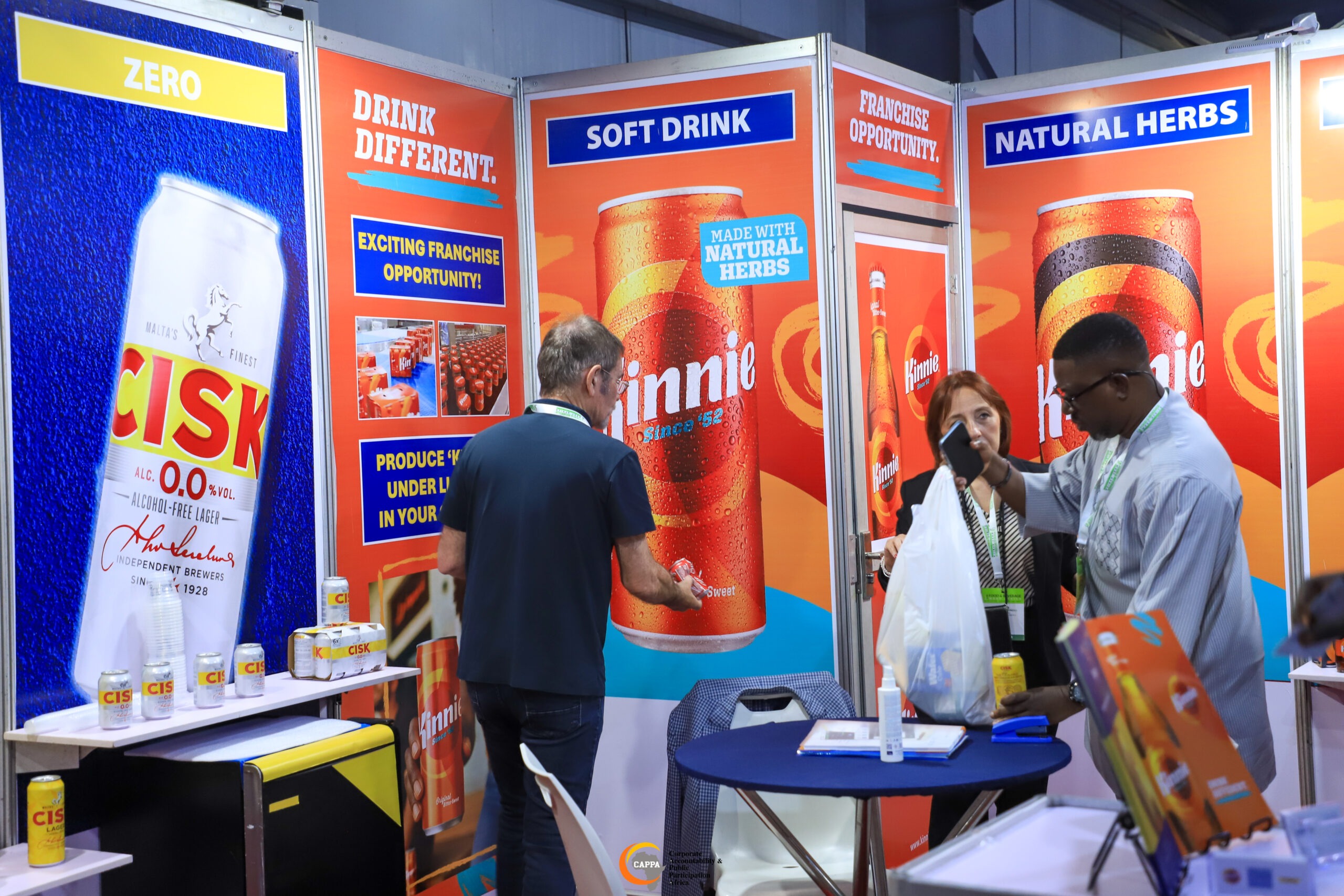
From June 9 to 11, 2026, CAPPA’s Industry Monitoring Team attended the Food and Beverage West Africa Exhibition at the Landmark Event Centre in Lagos as part of our ongoing efforts to track food and beverage industry trends, product innovations, marketing strategies, and emerging public health concerns.
The annual exhibition brought together more than 350 exhibitors from 63 countries, showcasing over 50,000 products ranging from soft drinks, seasonings, additives, processed foods, and confectioneries to manufacturing equipment and food processing technologies. Countries including Tanzania, Indonesia, and Malaysia participated with national pavilions for the first time, joining exhibitors from Poland, France, the United States, the United Kingdom, the United Arab Emirates, China, Türkiye, South Korea, Italy, Germany, and several others.
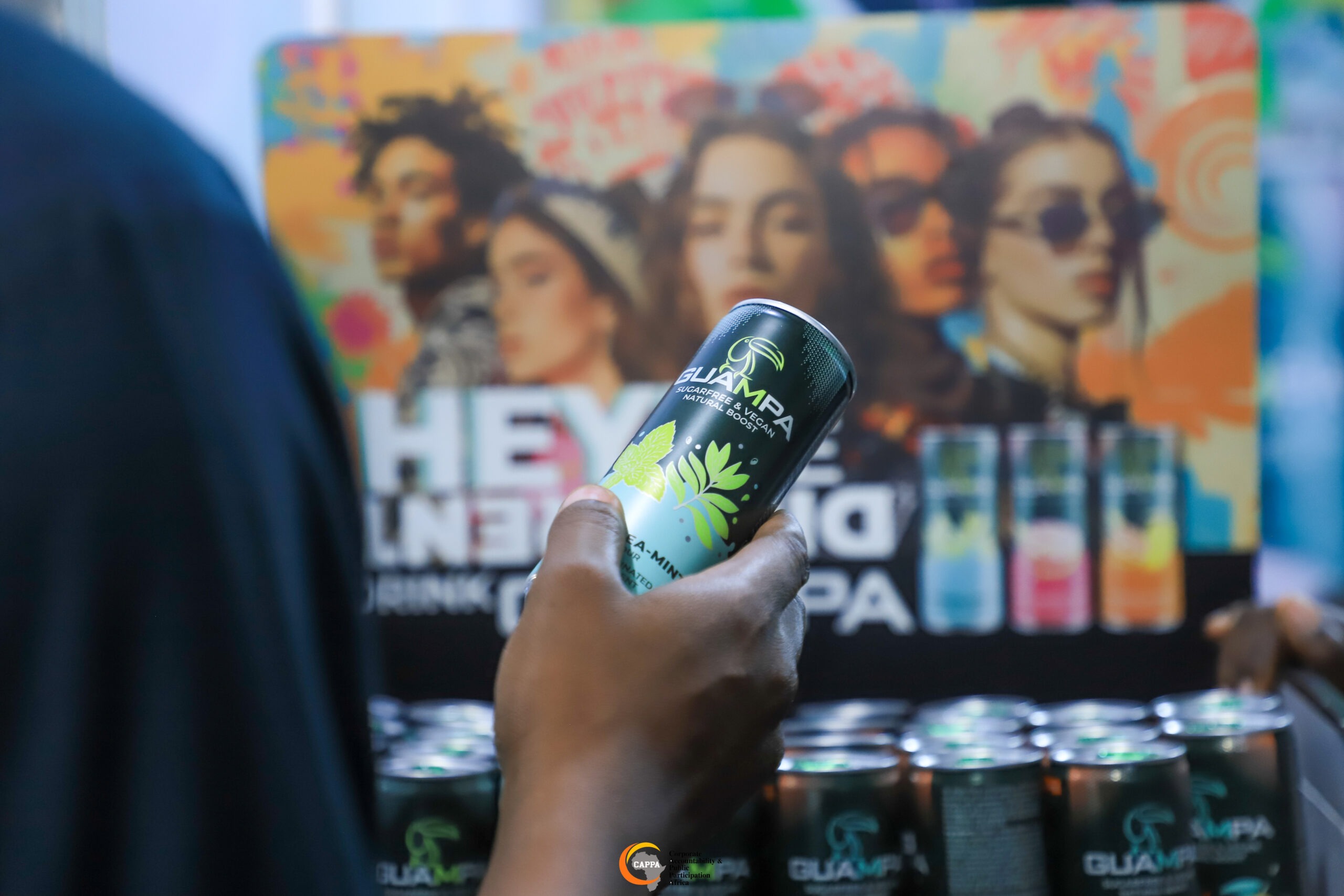
Walking through the exhibition halls offered a glimpse into what may soon appear on market shelves across the country. One of the most noticeable developments was the growing use of “sugar-free” claims on beverage packaging. Compared to previous editions of the exhibition, this claim appeared far more frequently on product labels. Yet a closer look at ingredient lists revealed that many of these drinks contained sweeteners such as sucralose, aspartame, and acesulfame-K. Several sports drinks relied on similar formulations while maintaining a distinctly sweet taste.
The growing prominence of these claims suggests that food and beverage companies are increasingly leveraging health-conscious language to appeal to consumers who are becoming more aware of the risks associated with excessive sugar consumption. As concerns about obesity, diabetes, and other diet-related diseases grow, health-focused marketing has become an increasingly important tool for attracting consumers.
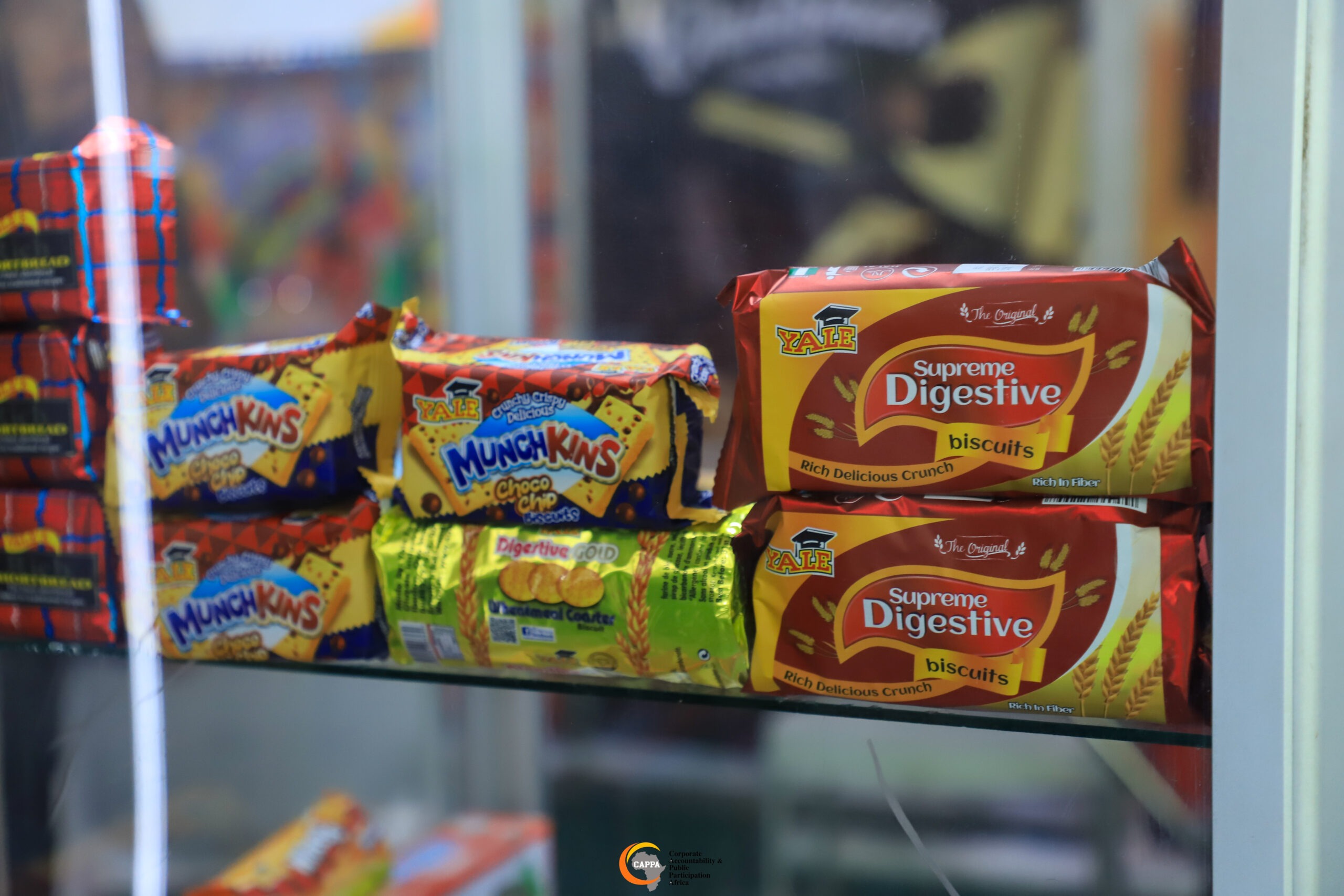
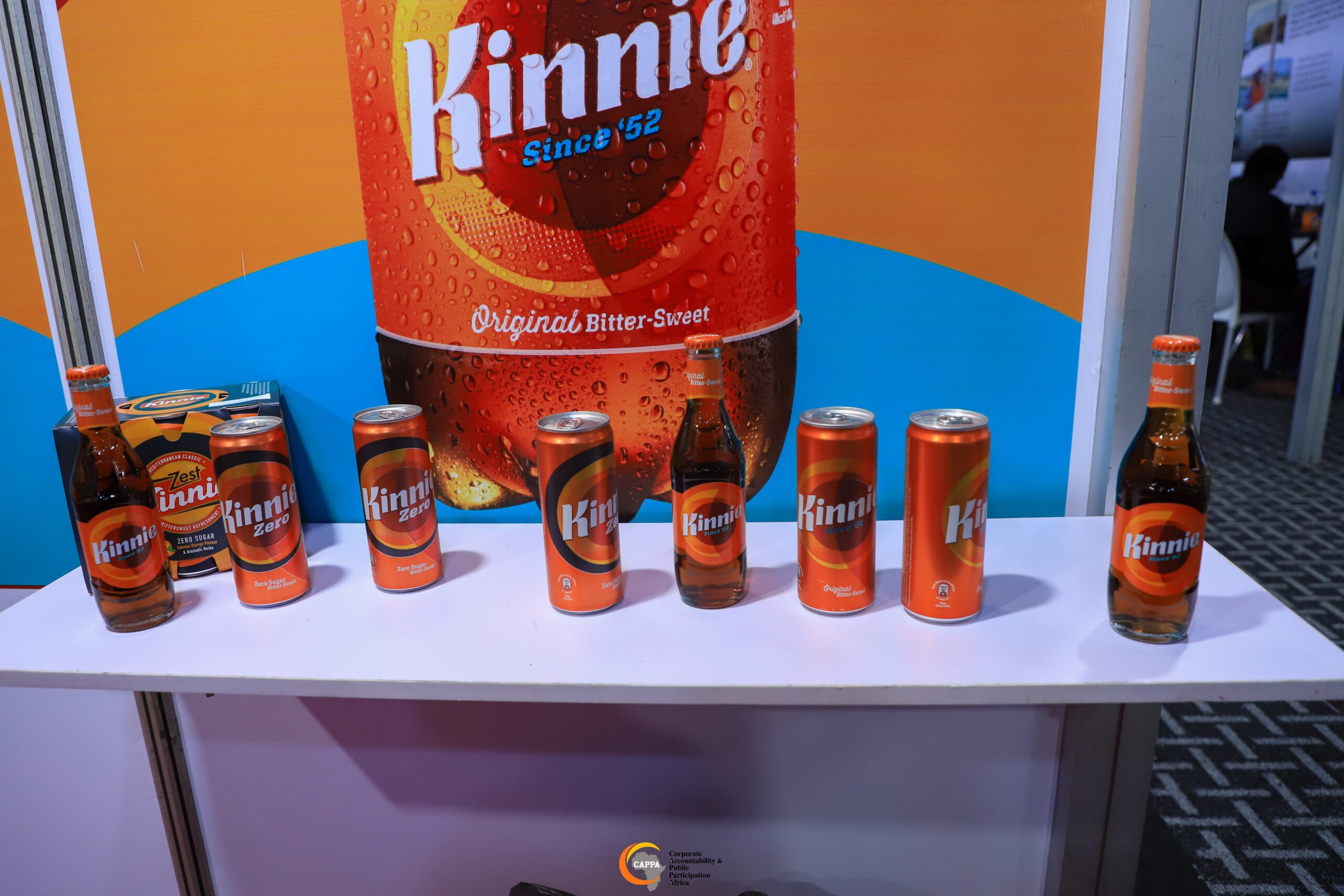
The exhibition also revealed a steady flow of new beverage products entering the Nigerian market. Polish manufacturers had a particularly strong presence, introducing brands such as Poli, Kinnie, and Radacini, while Malta showcased a new soft drink known as Farson. German exhibitors displayed products including Guampa in orange, green tea, and grape flavours, while Ukrainian manufacturers promoted brands such as Non Stop and Shake.
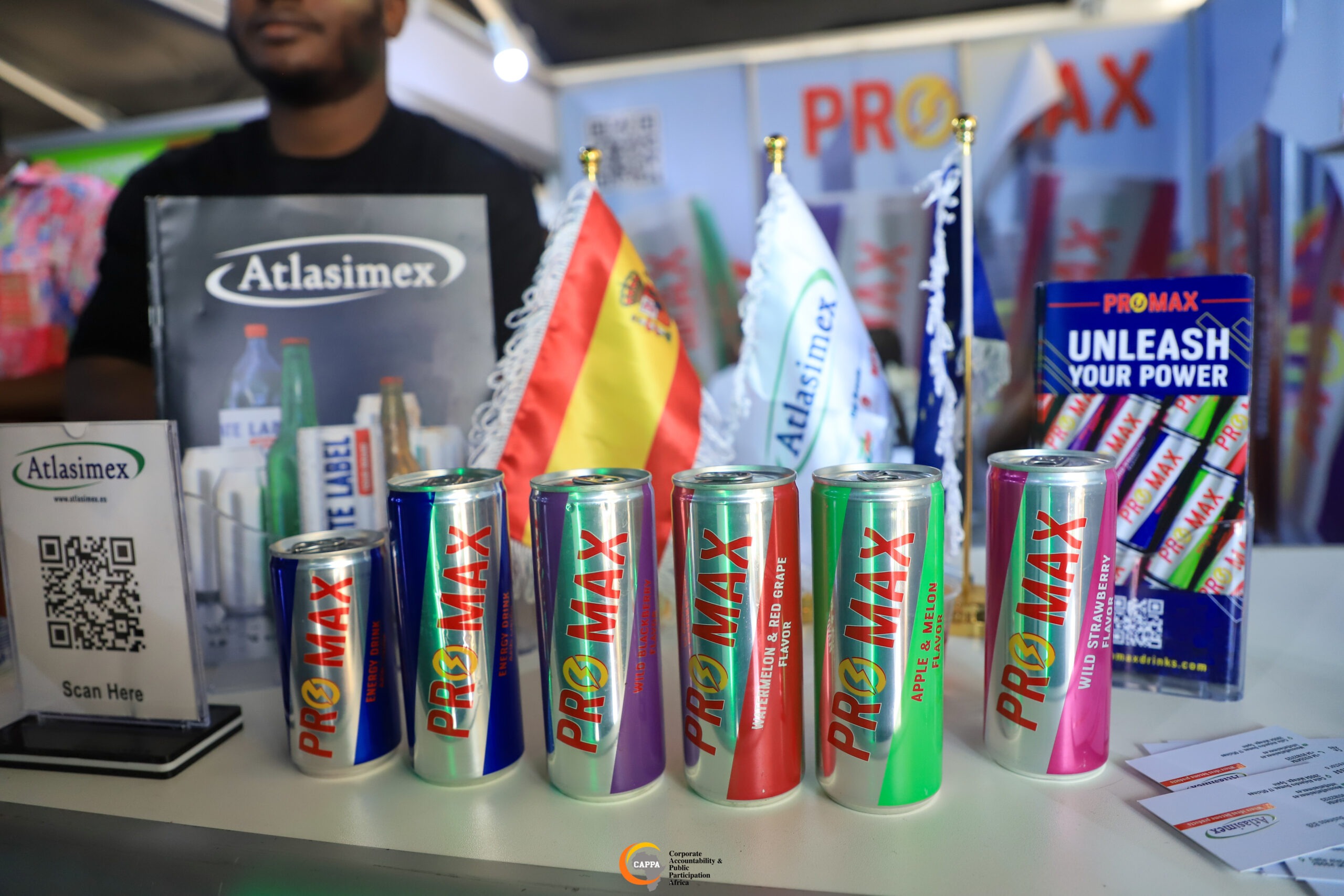
Branding strategies stood out as well. In some cases, product packaging closely resembled that of well-established brands already familiar to Nigerian consumers. One Ukrainian energy drink, Pro Max, featured packaging remarkably similar to Red Bull, while Malta Lito’s branding closely mirrored Malta Guinness. Such similarities have the potential to confuse consumers and benefit from the recognition already enjoyed by established brands.
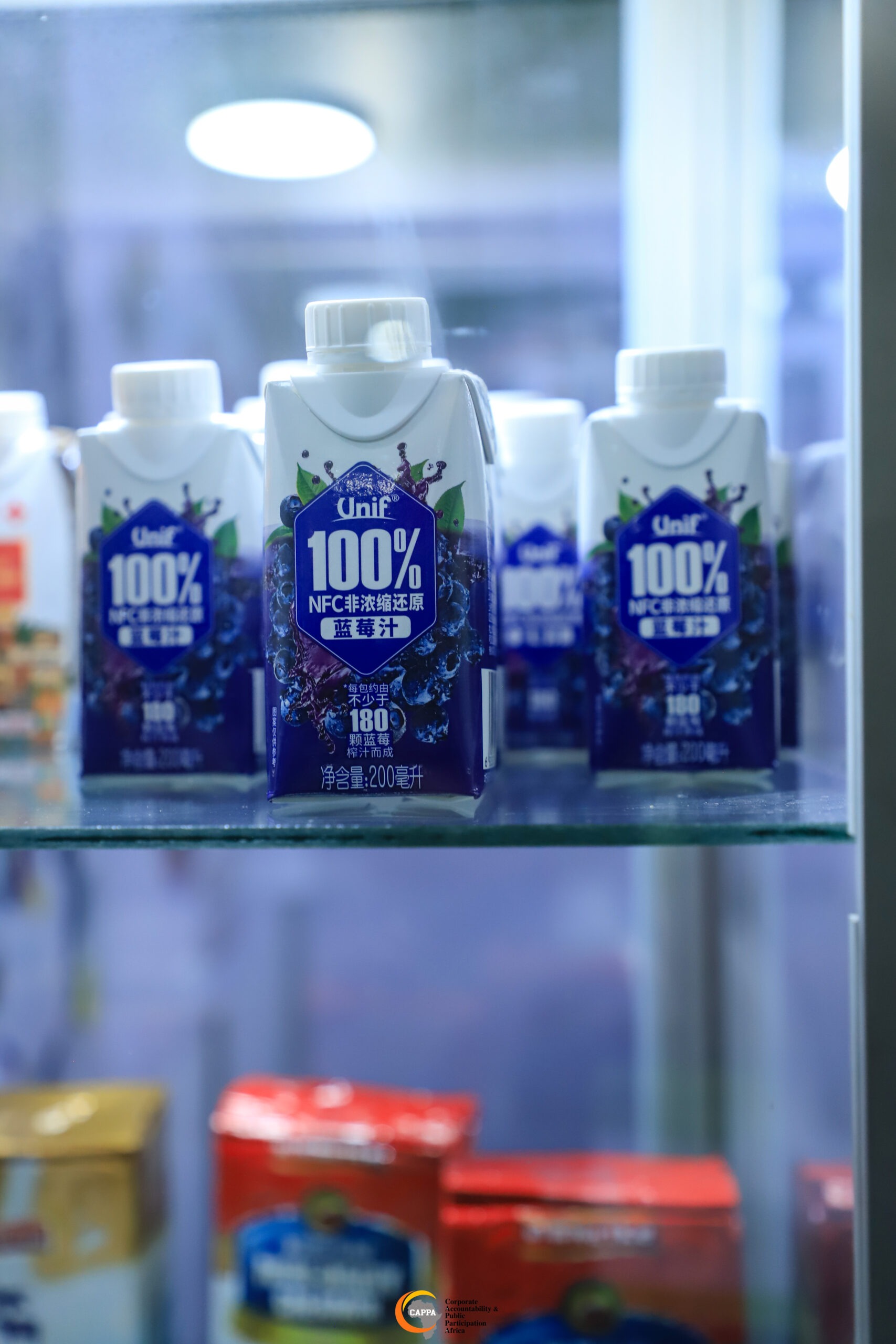
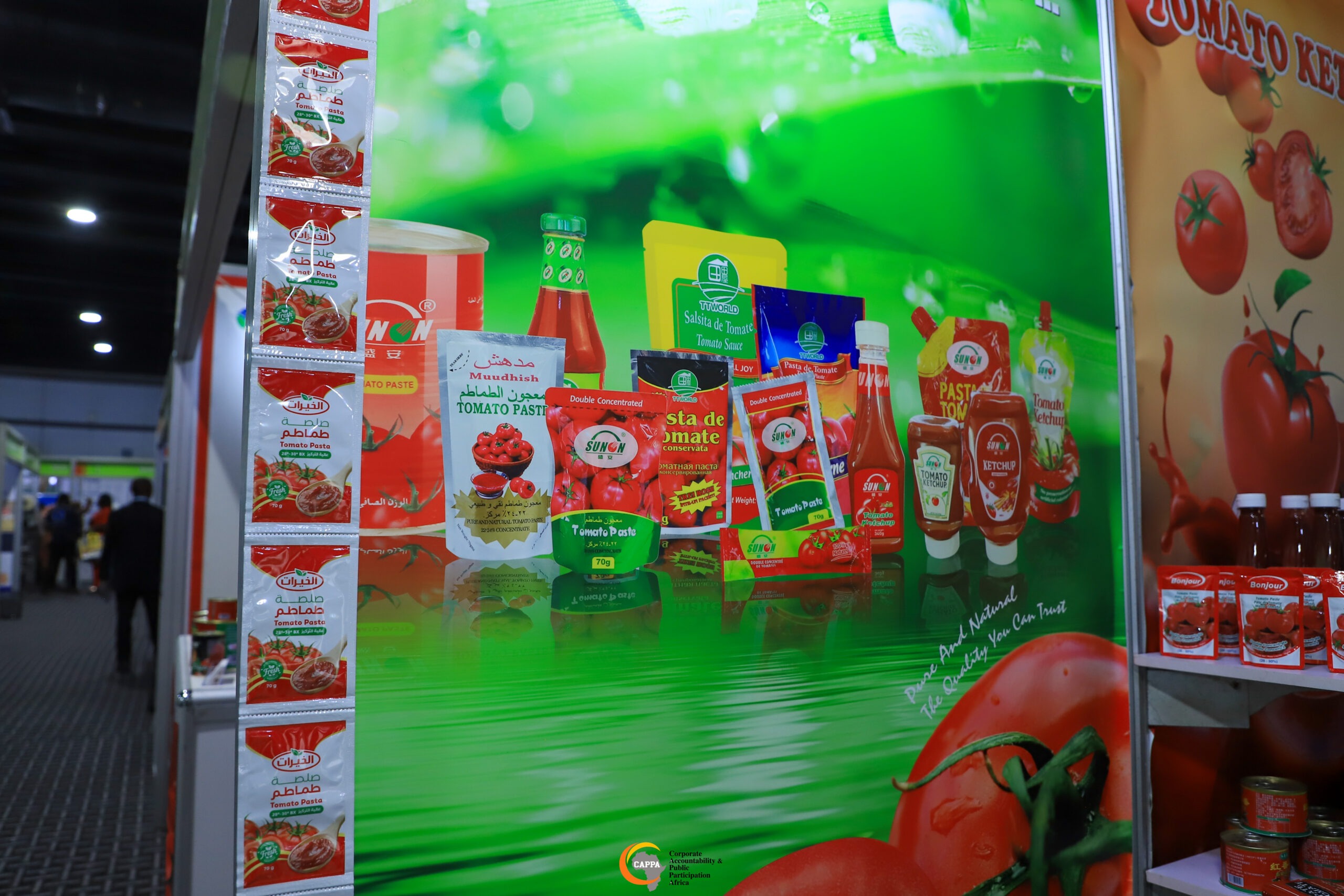
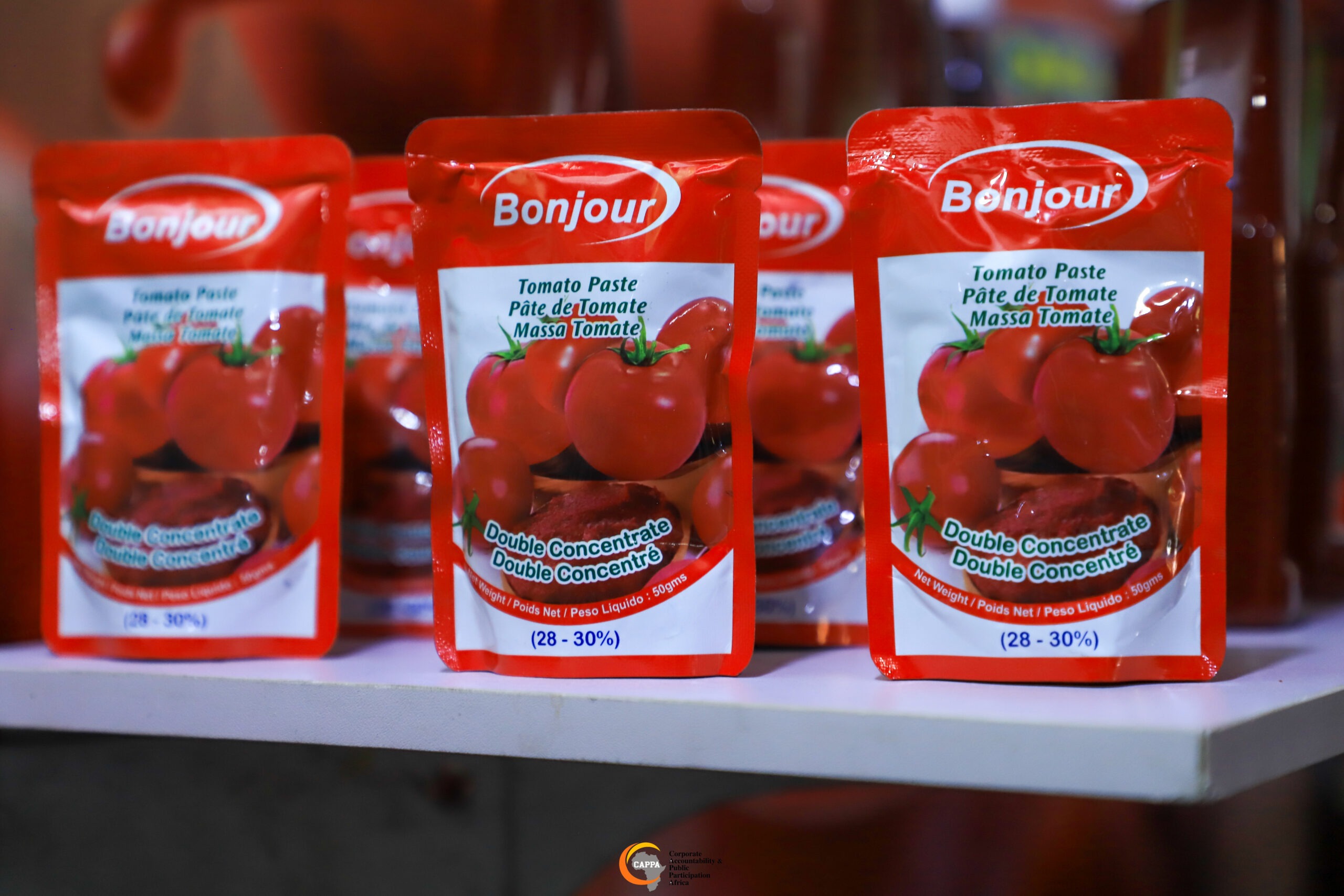
Labelling practices were another area of concern. Many imported products carried information written primarily in Polish, French, Arabic, and other foreign languages. Several exhibitors noted that packaging would be modified once products were prepared for distribution in the Nigerian market. While this may be common practice in international trade, it raises important questions about ensuring consumers have access to clear and accurate information from the point products enter the country.
The exhibition further highlighted the uneven standards that can exist across markets. Some products subject to age-related restrictions or stricter regulatory controls in their countries of origin may be marketed differently when introduced into markets such as Nigeria. The issue underscores the need for strong consumer protection measures and regulatory oversight to ensure that Nigerian consumers enjoy the same level of protection afforded elsewhere.
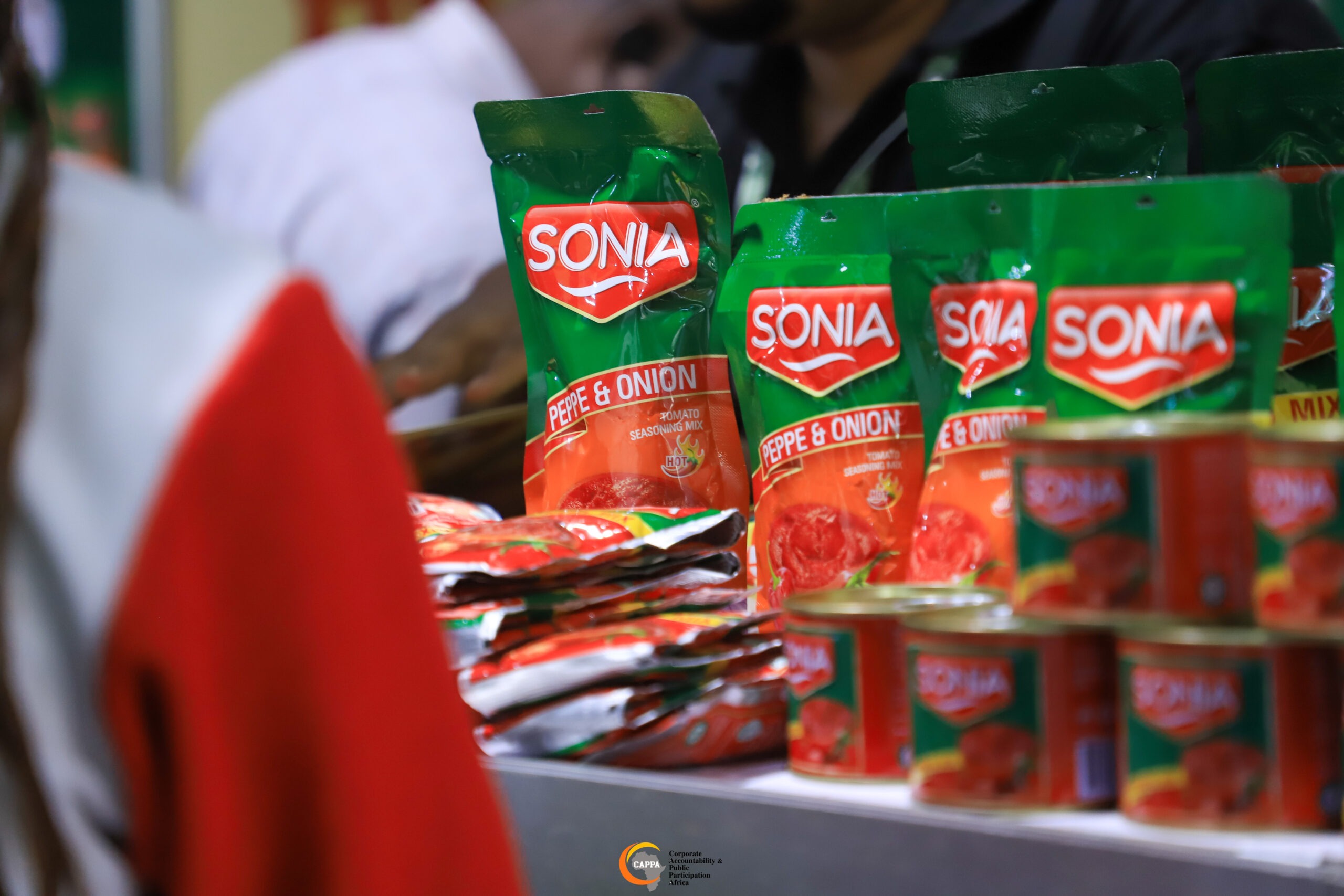
Beverages were not the only products relying on health-focused messaging. Across the seasoning and spice category, many products prominently displayed terms such as “all natural” and “natural ingredients.” Yet ingredient lists often included preservatives, colourings, and other additives. Brands such as Sonia and Nivo were among those where marketing messages appeared difficult to reconcile with product contents.
We also encountered products with ingredient information printed in extremely small fonts, making it difficult for consumers to understand what they were purchasing. Some products went further by carrying broad health claims, including suggestions that they could help prevent or fight diseases such as cancer. Such claims underscore the need for closer scrutiny of the messages consumers are exposed to and the evidence used to support them.
The exhibition offered insight into the marketing strategies companies deploy to build consumer loyalty. A Caribbean seasoning brand, Island Gurl, prepared meals on-site and distributed free samples to visitors, creating a direct pathway from tasting to purchasing. Product demonstrations, tastings, and experiential marketing were common features throughout the venue, reflecting the increasingly sophisticated ways food companies build consumer engagement.
The event also highlighted the growing internationalisation of Nigeria’s food environment. Manufacturers, distributors, and investors from different countries used the exhibition to expand their presence in the Nigerian market and forge new commercial relationships. The result is a food system that is becoming more interconnected, with products developed in one part of the world increasingly finding their way onto Nigerian shelves.
Although there was no highly visible regulatory presence throughout much of the exhibition, conversations with exhibitors suggested an awareness of regulatory oversight. Several long-standing exhibitors were cautious about distributing samples, citing ongoing reviews by the National Agency for Food and Drug Administration and Control (NAFDAC). This caution points to the important role regulators play in determining which products eventually reach consumers.
The exhibition provided valuable insight into the products, claims, and marketing strategies shaping Nigeria’s food environment. Such observations remain an important part of understanding how food and beverage companies influence consumer choices and public health outcomes. As Nigeria continues to grapple with rising rates of hypertension, diabetes, obesity, and other diet-related illnesses, paying attention to the products entering the market and the claims used to sell them is essential to protecting public health.