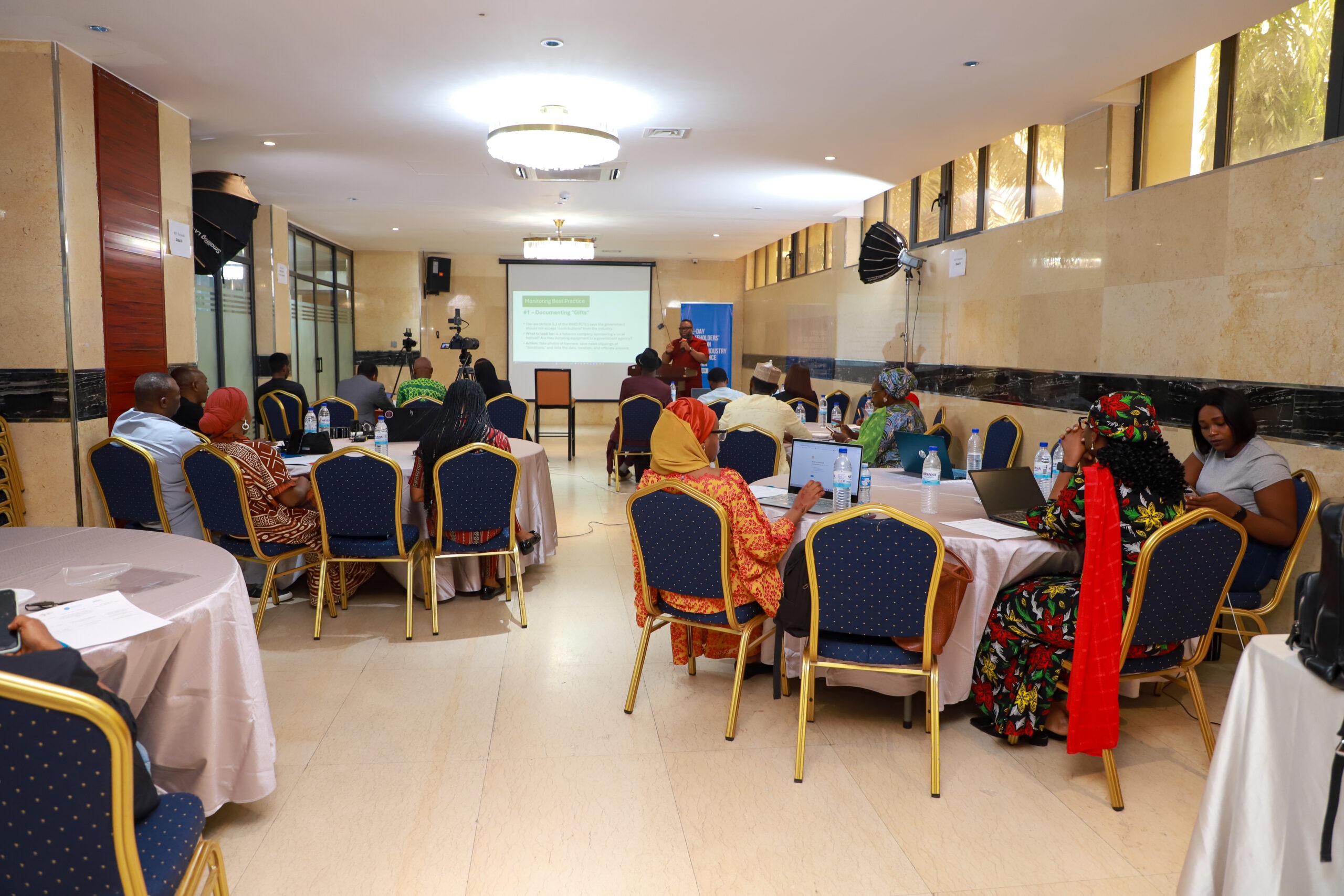
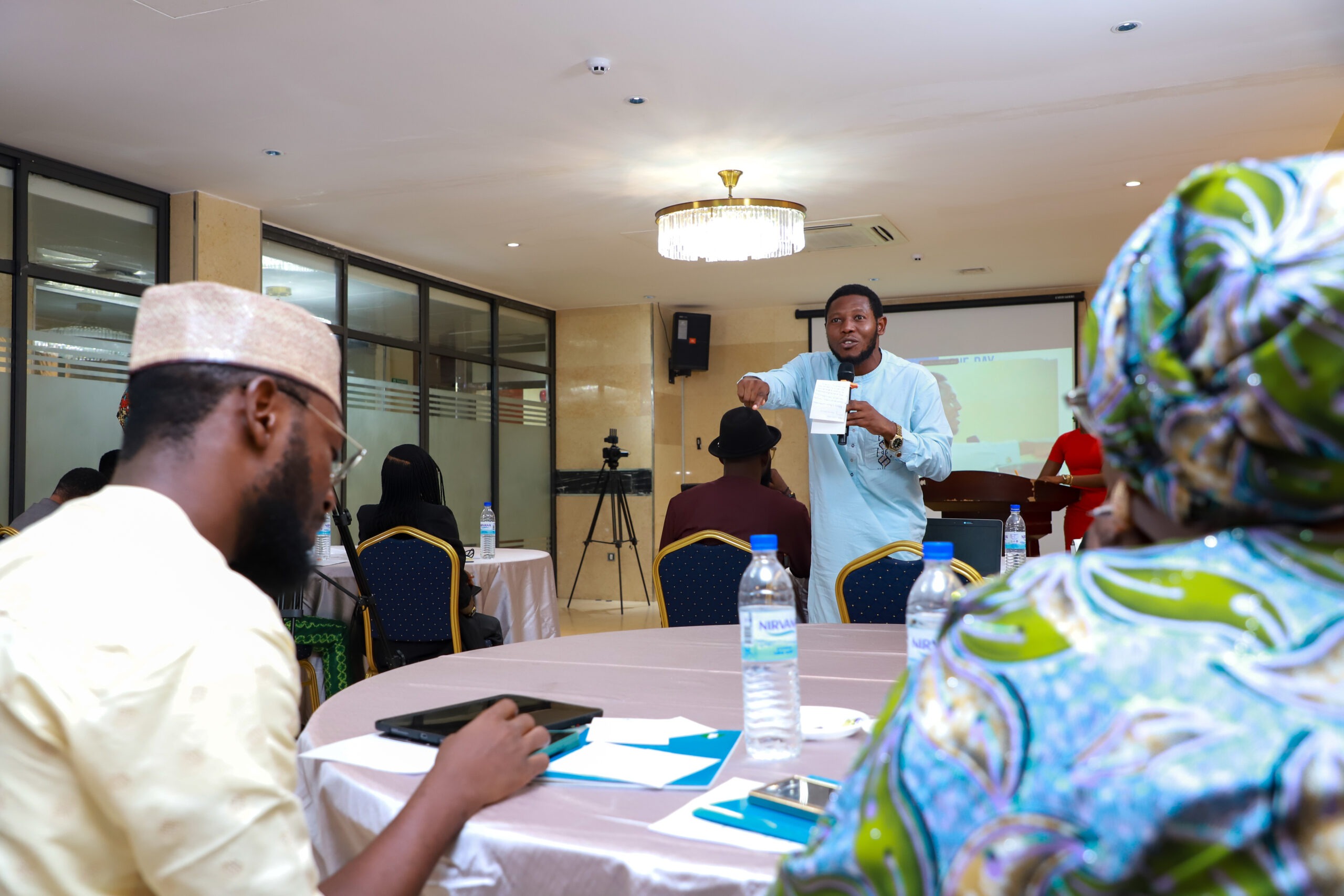
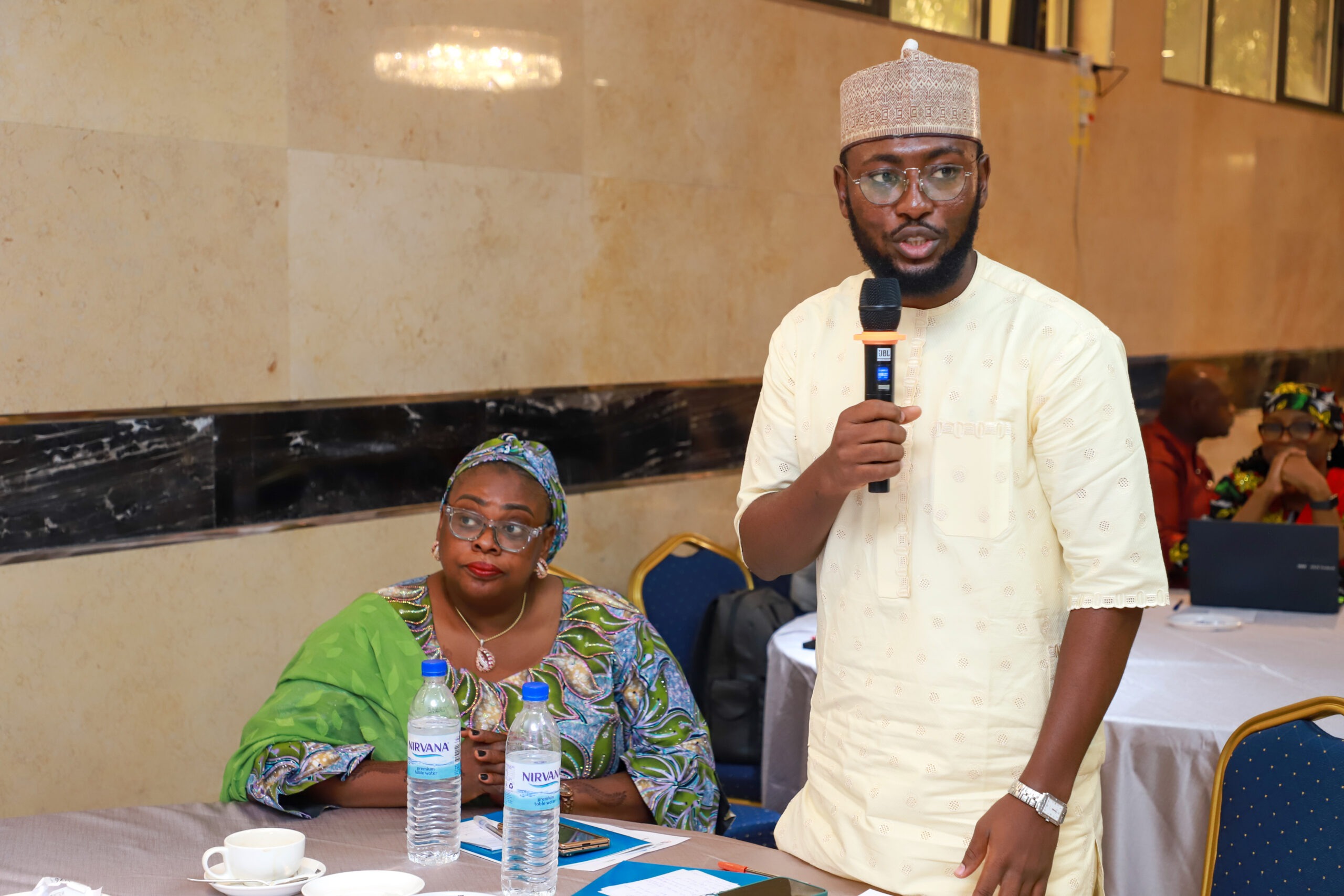
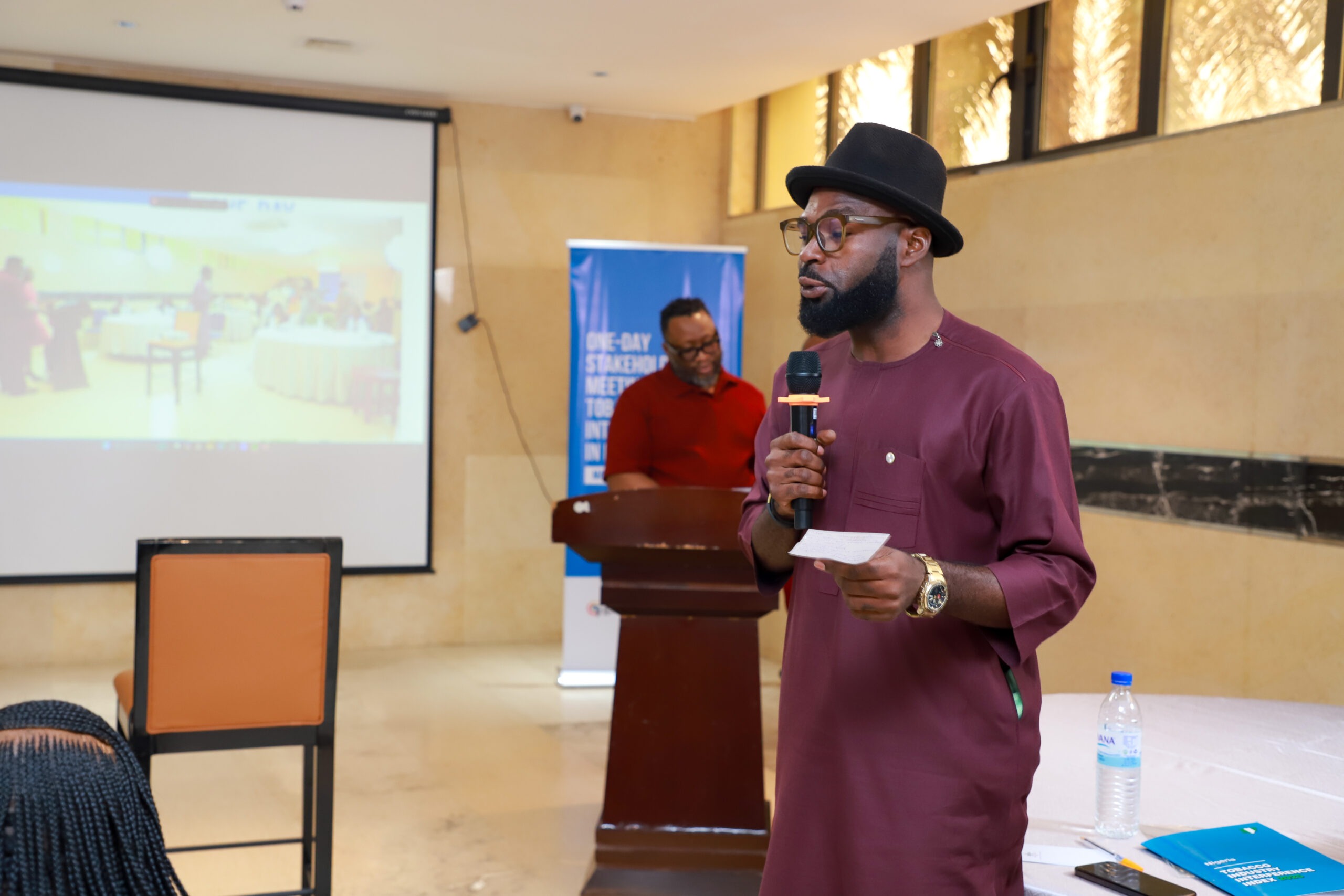
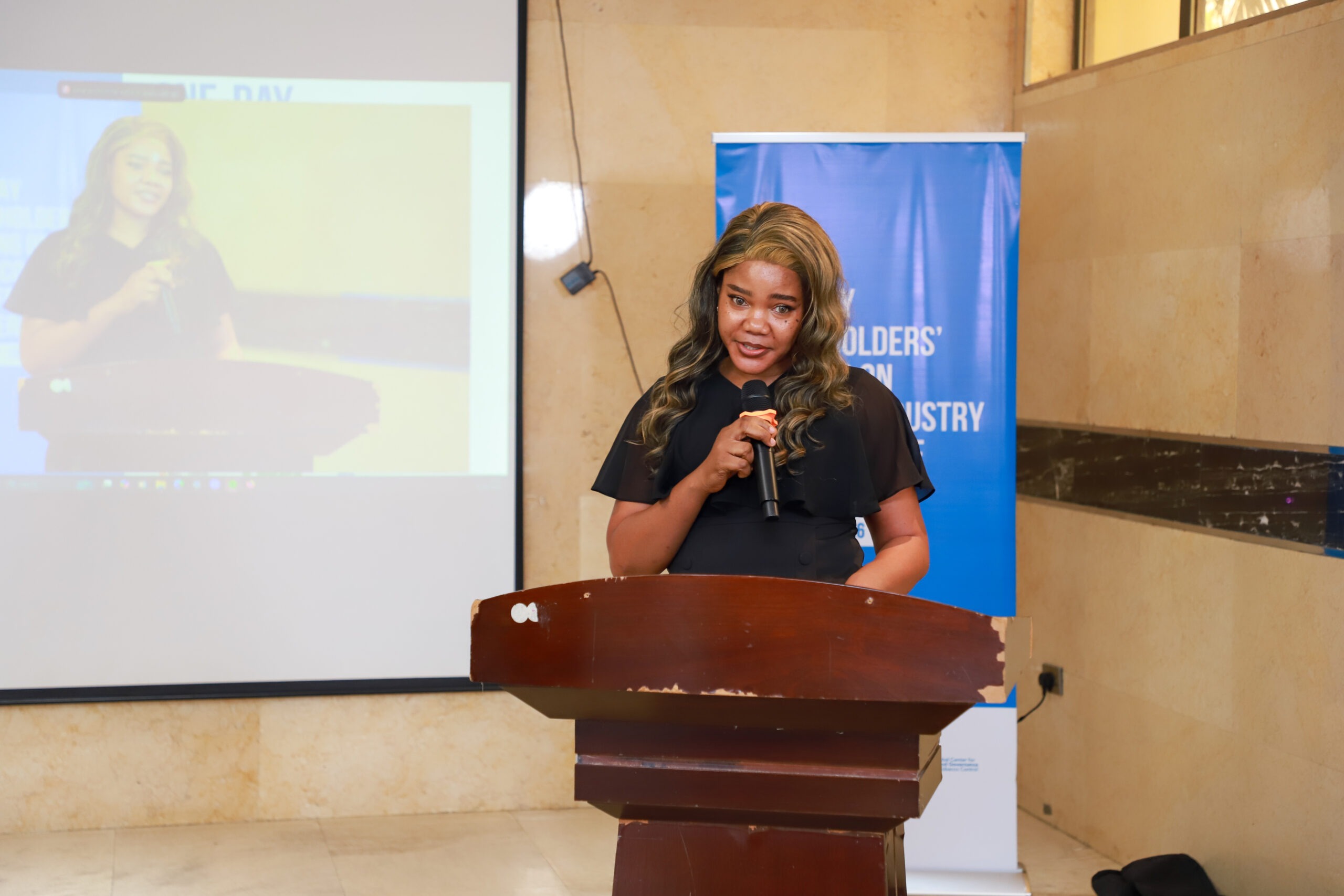
On 27 March 2026, Corporate Accountability and Public Participation Africa (CAPPA), in partnership with the Nigeria Tobacco Control Alliance (NTCA), convened a one-day stakeholders’ meeting in Abuja on tobacco industry interference in Nigeria.
The meeting was directly informed by the findings of the Nigeria Tobacco Industry Interference Index 2025, which documents how tobacco companies continue to shape policy processes, access state institutions, and secure incentives that undermine public health regulation. Drawing on this evidence base, the meeting brought together over 25 participants from civil society, the tobacco control community, and the media to interrogate these patterns of interference and define a coordinated national response.

In his opening remarks, Olawale Makanjuola, Coordinator of the NTCA, noted that industry interference is organised and persistent, weakening regulation and shaping policy outcomes. He therefore called for a united response by all stakeholders.
Kickstarting the main deliberations, Mary Assunta, Senior Policy Advisor at the Southeast Asia Tobacco Control Alliance and Head of Global Research and Advocacy at the Global Center for Good Governance in Tobacco Control, presented findings from the Global Tobacco Industry Interference Index 2025. Nigeria ranked 54th out of 100 countries. The ranking reflects gaps in how effectively the country is implementing Article 5.3 of the World Health Organization (WHO) Framework Convention on Tobacco Control, which requires governments to protect public health policy from tobacco industry interests.
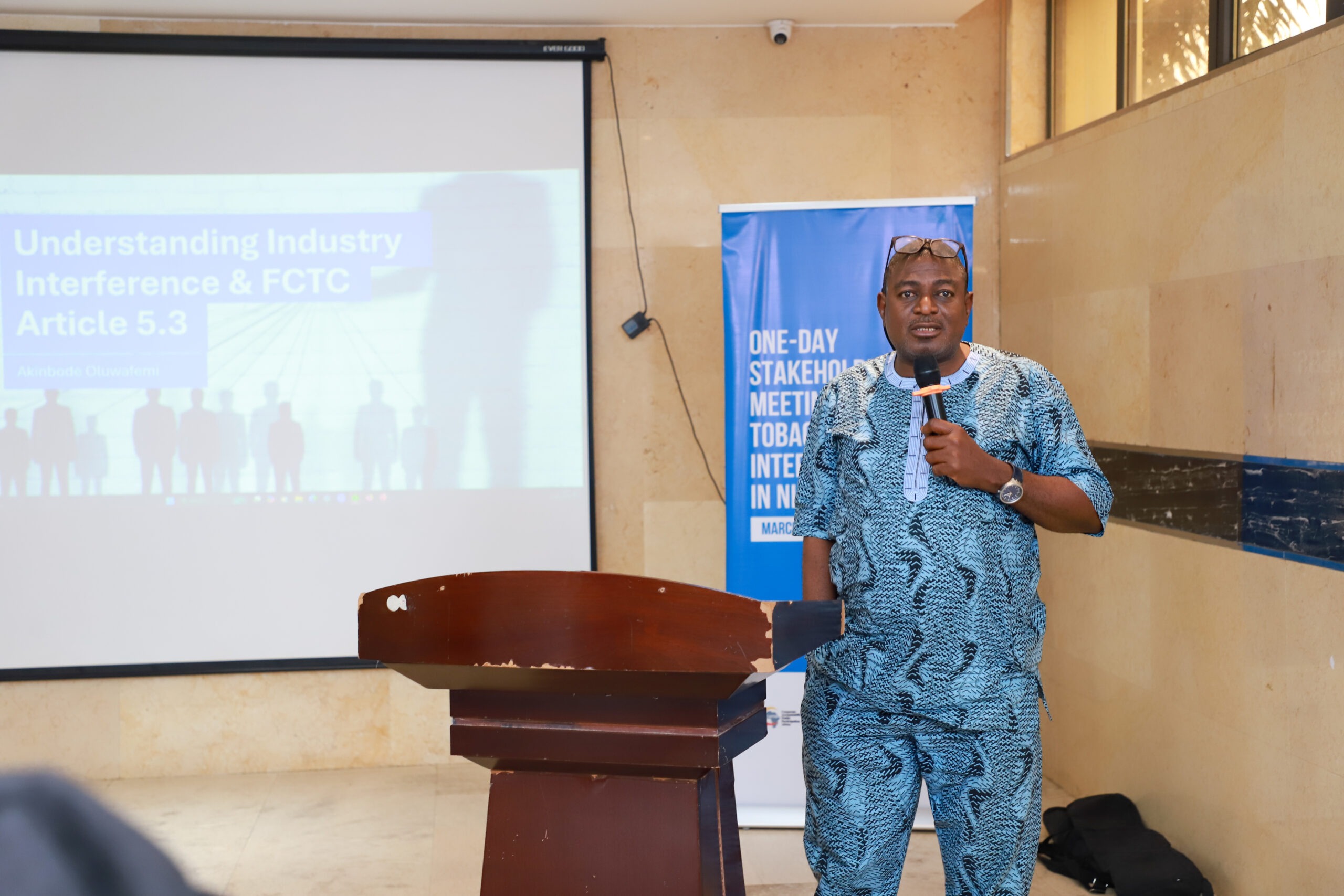
Delivering the second presentation of the day, Akinbode Oluwafemi, Executive Director of CAPPA, unpacked the practical implications of Article 5.3 of the WHO Framework Convention on Tobacco Control. He emphasised that the tobacco industry interferes in policymaking and public health regulation through aggressive lobbying, threats of litigation, corporate social responsibility (CSR) projects that build influence and legitimacy, and informal access to key decision-makers.
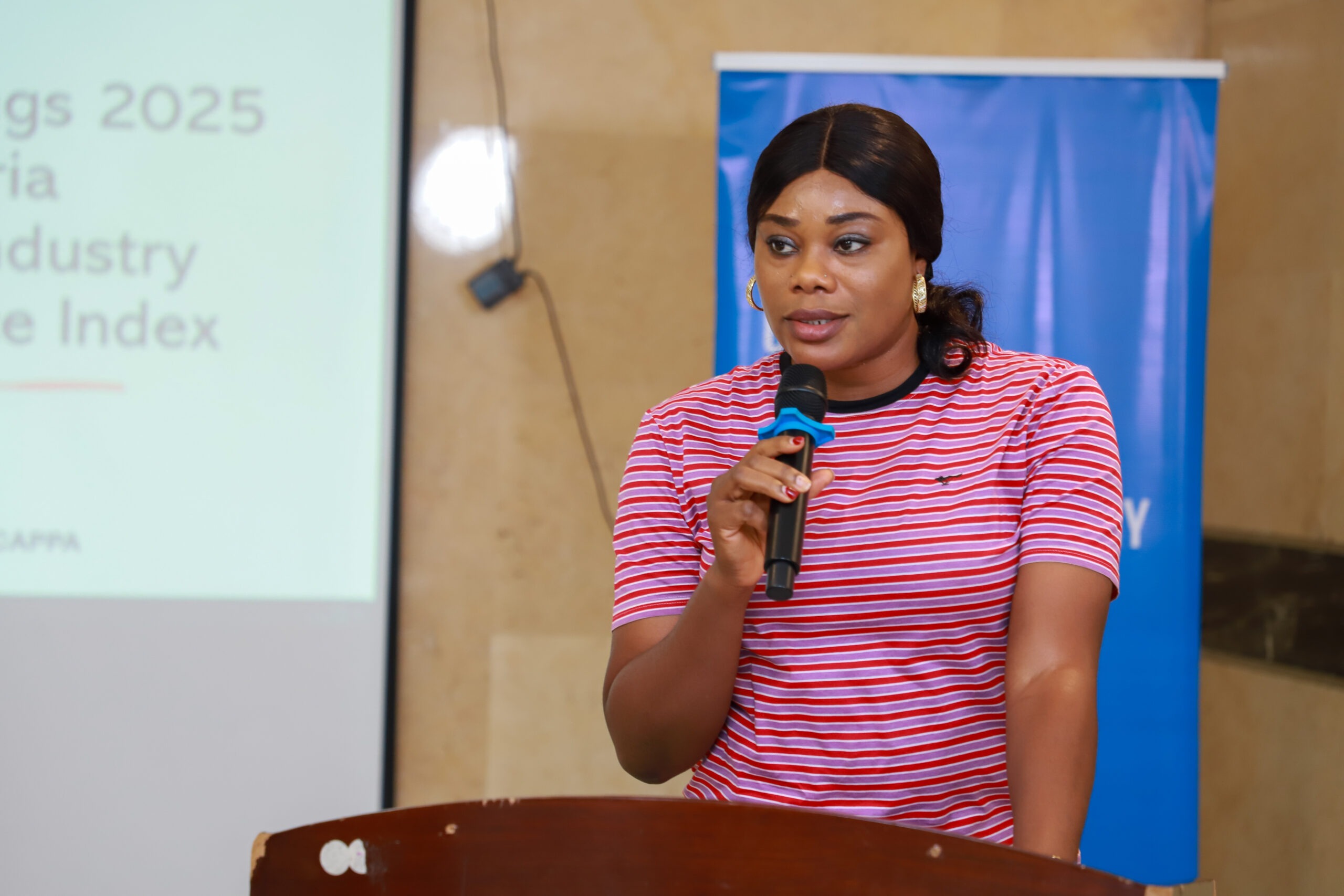
Next, Zikora Ibeh, Assistant Executive Director of CAPPA, presented the Nigeria Tobacco Industry Interference Index 2025. She detailed how this interference manifest at the national and local levels.
Nigeria’s score worsened from 60 in 2023 to 62 in 2025, placing the country 54th out of 100 countries globally. Tobacco companies continue to actively participate in policy processes, while their corporate social responsibility activities are increasingly normalised within strategic public institutions such as the National Youth Service Corps, universities, and youth-centred spaces. At the same time, the industry benefits from state-backed incentives such as the Export Expansion Grant. These developments create significant entry points for influence and undermine efforts to protect public health policy from tobacco industry interference.
 Sade Oyelade-Osi, Policy and Legal Officer at CAPPA
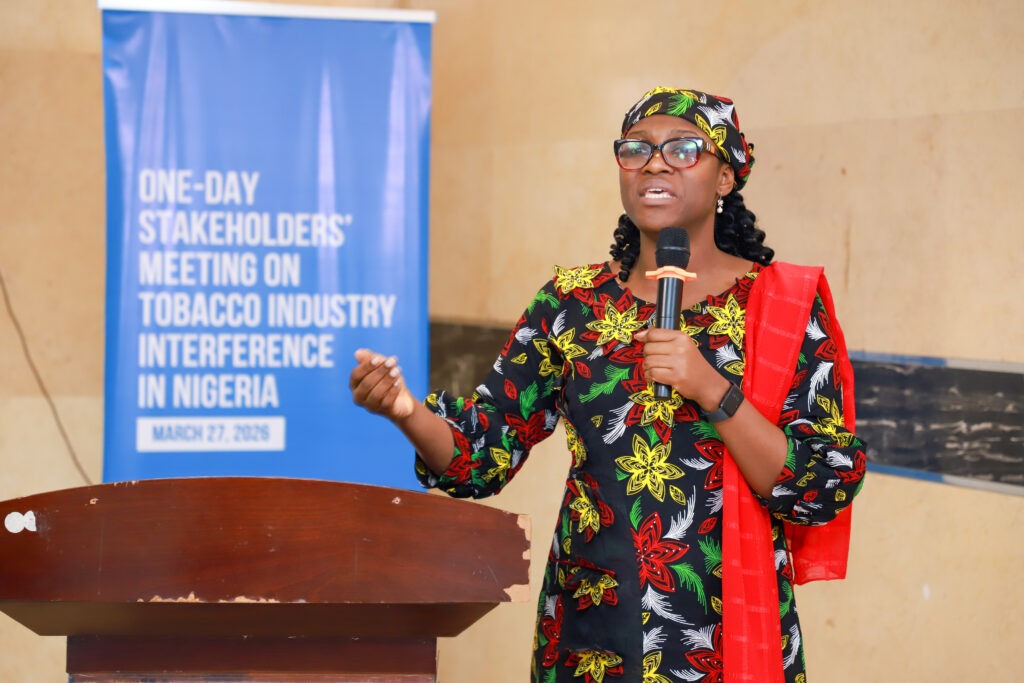
Speaking on the policy and legal dimensions of the issue, Sade Oyelade-Osi, Policy and Legal Officer at CAPPA, noted that although Nigeria has strong tobacco control laws, implementation remains poor. Weak enforcement, limited monitoring, and gaps in institutional capacity allow the industry to operate with minimal constraint. Strengthening compliance with Article 5.3, she said, requires clearer enforcement mechanisms and better training for public officials.
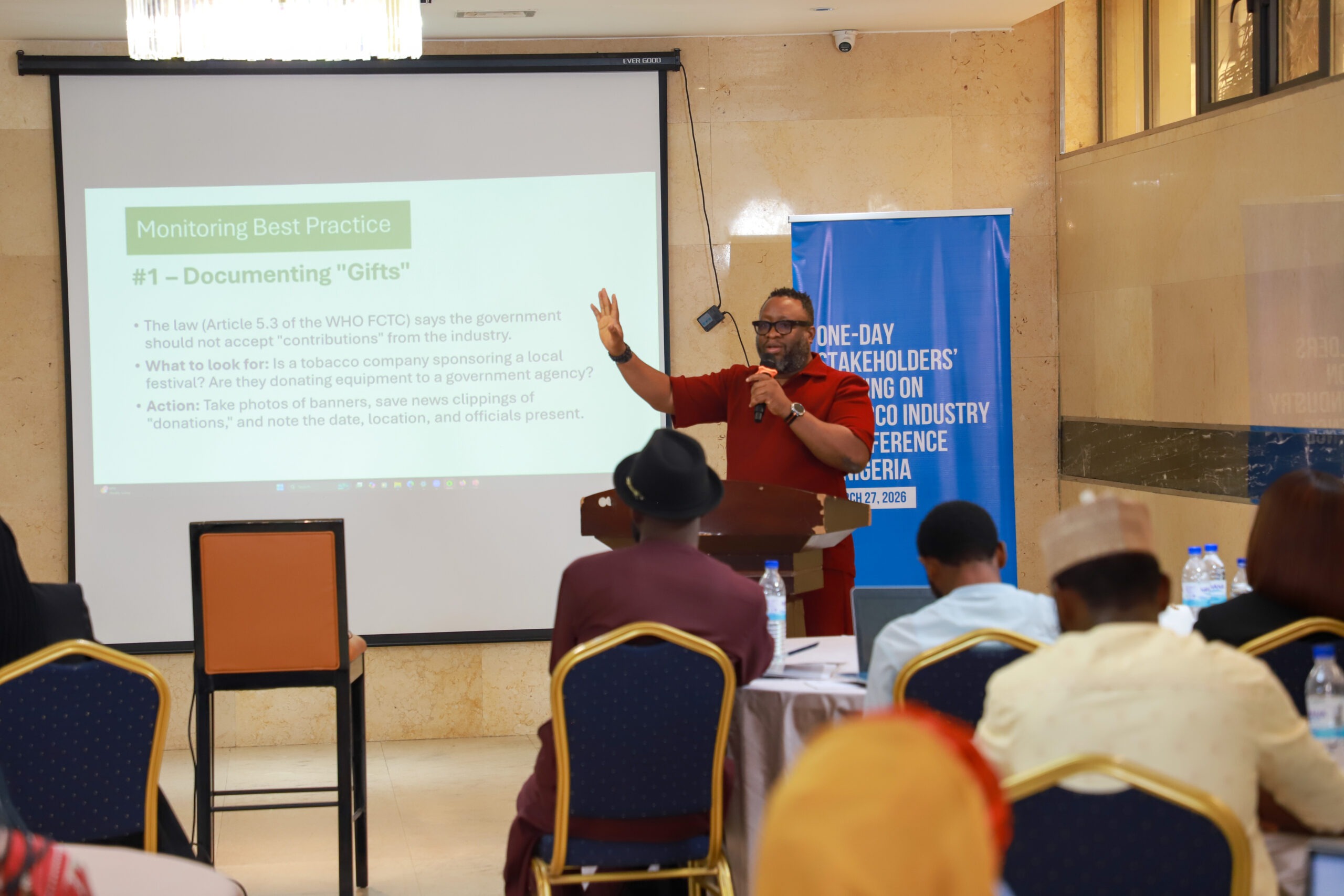
The meeting concluded with a session by Olawale Makanjuola, who called for systematic monitoring of tobacco industry activities. Participants were encouraged to document sponsorships, branding efforts, and policy engagements, and to leverage digital tools to track and expose interference.
Overall, the meeting reinforced the urgent need to protect public health policies from vested tobacco industry interests. Participants expressed appreciation for the insightful sessions and pledged to utilise their various platforms to defend public health.