

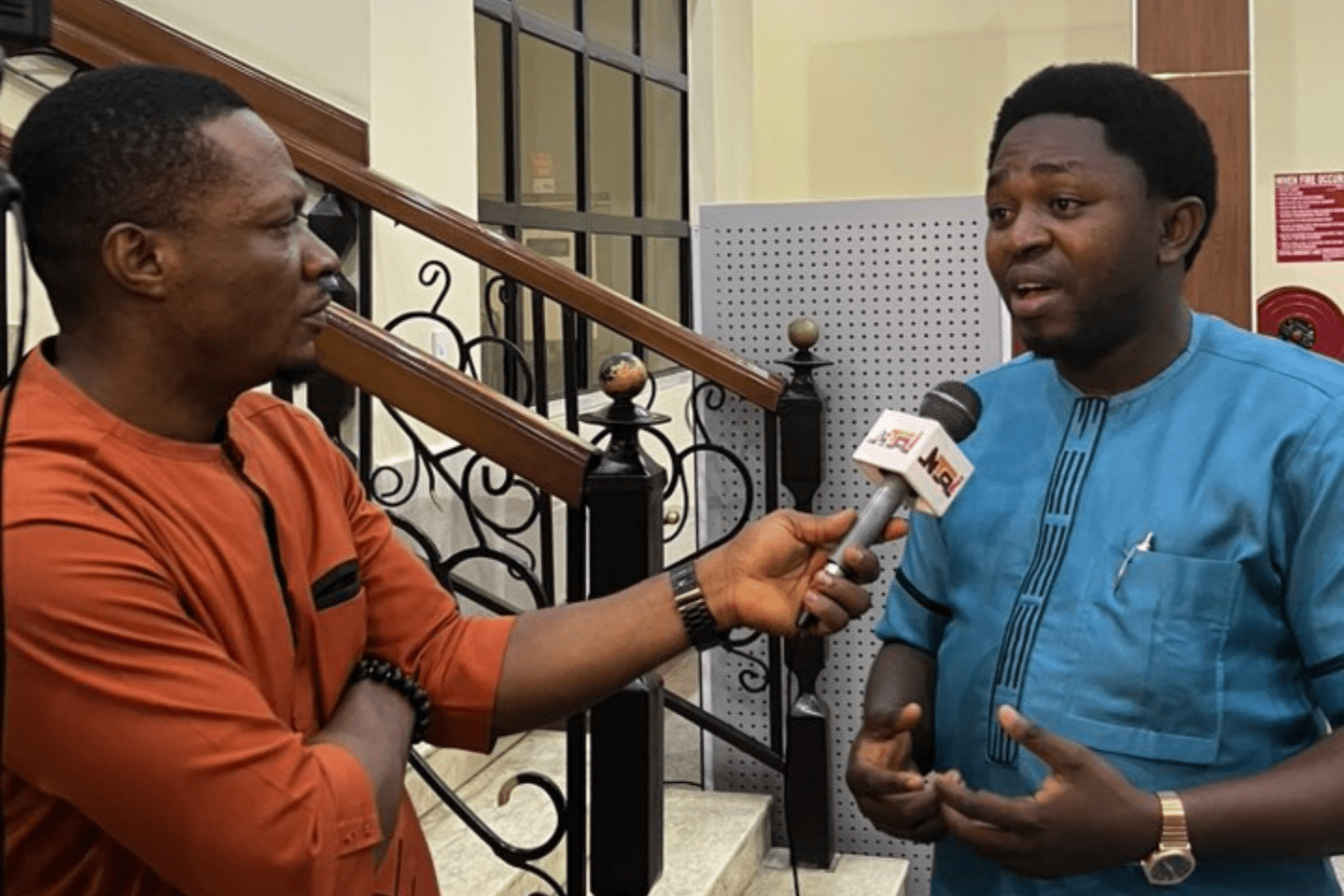
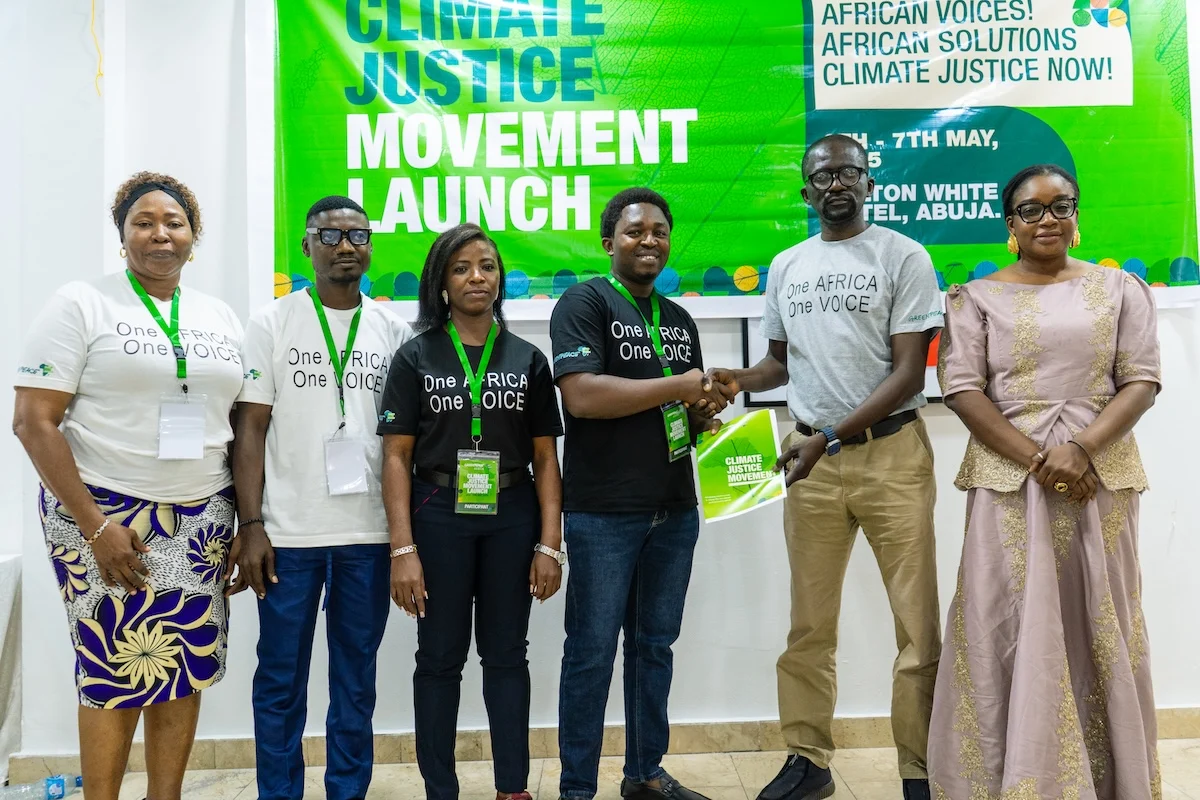
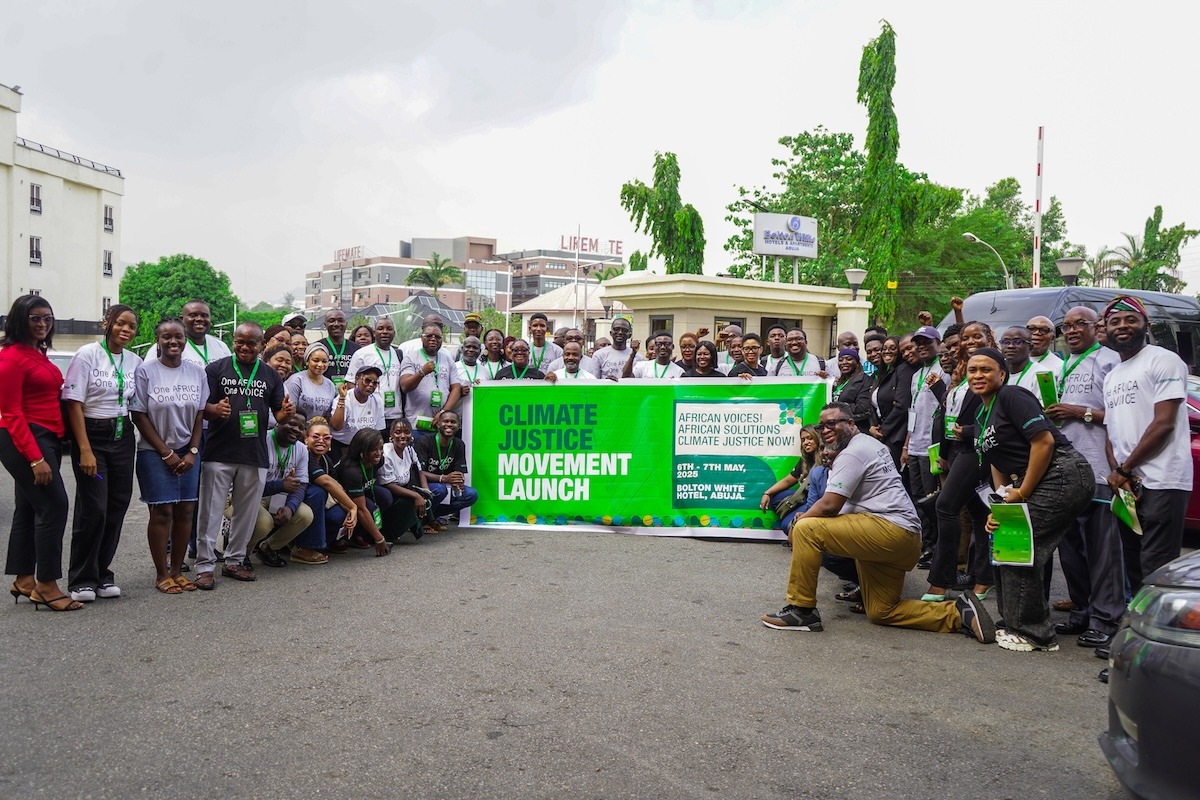



Ogunlade Olamide Martins is a climate justice campaigner, social advocate, and public policy analyst with over twelve years of experience in the civil society and development space. Originally trained as a geologist, he later transitioned into public policy and social development, earning a Master’s degree in Public Administration (Public Policy Option) from the University of Lagos. His work spans social research, baseline analysis, policy advocacy, impact assessment, environmental governance, and climate change.
He is a graduate of the Leadership and Management in Health (LMIH) programme at the University of Washington (2017) and a certified facilitator from the same institution. Earlier in his career, he served as a Watershed Consultant to the World Bank–supported Nigeria Erosion and Watershed Management Project (NEWMAP) in Ekiti State.
Olamide has also successfully managed projects supported by organisations such as UKAid (now FCDO), USAID, the Environmental Investigation Agency (EIA), the African Women’s Development Fund (AWDF), and the National Democratic Institute (NDI), among others.
His recent research applied the Intergovernmental Panel on Climate Change (IPCC) vulnerability framework to coastal communities in Lagos State, examining exposure, sensitivity, and adaptive capacity. The research also evaluated the effectiveness of Community-Based Adaptation (CBA) strategies, assessing how sustained community dialogue and institutional feedback mechanisms strengthen local adaptation efforts.
Olamide maintains a critical perspective on eco-capitalism and the corporate control of natural resources, often interrogating neoliberal policy frameworks that prioritise privatisation, market dominance, and excessive accumulation over social and environmental justice.
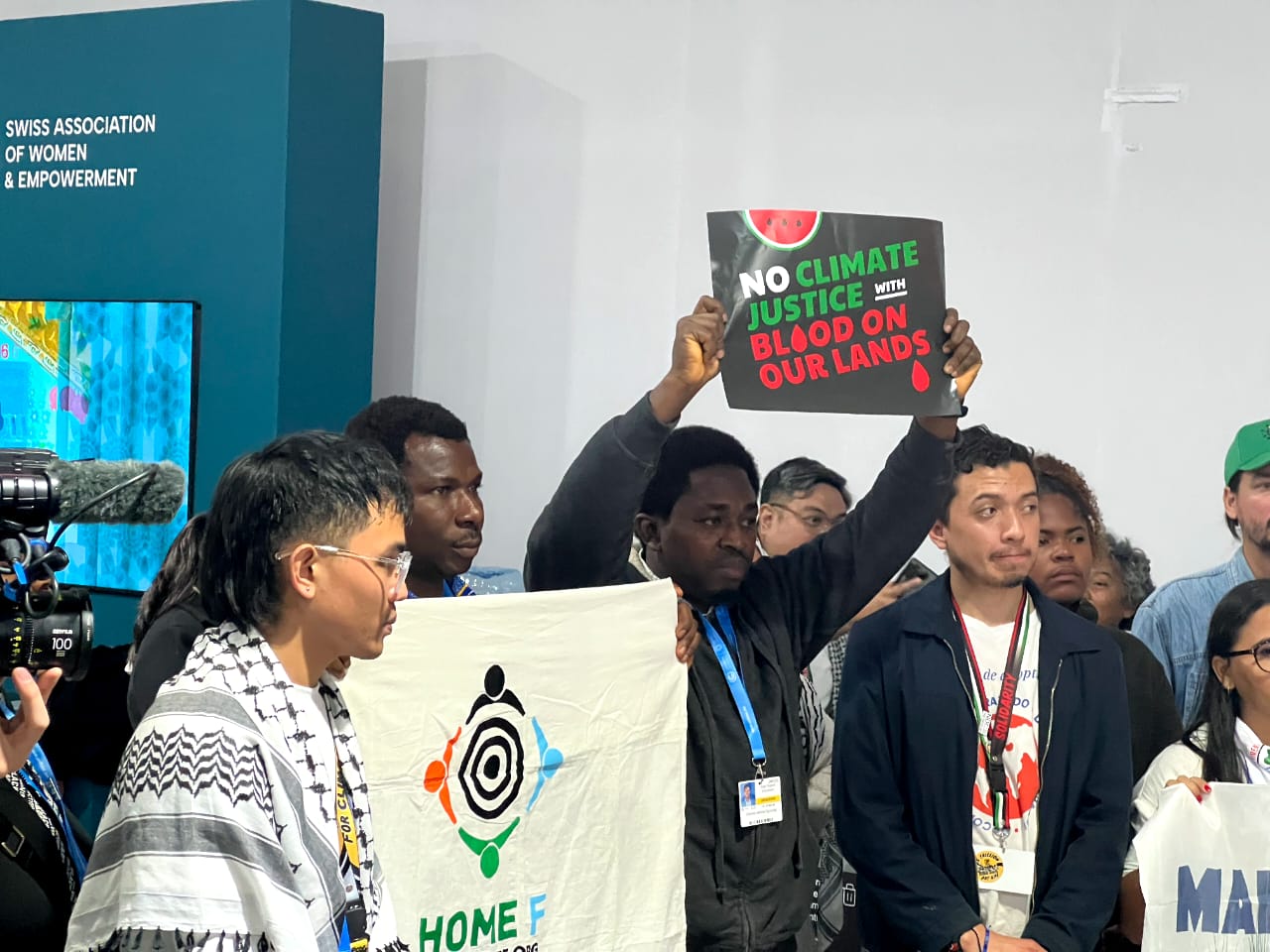
At the Corporate Accountability and Public Participation Africa (CAPPA), he currently serves as an Associate Director, leading advocacy efforts against fossil fuel corporations through the “Make Big Polluters Pay” campaign, advancing climate justice, accountability, and inclusive policy reforms that prioritise the needs and concerns of frontline communities.
Beyond his professional work, he enjoys reading about global politics and the evolving world order, listening to reflective music, and spending time with his family and friends.